Solar plant automation is reshaping the way utility-scale PV sites are managed. Instead of relying on manual patrols, delayed reports, and disconnected alarms, operators can use AI, drones, edge computing, 5G IoT, and centralized monitoring to build a faster, safer, and more intelligent field operation.
Why manual solar O&M is no longer enough
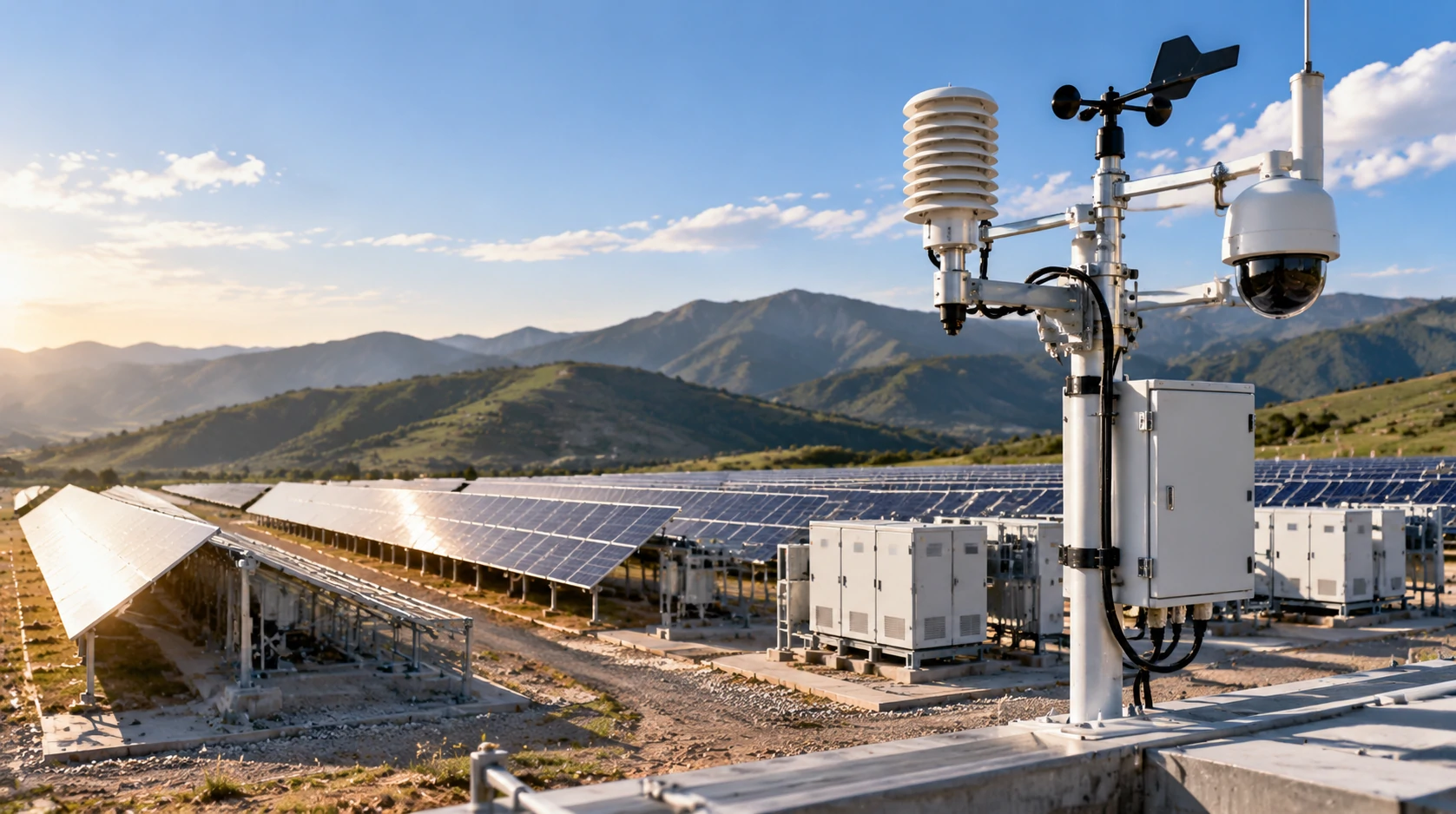
Utility-scale solar plants are becoming larger, more distributed, and more demanding to manage. A modern PV site may include thousands of modules, multiple inverter stations, combiner boxes, field cameras, weather sensors, communication devices, access roads, and a control room that has to keep every part of the plant visible.
Manual O&M still matters. Technicians are needed for verification, repair, cleaning, replacement, and safety checks. But when a solar plant covers a large area, manual patrols alone can be slow, inconsistent, and difficult to repeat with the same level of detail every time.
The bigger issue is that many solar sites still operate through scattered systems. Inverter alarms may live in one platform. Drone images may sit in another folder. Video surveillance may run separately from maintenance records. Safety incidents may be handled outside the O&M workflow. When these signals are disconnected, operators lose time trying to understand what happened and what should happen next.
Solar plant automation is not about replacing people. It is about helping O&M teams see issues earlier, prioritize the right tasks, and respond with better information.
What solar plant automation means
Solar plant automation uses connected digital systems to reduce repetitive manual work, improve real-time visibility, and support faster operational decisions. In a PV power station, this can include automated inspection, AI defect detection, smart alarms, field-side analytics, safety monitoring, drone workflows, and centralized task management.
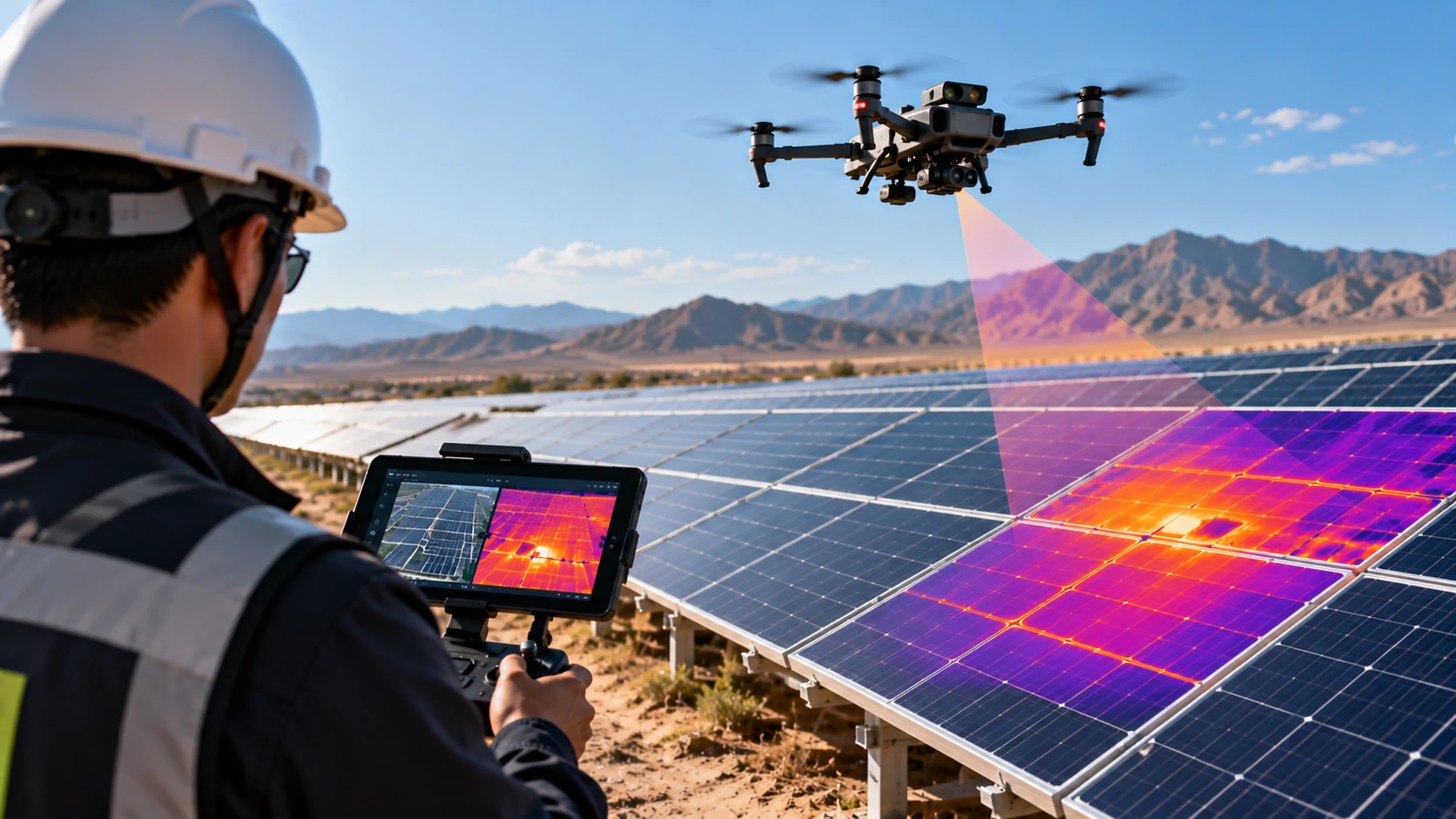
The purpose is simple: connect field data with action. A hotspot should not remain buried in a thermal image. A fire alert should not stay inside a camera system only. An inverter issue should not require engineers to compare several dashboards manually. A smart automation workflow brings these signals together and helps teams decide what needs attention first.
WThink’s solar plant automation solution supports this connected approach by combining Industrial AI, 5G IoT, edge computing, autonomous inspection, AI video analytics, and centralized O&M management for smart solar operations.
From manual O&M to intelligent field operations
The shift from manual O&M to intelligent field operations happens when monitoring, inspection, safety, and maintenance are no longer handled as separate activities. Instead, they become part of one continuous operating workflow.
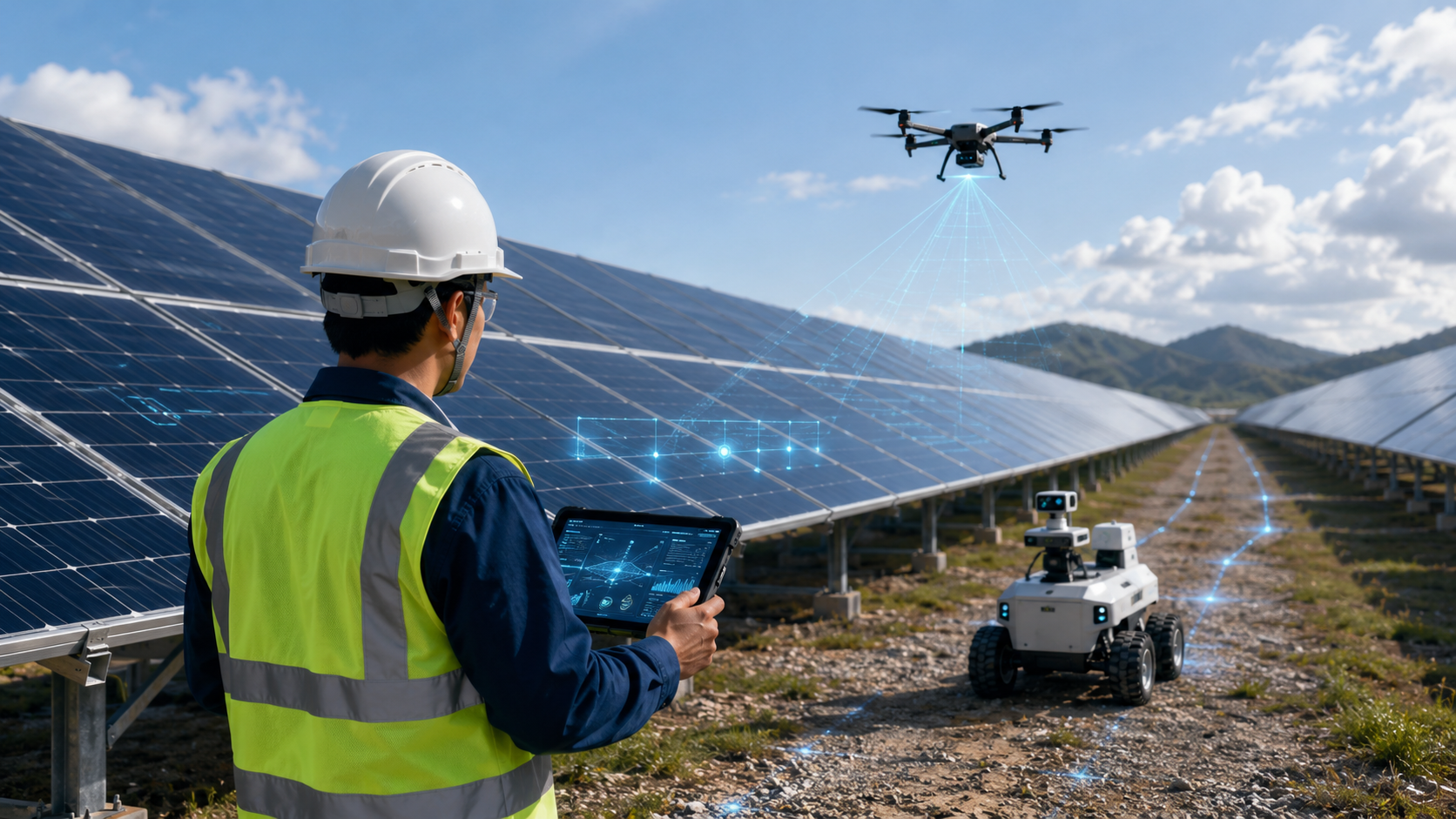
In a traditional model, a team may inspect a solar field on a fixed schedule, collect images, review problems later, prepare a report, and then assign maintenance work. In an intelligent field operation model, drones, cameras, sensors, edge devices, and AI systems help detect problems earlier, classify findings, and send actionable information to the right team more quickly.
This does not make field technicians less important. It makes their work more targeted. Instead of spending time searching across a large site, teams can focus on confirmed risks, high-priority equipment, and tasks that directly affect performance, safety, or uptime.
Core capabilities of solar plant automation
A strong automation system for utility-scale PV plants should support the full O&M cycle: monitoring, inspection, analysis, prioritization, response, and continuous improvement.
Automated PV monitoring
Tracks generation data, inverter status, field alarms, device health, weather conditions, and site activity in one connected monitoring workflow.
AI defect detection
Helps identify PV hotspots, module damage, soiling, shading, abnormal temperature patterns, and equipment risks from visual and thermal data.
Drone inspection workflows
Uses drones to collect field images and thermal data faster, then links inspection findings with asset locations and O&M tasks.
AI safety monitoring
Supports fire, smoke, intrusion, restricted-area entry, missing PPE, and abnormal activity detection across remote solar facilities.
Edge AI processing
Processes images, video, alarms, and field data closer to the site for faster preliminary alerts and shorter response delays.
O&M task automation
Turns findings into maintenance priorities, review tasks, work orders, completion records, and long-term performance insights.
How AI improves automated solar operations
AI is one of the most important drivers of solar plant automation because it helps operators process information at scale. A utility-scale PV site can generate thousands of inspection images, constant inverter data, continuous video streams, weather records, and safety alerts. Without AI, teams may spend too much time filtering information and too little time acting on the findings that matter.
AI can detect patterns that are easy to miss manually. It can flag hotspots in thermal images, identify visible module damage, recognize soiling or shading, detect smoke or flame, and surface suspicious activity around critical equipment. It can also group findings by location, severity, asset type, and likely operational impact.
AI turns solar automation from simple alarm collection into a smarter workflow for detection, triage, and decision support.
When AI is connected to monitoring and O&M systems, it helps solar operators move from reactive maintenance toward more intelligent field operations.
The role of drones in automated solar inspection
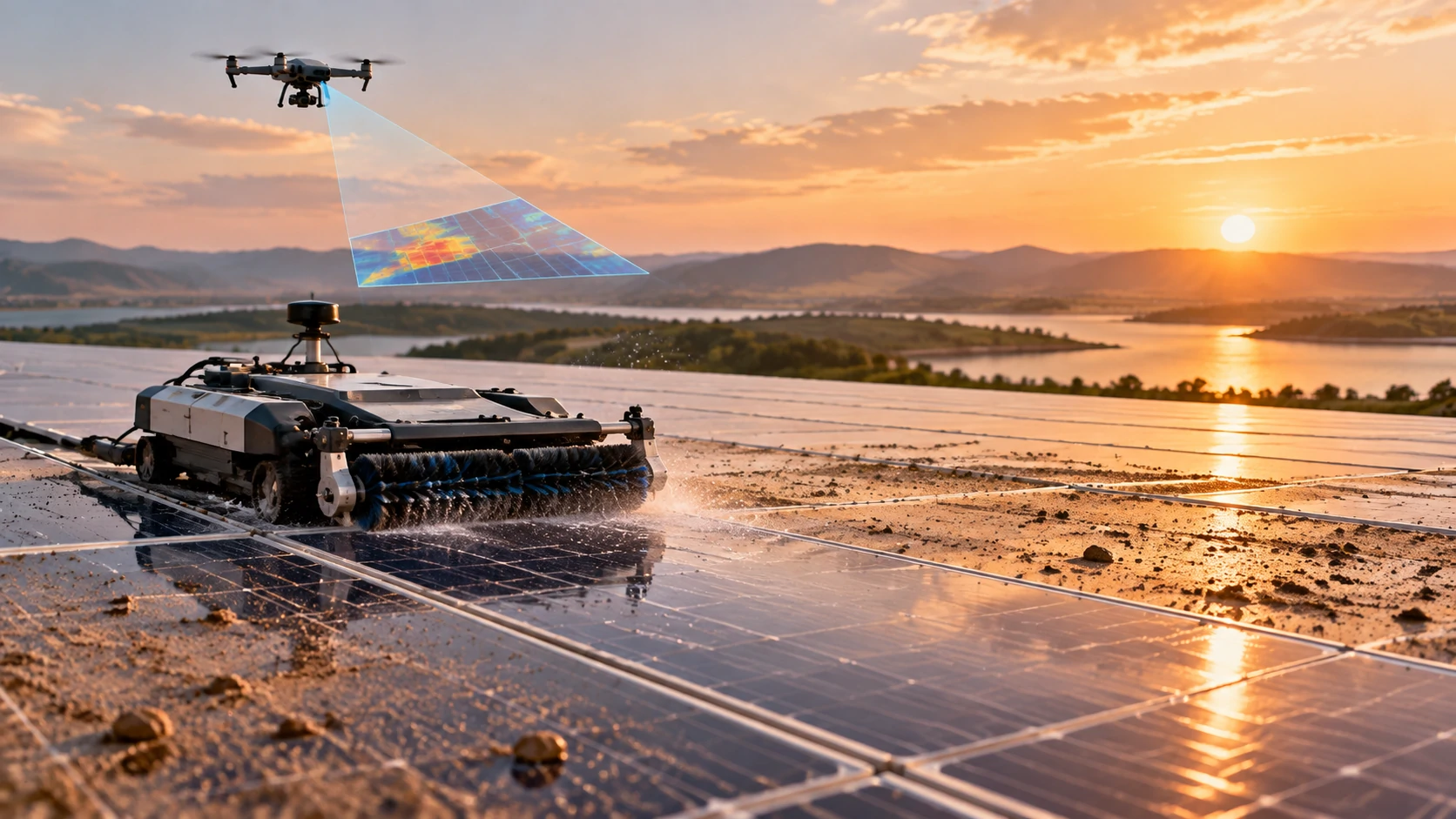
Drones make automation practical for large PV fields. They can inspect wide areas faster than manual patrols and capture visual or thermal data from repeatable angles. This supports more consistent inspection records and helps operators find defects that may not be visible from the ground.
In an automated workflow, drone data should not remain separate from the rest of the plant system. It should connect with AI analysis, field zones, asset IDs, historical records, and maintenance decisions. This is what turns inspection images into operational intelligence.
WThink’s Autonomous Inspection System supports this type of repeatable inspection workflow by connecting route planning, image capture, AI findings, reporting, and O&M decision-making.
Why edge computing and 5G IoT matter
Many solar plants are built in open, remote, or harsh environments. Network conditions may vary, and field response can take time. If every video stream, inspection image, and alarm has to be sent to the cloud before analysis begins, the workflow may become too slow for real-time operations.
Edge computing helps process data closer to the site. It can support local AI video analytics, image quality checks, fire and smoke detection, intrusion alerts, and preliminary defect recognition. 5G IoT or industrial wireless communication helps transmit device status, inspection data, telemetry, video streams, and alerts back to a centralized platform.
For solar plant automation, this cloud-edge structure is critical. Operators need fast field-side response, but they also need centralized visibility for portfolio management, O&M planning, and historical performance tracking.
Problems automation can help solve
Solar plant automation delivers the most value when it solves real operational problems. For PV operators, those problems usually include delayed detection, scattered data, heavy manual review, safety blind spots, and slow maintenance response.
Delayed fault discovery
Automated monitoring and AI inspection help operators identify hotspots, module defects, inverter issues, and field risks earlier.
Disconnected data sources
Automation connects inspection images, equipment alarms, video analytics, and maintenance records into one operating workflow.
Manual review overload
AI filters large image, video, and alarm datasets so teams can focus on high-priority findings instead of reviewing everything manually.
Slow O&M response
Automated task logic helps turn findings into assigned maintenance actions, review priorities, and completion records.
Safety monitoring gaps
AI video analytics helps detect fire, smoke, intrusion, restricted-area entry, and abnormal activity across remote PV sites.
Weak historical tracking
Automated records help operators compare inspection cycles, verify maintenance results, and understand recurring site issues.
A practical solar plant automation workflow
Bring field assets into one operating layer
PV equipment, cameras, sensors, drones, weather stations, edge AI devices, and communication systems are connected into one automation framework.
Track plant status continuously
Operators monitor generation, inverter status, field alarms, video events, device health, and site conditions from a centralized platform.
Collect visual and thermal data
Drones and cameras capture field images, thermal data, equipment views, module conditions, and site activity for AI-assisted analysis.
Use AI to identify risks
AI helps detect hotspots, module damage, soiling, shading, inverter-related issues, fire risk, intrusion, and abnormal field activity.
Turn findings into O&M tasks
Findings are organized by location, severity, asset type, safety risk, generation impact, and recommended maintenance priority.
Track outcomes and optimize operations
Historical inspection and maintenance data help operators verify results, reduce repeat issues, and improve future O&M planning.
Benefits for solar plant owners and operators
Faster issue detection
Automation helps operators identify equipment faults, module defects, and site risks before they turn into larger operational problems.
Lower manual workload
Drones, AI analytics, and automated monitoring reduce the need for broad manual screening across large PV fields.
Smarter maintenance planning
O&M teams can prioritize work based on severity, location, generation impact, safety risk, and asset history.
Better field visibility
Operators can view generation data, inspection findings, video events, and equipment status in a more connected way.
Improved site safety
AI video analytics helps detect fire, smoke, intrusion, restricted-area entry, and abnormal activity across remote solar plants.
Stronger asset management
Historical data helps owners compare inspection cycles, track recurring issues, and verify maintenance effectiveness over time.
What operators should consider before deployment
Solar plant automation should begin with clear operational goals. Operators should decide whether the priority is faster inspection, better power generation visibility, fire prevention, safety monitoring, security response, inverter fault analysis, cleaning optimization, or multi-site management.
Data integration is also critical. A useful automation system should not become another isolated dashboard. It should connect with existing PV equipment, field devices, inspection workflows, monitoring systems, and maintenance processes.
Operators should also evaluate network coverage, edge computing needs, cybersecurity, device compatibility, AI review rules, and how automated findings will move into real O&M tasks.
Where WThink fits in
WThink supports solar plant automation through Industrial AI, 5G IoT, edge computing, autonomous inspection, AI video analytics, and centralized software platforms. These capabilities help PV operators connect field data, detect risks, automate inspection workflows, and manage solar assets more intelligently.
By connecting drones, cameras, sensors, edge AI devices, communication modules, and software platforms, WThink helps operators move from manual solar plant management toward intelligent field operations.
Solar plant automation helps PV operators move from manual O&M to intelligent field operations by connecting monitoring, inspection, AI analysis, safety alerts, edge computing, 5G IoT, and maintenance workflows. For utility-scale solar plants, this means faster issue detection, lower manual workload, smarter task prioritization, better site safety, and stronger long-term asset visibility. As PV plants become larger and more distributed, automation will become a core part of reliable and efficient solar operations.
Frequently asked questions
What is solar plant automation?
Solar plant automation uses connected systems such as AI, drones, edge computing, 5G IoT, sensors, cameras, and monitoring platforms to improve PV inspection, safety, maintenance, and O&M workflows.
How does automation improve solar O&M?
Automation helps operators detect problems earlier, reduce manual review, prioritize maintenance tasks, monitor site safety, and connect inspection data with operational decisions.
Why are drones important for solar plant automation?
Drones can inspect large PV fields quickly and capture visual or thermal data that AI systems can use to detect hotspots, module defects, soiling, shading, and field-level risks.
What role does edge AI play in automated solar operations?
Edge AI processes data closer to the solar field, helping support faster alerts, preliminary defect detection, AI video analytics, and local event filtering.
Does solar plant automation replace O&M teams?
No. Automation supports O&M teams by improving visibility, triage, and maintenance planning. Human teams still verify findings, perform repairs, and make final operational decisions.