WThink helps photovoltaic operators improve solar power plant reliability through smart field stations that integrate sensors, edge computing, communication networks, and intelligent monitoring capabilities for faster data collection, earlier risk detection, and smarter O&M decisions.
Why solar power plant reliability needs smarter monitoring
Modern photovoltaic power plants are becoming larger, more distributed, and more complex to manage. A utility-scale solar plant may include thousands of PV modules, inverter stations, combiner boxes, environmental monitoring devices, communication systems, and electrical equipment spread across extensive areas.
Although photovoltaic systems have fewer moving components compared with traditional power generation equipment, reliable operation still depends on continuous monitoring, accurate data collection, and rapid response to abnormal conditions.
Equipment aging, environmental changes, communication failures, temperature variations, and performance degradation can gradually reduce plant efficiency. However, many issues may not immediately trigger critical alarms, making early detection difficult through traditional monitoring methods.
Smart field stations create a connection between physical PV assets and digital management platforms, helping operators transform field data into actionable operational insights.
What is a smart field station?
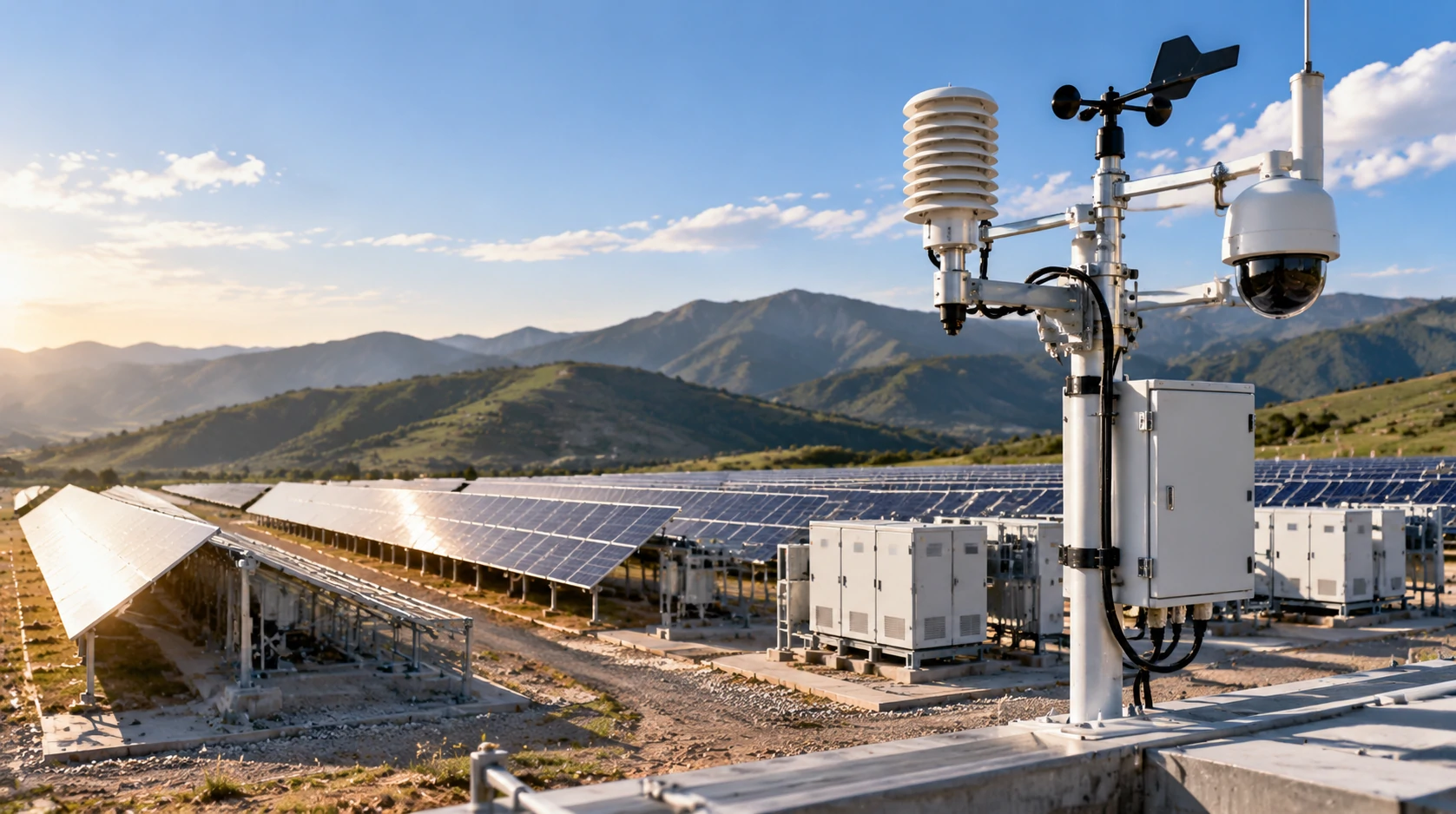
A smart field station is an intelligent onsite monitoring unit designed to collect, process, and transmit operational information from photovoltaic assets.
Unlike traditional data collection devices that mainly transfer information, smart field stations combine sensing technologies, communication capabilities, and edge computing functions to support real-time analysis at the solar site.
By acting as an intelligent bridge between field equipment and centralized platforms, smart field stations improve visibility, reduce response time, and support more efficient solar O&M management.
Field data collection
Collects information from sensors, inverters, electrical equipment, environmental systems, and monitoring devices.
Edge intelligence
Processes operational data closer to the PV site for faster analysis and more efficient decision-making.
How smart field stations improve PV reliability
Solar reliability depends on understanding what is happening across the entire plant. Smart field stations provide continuous information from distributed equipment and help operators identify changes before they become major problems.
By integrating sensors, communication systems, and intelligent processing capabilities, smart field stations support real-time monitoring, predictive maintenance, and improved asset management.
The result is a shift from reactive maintenance toward proactive operation, where potential risks can be identified earlier and maintenance activities can be planned more effectively.
Key capabilities of smart solar field stations
Multi-device integration
Smart field stations connect different sensors, monitoring devices, and photovoltaic equipment into a unified field-level management system.
Real-time data acquisition
Continuous data collection improves visibility into equipment status, environmental conditions, and plant operating performance.
Edge computing analysis
Local data processing enables faster event detection, reduces communication pressure, and improves response efficiency.
Centralized O&M integration
Field information can be connected with solar monitoring platforms, SCADA systems, and intelligent maintenance workflows.
Smart field station workflow
Gather field operating data
Sensors, equipment interfaces, and monitoring devices collect information from PV assets, electrical systems, and environmental conditions.
Analyze information at the edge
Edge computing analyzes local data, identifies abnormal patterns, and provides faster responses without relying entirely on centralized systems.
Transmit data through reliable networks
Processed information is transferred through fiber, industrial Ethernet, wireless communication, or 4G/5G networks to management platforms.
Improve solar O&M decisions
Operators use real-time insights and historical data to optimize inspections, maintenance schedules, and asset management strategies.
The role of edge computing in solar reliability
Large photovoltaic plants generate significant amounts of operational data every day. Traditional monitoring systems often transfer all information directly to centralized platforms, which may increase communication pressure and delay responses.
Edge computing changes this approach by allowing smart field stations to analyze important information closer to the source. This enables faster identification of abnormal conditions and improves operational efficiency.
For example, if a field station detects unusual equipment temperature, communication interruption, or abnormal operating parameters, local processing can immediately generate warnings and support faster response actions.
By combining edge intelligence with centralized management platforms, solar operators can achieve both rapid local response and comprehensive plant-level visibility.
Communication reliability for remote solar plants
Many large-scale photovoltaic projects are located in remote areas such as deserts, mountains, and open fields. In these environments, stable communication is essential for continuous operation monitoring.
Smart field stations support flexible communication architectures based on project requirements, including fiber networks, industrial communication systems, wireless links, and cellular networks such as 4G and 5G.
Reliable communication ensures that operational data, alarms, video resources, and equipment information can be delivered to centralized platforms without interruption.
A reliable solar monitoring system requires not only intelligent analysis but also stable communication between field assets and management platforms.
Benefits of smart field stations for solar operators
Improved plant visibility
Operators gain a clearer understanding of equipment conditions, environmental factors, and operational performance across the entire PV site.
Earlier risk detection
Continuous monitoring and edge analysis help identify abnormal conditions before they develop into major operational problems.
Reduced maintenance workload
Intelligent monitoring reduces unnecessary manual inspections and helps maintenance teams focus on higher-value tasks.
Smarter asset management
Historical operating data supports predictive maintenance, performance evaluation, and long-term PV asset optimization.
The future of intelligent solar power management
As global photovoltaic capacity continues to expand, solar operators need more advanced methods to manage increasingly complex energy assets.
Future solar power plants will rely on deeper integration between smart field stations, AI analytics, edge computing, autonomous inspection, and digital management platforms.
These technologies will help operators improve reliability, reduce operational risks, and maximize renewable energy production throughout the entire PV lifecycle.
WThink provides intelligent renewable energy solutions that combine smart monitoring, AI technologies, communication systems, and digital platforms to support modern photovoltaic operations.
Smart field stations provide an intelligent foundation for improving solar power plant reliability. By integrating sensors, edge computing, communication networks, and centralized monitoring platforms, WThink helps photovoltaic operators detect risks earlier, improve O&M efficiency, and build smarter renewable energy management systems.
Frequently asked questions
What is a smart field station in a solar power plant?
A smart field station is an intelligent onsite monitoring unit that collects, processes, and transmits operational data from photovoltaic equipment, sensors, and field devices.
How do smart field stations improve solar plant reliability?
Smart field stations improve reliability by providing real-time monitoring, edge data processing, early warning capabilities, and better visibility into PV asset conditions.
Why is edge computing important for solar O&M?
Edge computing allows data to be analyzed closer to the solar site, reducing response delays and enabling faster detection of abnormal operating conditions.
Can smart field stations work in remote solar plants?
Yes. Smart field stations can support different communication methods, including fiber, wireless networks, and 4G/5G connections, making them suitable for remote PV sites.
What data can smart field stations collect?
Smart field stations can collect equipment status, environmental conditions, alarms, sensor information, video resources, and other operational data required for solar plant management.