Solar Panel Cleaning and Soiling Detection Using AI Vision Systems
Solar photovoltaic plants operate outdoors under constantly changing environmental conditions. Over time, dust, sand, bird droppings, pollution particles, and other surface contaminants can accumulate on solar modules and reduce their ability to receive sunlight efficiently.
For utility-scale solar farms, even a small reduction in module performance can result in significant energy losses because thousands of panels are affected simultaneously.
Traditional solar cleaning strategies often rely on fixed schedules or manual inspections. However, cleaning too frequently increases operational costs, while cleaning too late allows unnecessary power losses to continue.
AI vision systems provide a smarter approach by detecting solar panel soiling conditions, evaluating contamination levels, and supporting data-driven cleaning decisions. By combining cameras, AI algorithms, drone inspection, and PV performance data, operators can improve cleaning efficiency and optimize solar O&M strategies. Nature
Why Solar Panel Soiling Matters
Solar modules are designed to convert sunlight into electricity. When dust or other contaminants accumulate on the surface, they create a physical barrier that reduces solar radiation reaching the photovoltaic cells.
Common types of solar panel soiling include:
Dust Accumulation
Fine airborne dust gradually settles on module surfaces and reduces the amount of sunlight reaching photovoltaic cells.
Sand Deposition
Wind-blown sand can accumulate on solar panels, particularly in dry and desert environments.
Bird Droppings
Localized surface contamination can affect individual areas of a module and create uneven soiling conditions.
Industrial Pollution
Pollution particles and airborne residues can settle on solar module surfaces over time.
Organic Materials
Organic contaminants can accumulate on exposed module surfaces and affect their cleanliness.
Environmental Debris
Other environmental debris can contribute to surface contamination under changing outdoor conditions.
Factors Affecting Soiling Impact
The impact of soiling depends on:
- Local climate conditions
- Rainfall frequency
- Wind environment
- Installation location
- Cleaning frequency
- Surface characteristics of modules
In dry and desert regions, dust accumulation can become a major operational challenge. In these environments, regular cleaning may be required to maintain expected energy output.
However, traditional cleaning schedules often cannot accurately determine the actual contamination condition of every PV section.
AI-based soiling detection helps operators move from fixed cleaning plans toward condition-based maintenance. ScienceDirect
What Is AI-Based Solar Soiling Detection?
AI solar soiling detection uses computer vision, machine learning, and operational data analysis to identify contamination conditions on photovoltaic modules.
A typical AI vision system collects information from:
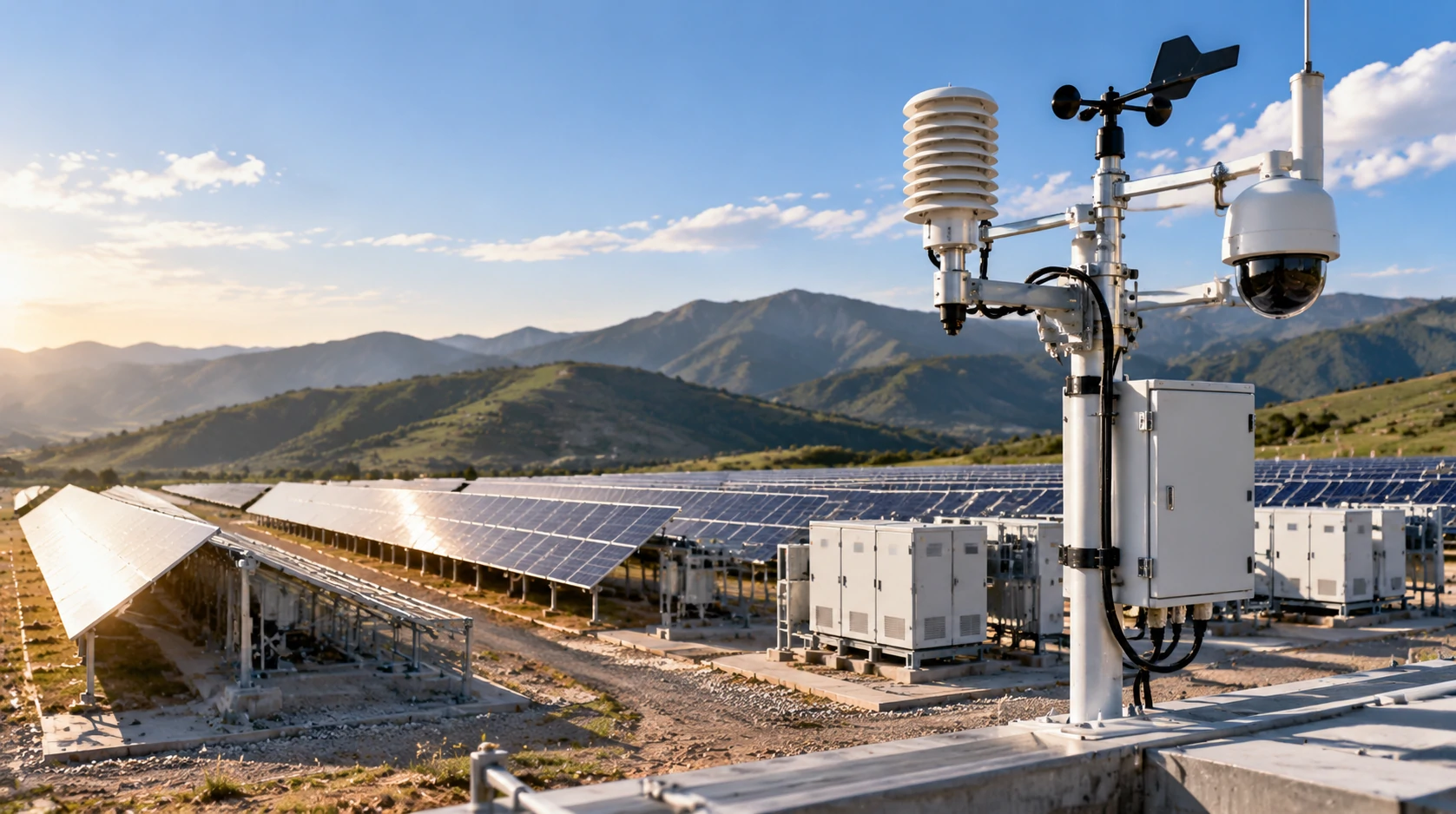
Fixed Monitoring Cameras
Capture images of solar modules for ongoing surface condition monitoring.
Drone Inspection Images
Provide visual information across large solar fields and distributed PV sections.
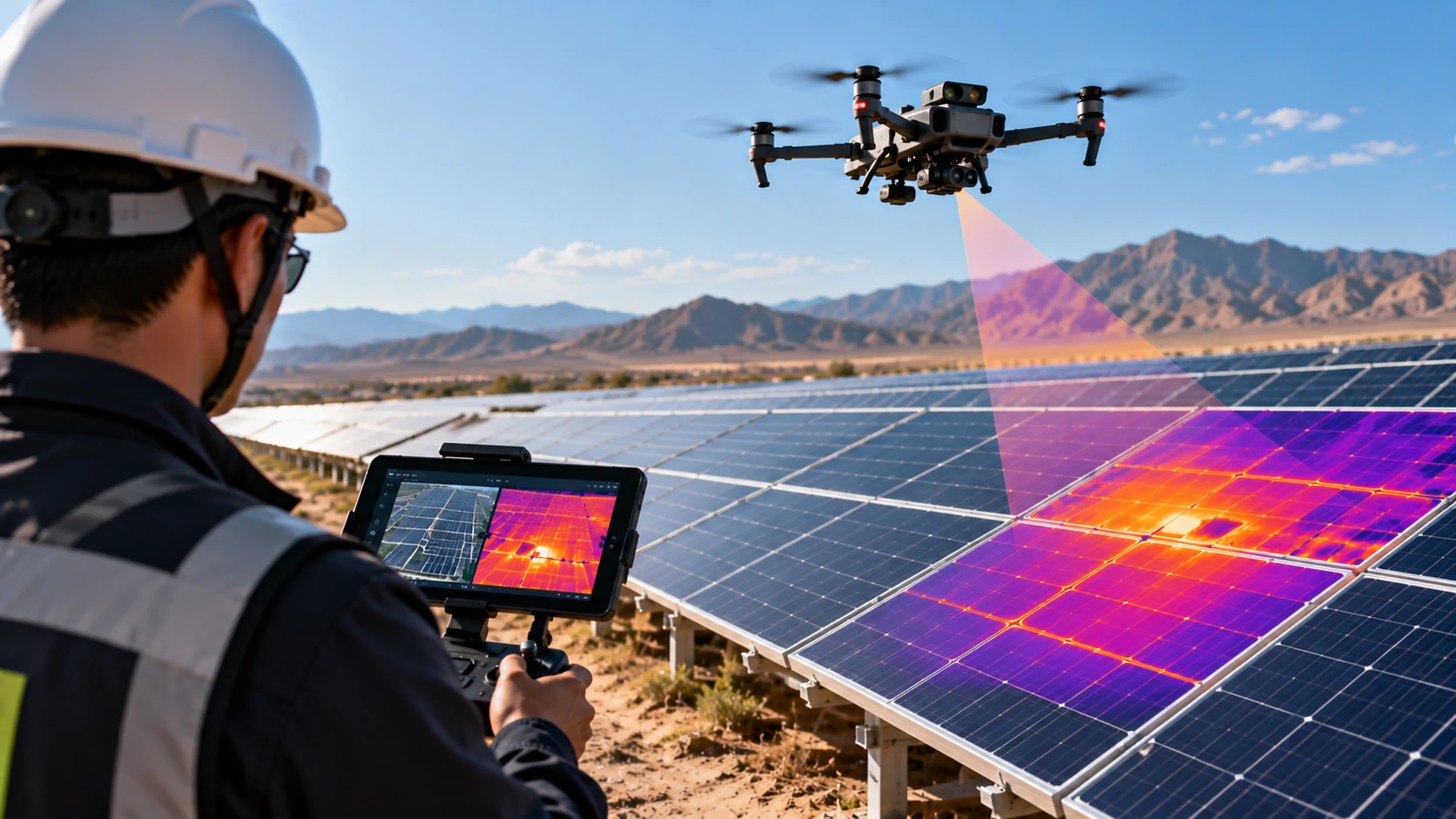
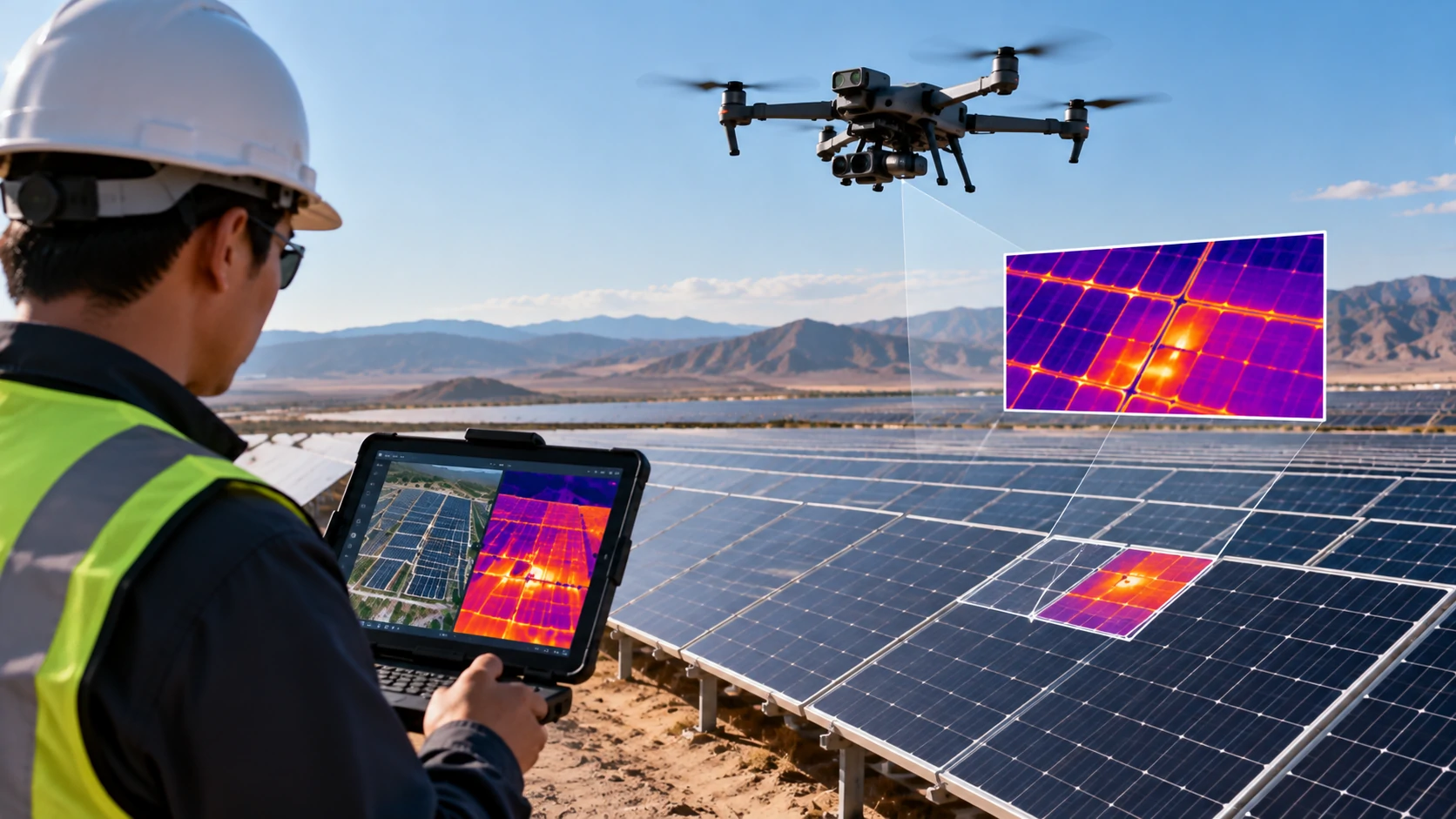
Thermal Cameras
Provide thermal information that can complement visual inspection data.
PV Output Data
Help operators evaluate solar generation performance alongside visual conditions.
Weather Sensors
Provide environmental information for interpreting PV operating conditions.
Historical Cleaning Records
Support analysis of previous cleaning activities and changing soiling conditions.
The system analyzes image features and operational patterns to determine:
- Whether modules require cleaning
- The severity of contamination
- Which areas are most affected
- How cleaning activities should be prioritized
Unlike traditional monitoring methods that only observe power reduction after losses occur, AI vision systems aim to detect surface conditions before significant generation losses develop.
How AI Vision Systems Detect Solar Panel Soiling
AI vision systems combine image analysis, drone inspection, and PV performance information to evaluate solar panel surface conditions.
Image-Based Surface Analysis
AI vision systems analyze images captured from solar modules and identify visual differences between clean and contaminated surfaces.
Computer vision algorithms can recognize:
- Dust coverage
- Dirt accumulation
- Bird droppings
- Surface abnormalities
- Uneven contamination patterns
Through trained AI models, the system learns the visual characteristics associated with different soiling conditions.
Recent research has demonstrated that computer vision and machine learning approaches can support automated dust detection and cleaning decisions by combining image information with PV performance data. Nature
Drone-Based Solar Inspection
Large-scale solar farms may contain hundreds of thousands of modules distributed across wide areas.
Manual inspection of every panel is time-consuming and difficult.
Drone inspection improves efficiency by collecting:
- High-resolution RGB images
- Thermal images
- GPS positioning information
- Large-area inspection data
AI algorithms can then analyze collected images to identify contamination patterns and locate affected areas.
This approach allows operators to quickly understand where cleaning resources should be deployed.
Combining Vision Data with PV Performance
Image analysis alone may not fully represent the impact of soiling on energy production.
Smart solar O&M platforms combine visual information with operational data, including:
- Power output
- Irradiance conditions
- Temperature information
- Historical generation trends
For example, if a PV section shows visible contamination while producing lower-than-expected output under similar weather conditions, the system can provide stronger evidence that cleaning may improve performance.
Smart Solar Cleaning Workflow
A smart solar cleaning workflow connects image collection, AI analysis, contamination evaluation, and maintenance planning into a coordinated process.
Collect Solar Panel Images
Cameras or drones collect visual and thermal images from PV modules across the solar plant.
Process Images with AI Models
AI algorithms analyze image features and identify dust accumulation, contamination patterns, and abnormal surface conditions.
Assess Cleaning Requirements
The system evaluates contamination severity together with PV performance data to determine whether cleaning is necessary.
Create Intelligent Cleaning Plans
Operators use AI insights to schedule cleaning activities according to actual plant conditions instead of fixed intervals.
Key Capabilities of AI Solar Cleaning Systems
Automated Soiling Detection
AI models identify dust and contamination conditions from images, reducing dependence on manual inspection.
Cleaning Schedule Optimization
Instead of cleaning all modules according to a fixed calendar, operators can prioritize areas where cleaning provides the greatest benefit.
Large-Scale PV Monitoring
AI vision systems can analyze large volumes of inspection data across multiple solar sites.
Integration with Smart O&M Platforms
Soiling information can be combined with:
- PV monitoring systems
- Drone inspection platforms
- Maintenance management systems
- Asset performance analytics
to create a complete solar operation workflow.
Benefits of AI-Based Solar Panel Cleaning Optimization
Improved Energy Efficiency
Early detection of soiling helps reduce energy losses caused by surface contamination.
Lower Cleaning Costs
Condition-based cleaning avoids unnecessary maintenance activities and improves resource allocation.
Faster Inspection
AI and drone technologies allow operators to evaluate large solar areas more efficiently.
Better Maintenance Decisions
Data-driven analysis helps teams determine when, where, and how cleaning should be performed.
Improved Asset Management
Historical soiling data helps operators understand environmental impacts and optimize long-term PV performance.
The Future of AI-Powered Solar O&M
As photovoltaic plants continue to expand, solar operators require more intelligent ways to manage maintenance activities.
Future solar O&M systems will combine:
AI Vision Inspection
Autonomous Drones
Edge Computing
Real-Time Monitoring
Predictive Analytics
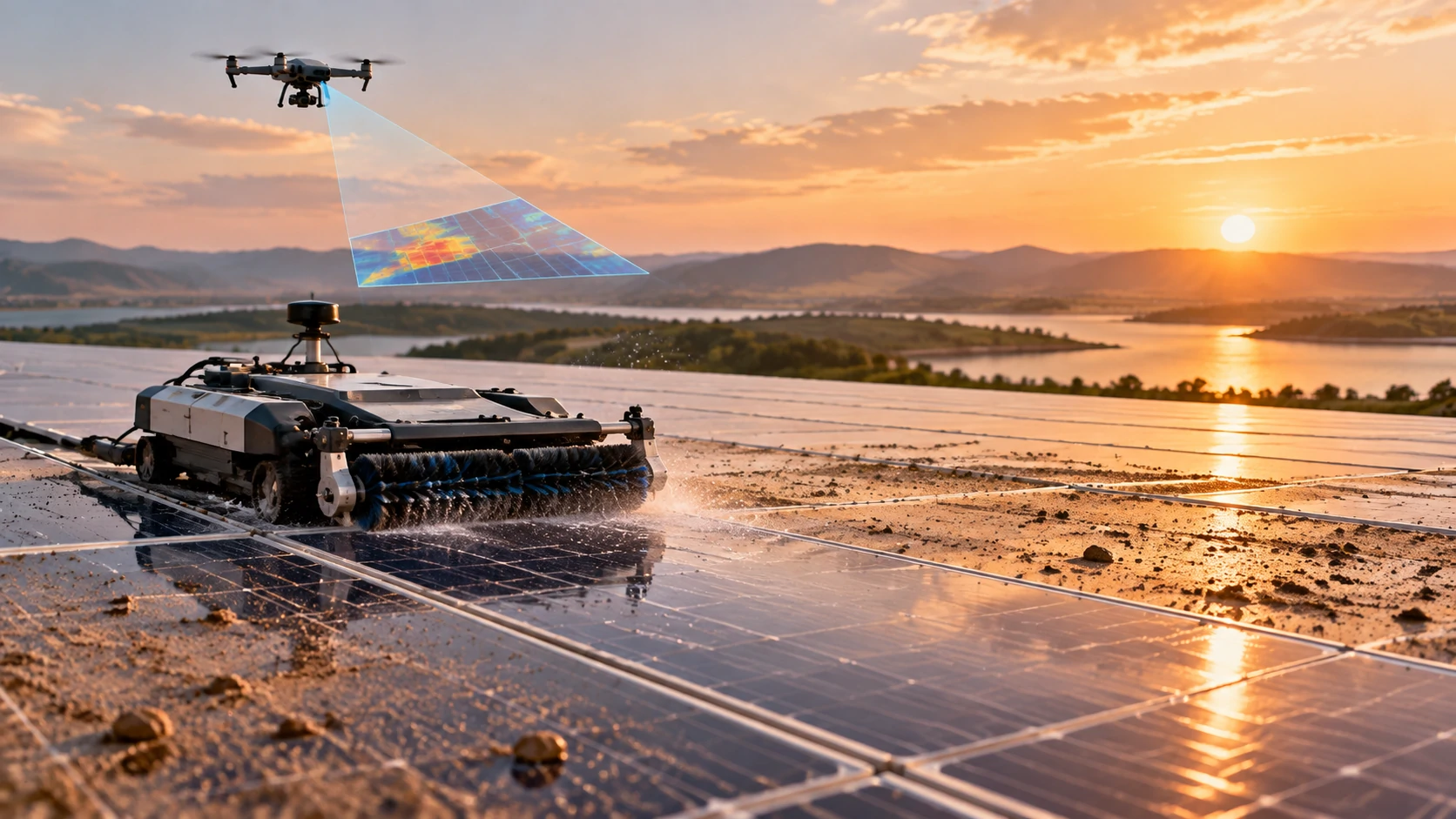
Automated Cleaning Systems
These technologies will allow PV operators to move from scheduled maintenance toward predictive and condition-based operations.
By connecting visual information with energy performance data, AI systems can help maximize generation efficiency while reducing unnecessary maintenance costs.
Conclusion
Solar panel cleaning and soiling detection using AI vision systems provide a smarter approach for modern photovoltaic maintenance.
By combining computer vision, drone inspection, operational data analysis, and intelligent O&M platforms, operators can detect contamination earlier, optimize cleaning schedules, and improve solar power generation efficiency.
WThink provides intelligent renewable energy solutions that integrate AI analytics, smart monitoring, and digital management technologies to support safer, more efficient, and smarter photovoltaic operations.