Utility-scale solar farms can contain thousands or even millions of photovoltaic modules spread across large areas. Keeping every module operating efficiently is therefore a major challenge for operations and maintenance teams.
Traditional inspections often rely on manual visual checks, sample testing, and equipment alarms. While these methods remain useful, they may not identify every defect quickly, especially when a module continues producing power despite a gradual decline in performance.
AI-based PV inspection provides a more scalable approach. By combining drone imagery, thermal imaging, computer vision, and operational data, AI can help identify abnormal modules, locate potential defects, and prioritize follow-up inspections.
Why PV Module Defect Detection Matters
PV modules are exposed to sunlight, rain, dust, temperature changes, wind, and other environmental conditions throughout their operating life.
Common problems can include:
- Hot spots
- Cracked cells
- Broken or damaged modules
- Delamination
- Discoloration
- Bypass diode problems
- Connector or wiring abnormalities
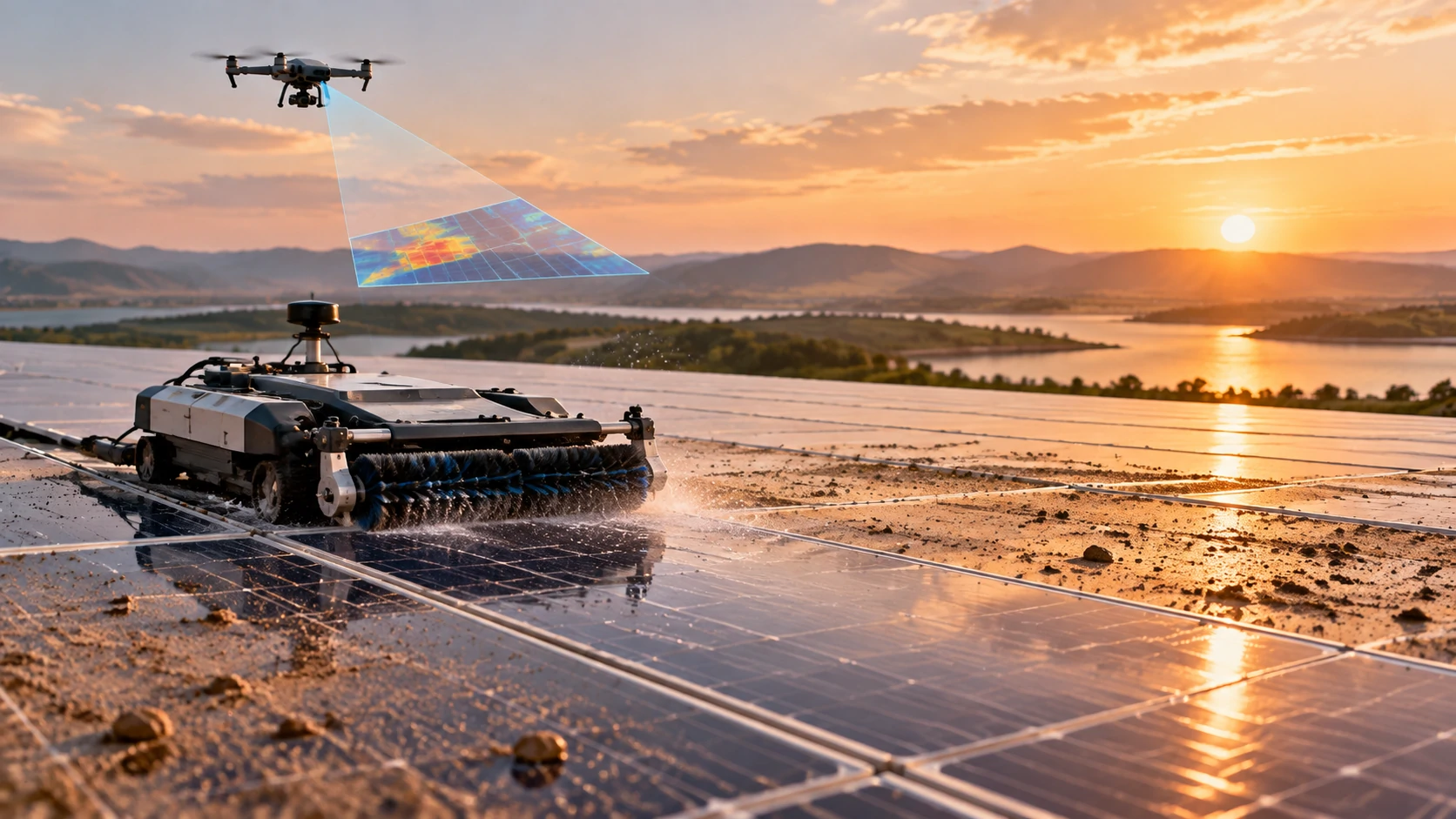
- Severe soiling
Some defects are visible in standard photographs, while others are easier to identify through thermal imaging.
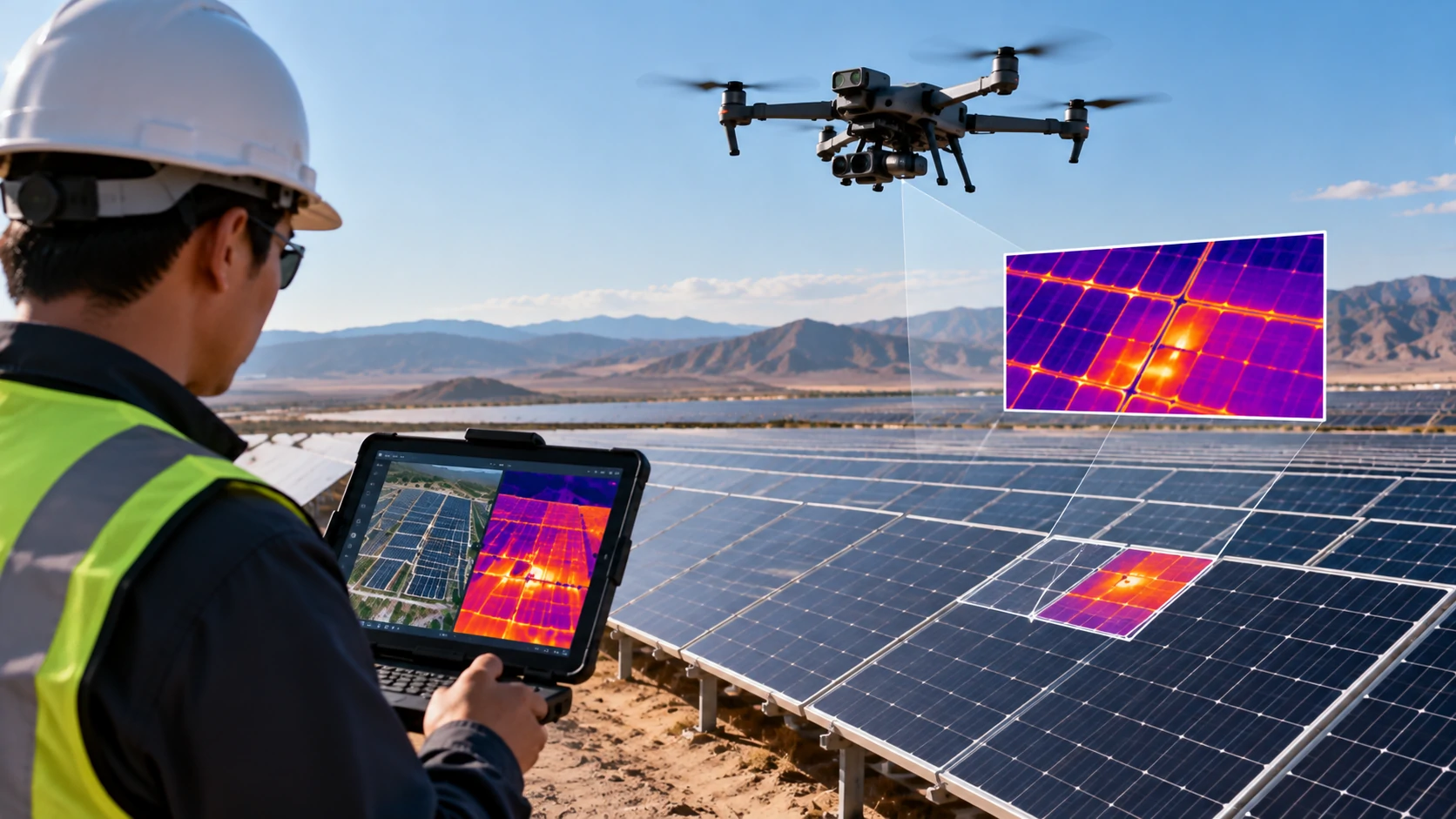
For example, a hot spot may indicate abnormal electrical behavior that is not obvious from a normal visual inspection. Detecting these conditions early can help operators investigate the affected area before the issue develops into a larger performance or reliability problem.
How AI Detects PV Module Defects
AI-based inspection generally combines several types of information rather than relying on a single image.
Drone Image Collection
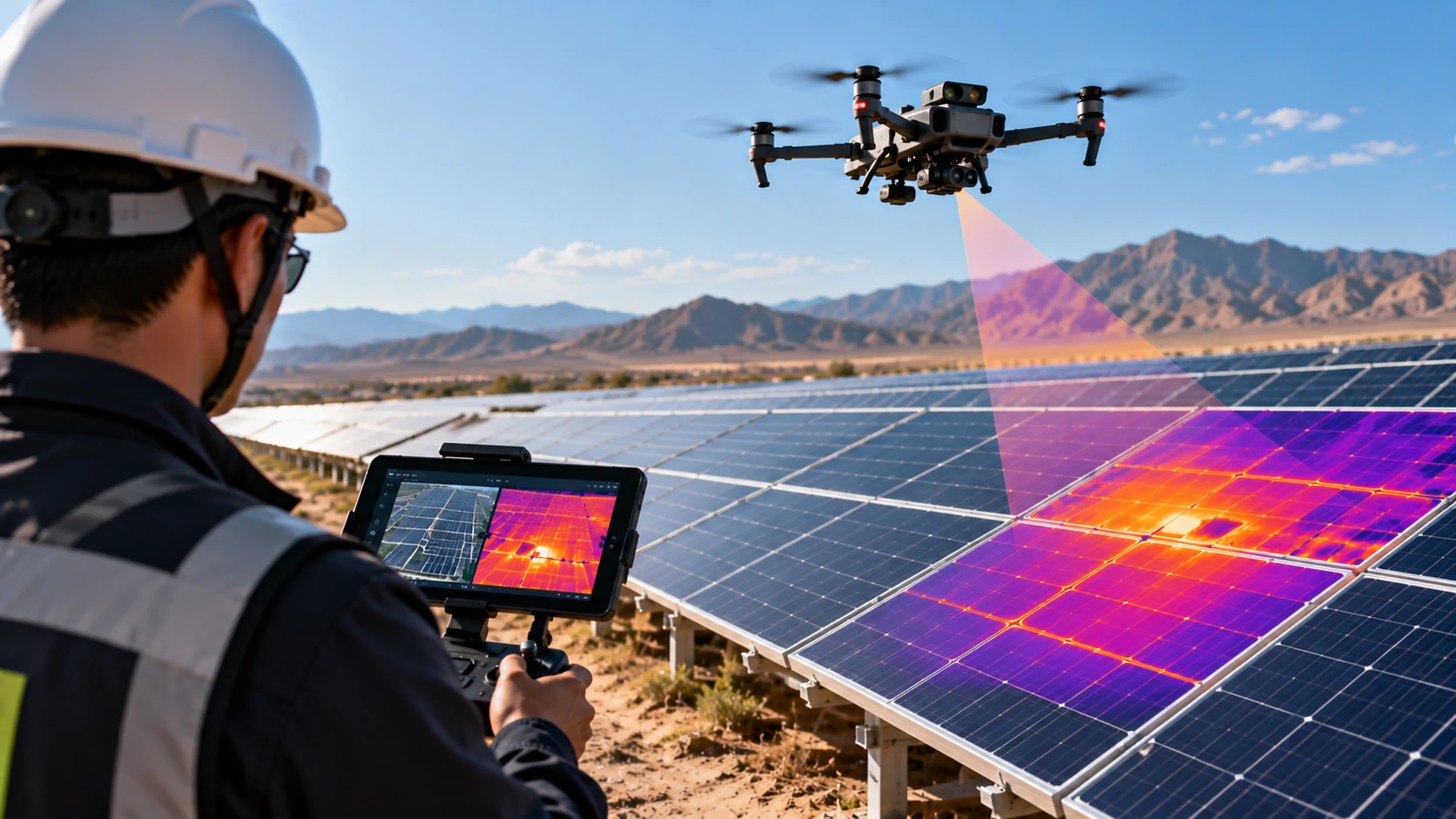
Industrial drones can systematically fly over large solar fields and capture high-resolution RGB and thermal images.
Compared with manual inspection, drones can cover large areas more efficiently and provide consistent image data for subsequent analysis.
Thermal Imaging
Thermal cameras measure infrared radiation and visualize temperature differences across PV modules.
AI can analyze these thermal patterns to identify abnormal temperature distributions, including potential hot spots or other irregular conditions.
Thermal imaging does not automatically prove that a module is defective. Instead, it provides an important screening signal that maintenance teams can investigate together with other operational information.
Computer Vision Analysis
AI computer vision models process large numbers of images and identify visual patterns associated with potential defects.
The system can classify or flag conditions such as:
- Cracks and visible damage
- Discoloration
- Surface abnormalities
- Module deformation
- Thermal anomalies
This reduces the amount of image data that technicians need to review manually.
Performance Comparison
AI can also compare module or string performance with historical data and similar equipment.
If one section consistently produces less power than comparable sections under similar conditions, the deviation may indicate a problem requiring further inspection.
From Detection to Maintenance Decisions
The value of AI is not simply finding an abnormal image. The inspection results need to support practical O&M decisions.
Drone and sensor data are collected first. AI then identifies potential anomalies and associates them with specific locations. Operators can review the evidence, assess severity, and determine whether further field inspection or maintenance is required.
This approach helps maintenance teams focus on high-priority issues instead of manually reviewing every module.
Benefits of AI-Based PV Inspection
Faster Large-Scale Inspection
Drones and automated image analysis can process large solar fields more efficiently than purely manual inspection.
Earlier Defect Detection
AI can identify visual and thermal anomalies that may otherwise remain unnoticed during routine monitoring.
Reduced Manual Workload
Automated screening allows technicians to spend more time on verification and maintenance rather than reviewing large volumes of images.
More Consistent Inspection
Standardized image collection and AI-assisted analysis can create more consistent inspection records across different solar sites and inspection cycles.
Better O&M Prioritization
Defect location, inspection evidence, and operational data can help maintenance teams determine which issues require attention first.
The Future of AI-Powered Solar Inspection
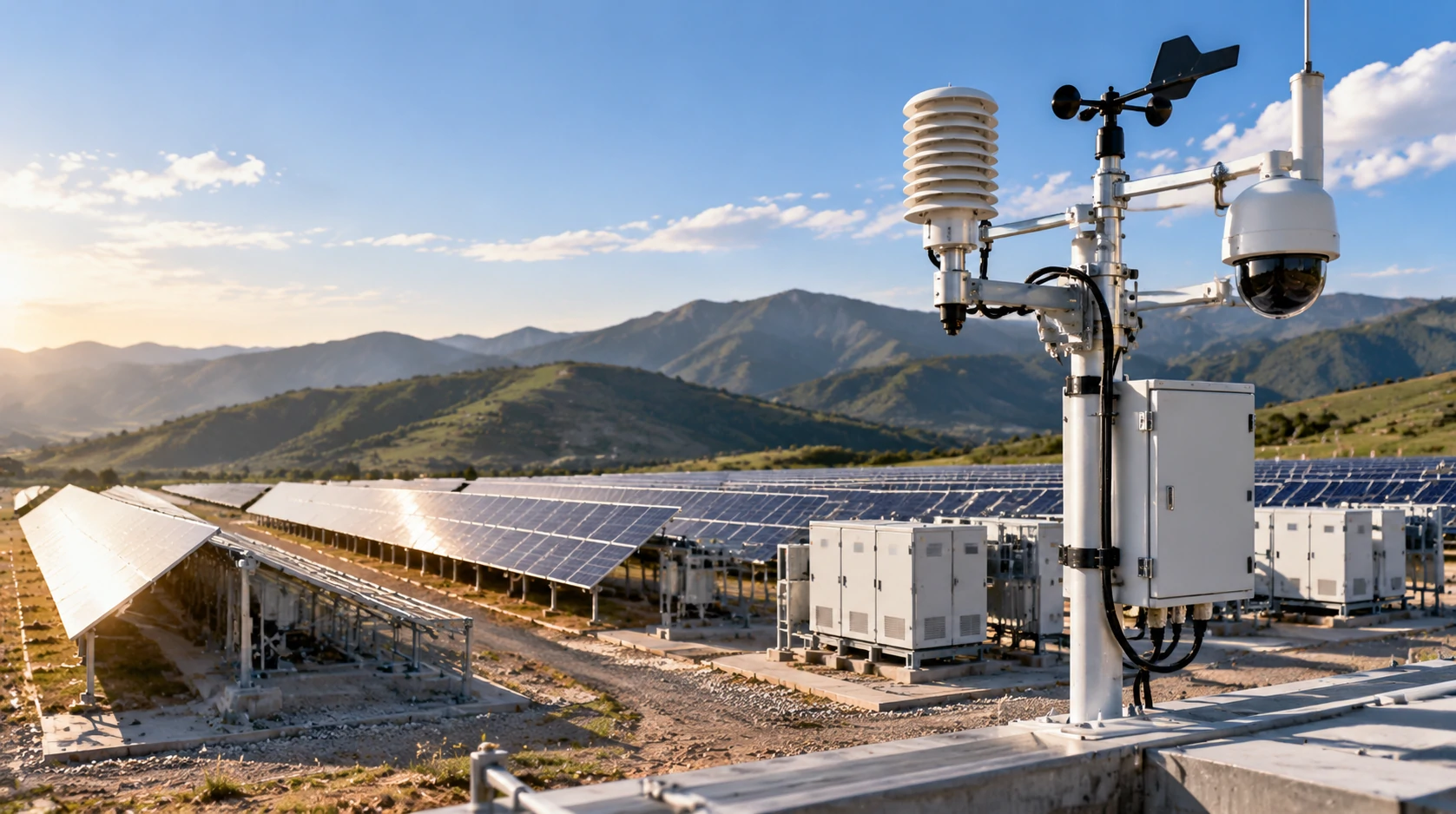
As utility-scale solar farms continue to grow, PV inspection will increasingly combine autonomous drones, thermal cameras, AI analytics, edge computing, and centralized O&M platforms.
Autonomous Drones
Thermal Cameras
AI Analytics
Edge Computing
Centralized O&M Platforms
The goal is not to replace technicians. Instead, AI can handle large-scale data screening while experienced engineers remain responsible for verification, diagnosis, repair, and final maintenance decisions.
By connecting field inspection data with operational performance, AI can help solar operators move from periodic inspection toward more proactive and data-driven PV asset management.
Conclusion
AI PV module defect detection combines drone imaging, thermal analysis, computer vision, and performance data to identify potential problems across large-scale solar farms.
By turning thousands of images and operational records into prioritized inspection results, AI helps operators detect risks earlier, reduce manual workload, and make more informed maintenance decisions.
WThink’s intelligent renewable energy solutions combine AI analytics, smart monitoring, and autonomous inspection technologies to support safer, more efficient, and more data-driven photovoltaic O&M.