WThink helped a large renewable energy group in Xinjiang build a regional smart station management system for distributed wind and solar sites, connecting centralized operations with edge intelligence at each station.
Project background
The customer operated multiple renewable energy stations across a wide region. Each site had different equipment, legacy systems, vendors, and staffing needs. Video surveillance, access control, fire protection, drones, robots, meters, and production systems were managed separately, making cross-site coordination slow and difficult.
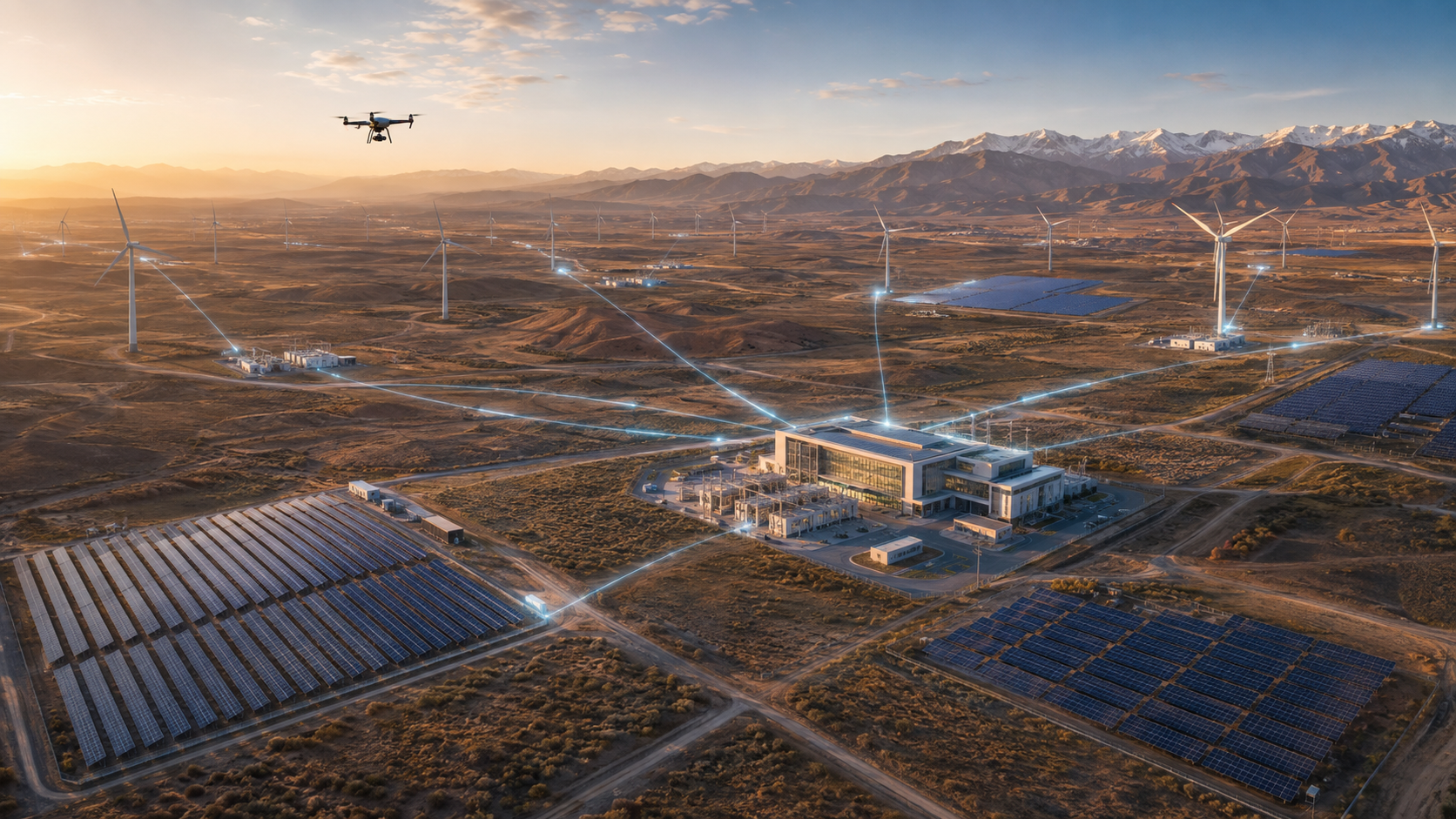
To improve regional operations, WThink built a two-layer architecture: a regional integrated control platform at the production operations center and station-side edge nodes deployed at each renewable energy site.
The goal was to move from single-site staffing to regional centralized control, while keeping each station capable of local analysis and autonomous operation.
Solution architecture
The regional platform provides one control cockpit for site maps, device status, inspection tasks, alarm trends, video resources, fire protection status, and maintenance events. Operators can manage multiple stations from one interface instead of switching between isolated systems.
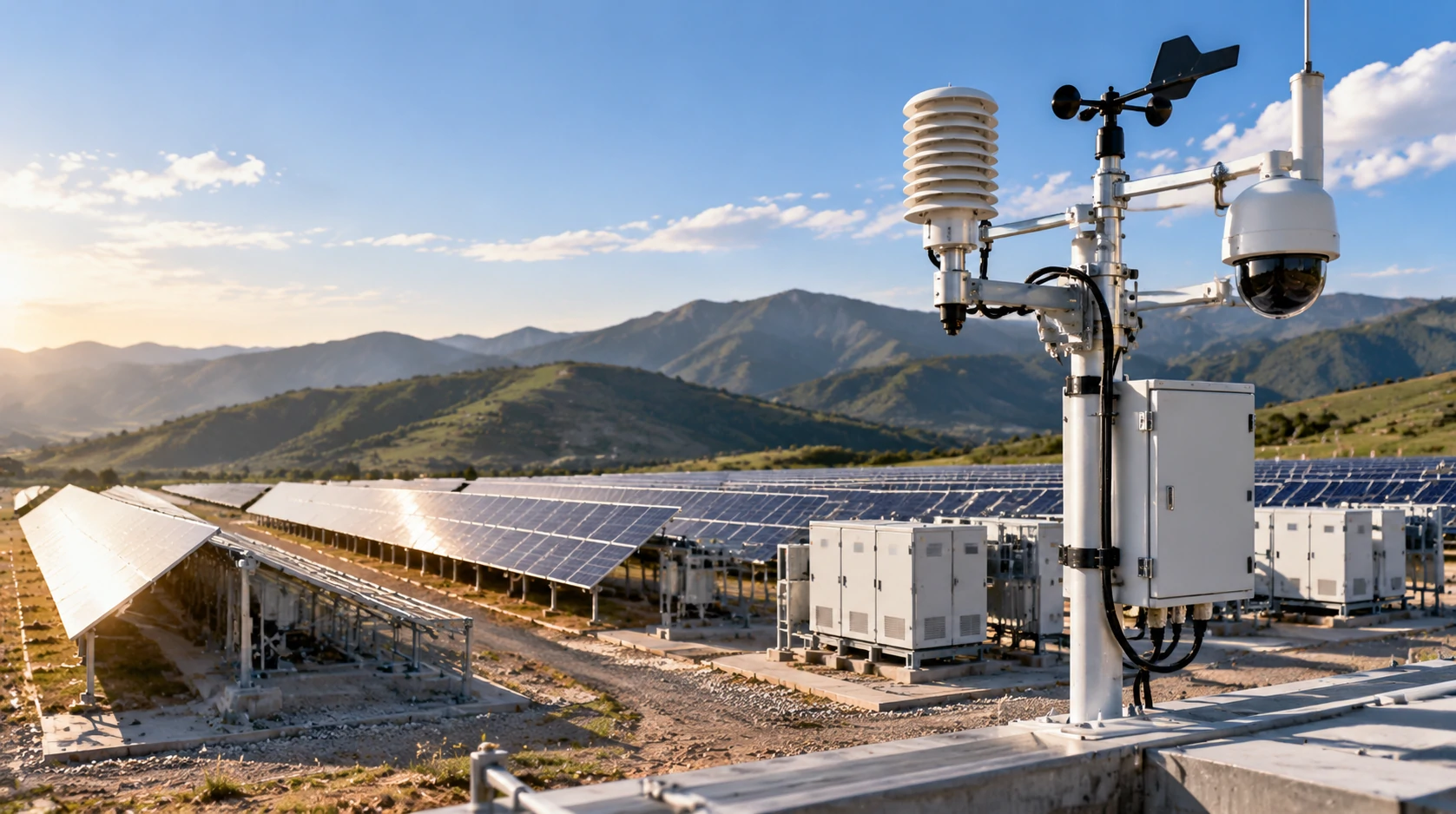
At the station level, edge nodes connect cameras, drone docks, robots, access control systems, digital meters, fire protection devices, and environmental sensors. These nodes support local data collection, AI video analysis, meter recognition, perimeter intrusion detection, personnel behavior analysis, smoke and fire detection, and temperature anomaly alerts.
Key capabilities
Regional control cockpit
Centralized visibility for multiple wind and solar stations, including devices, alarms, inspections, video resources, and maintenance status.
Station-side edge nodes
Local device access, video analytics, data caching, alarm processing, and autonomous operation during unstable network conditions.
AI inspection workflow
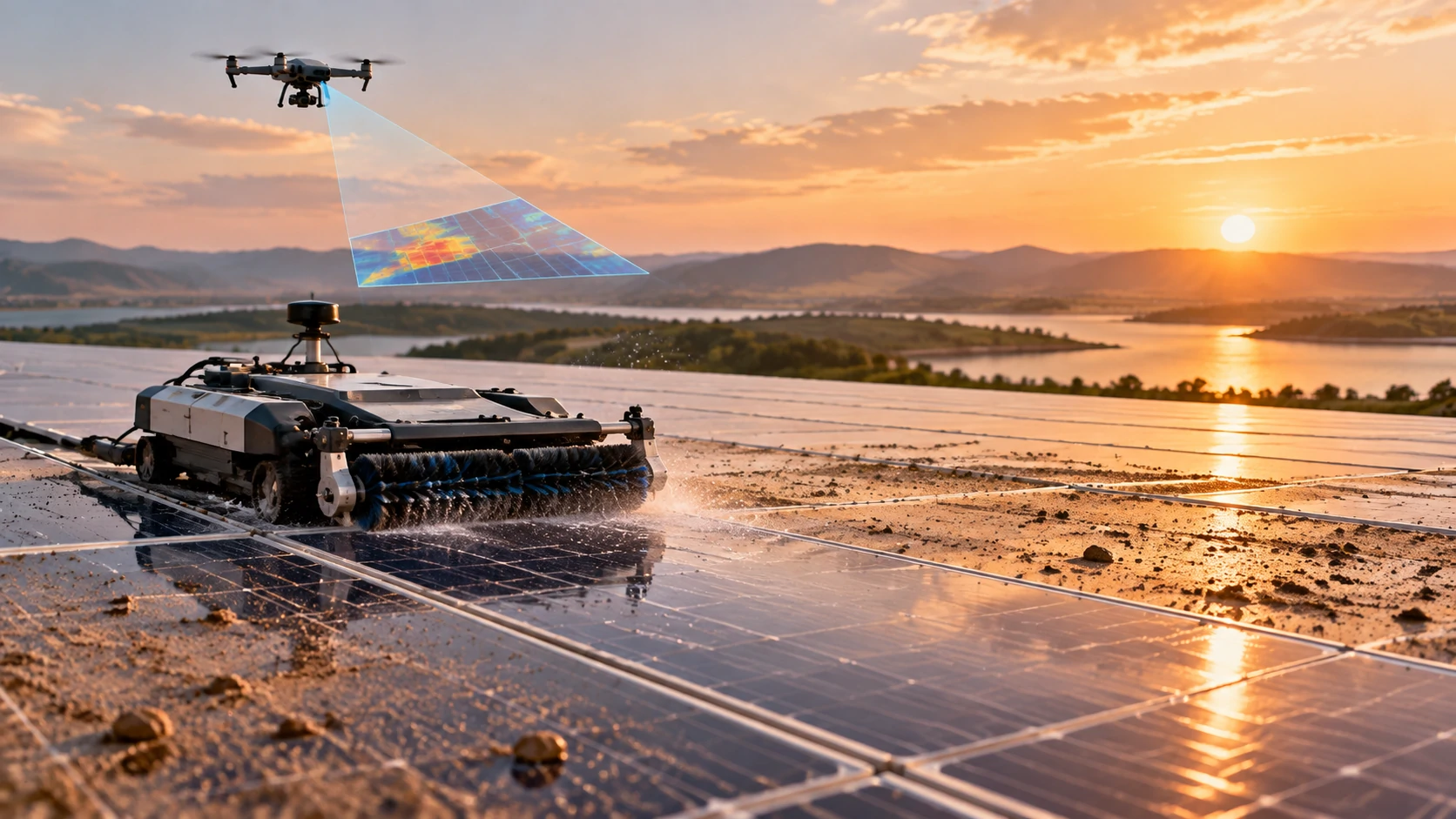
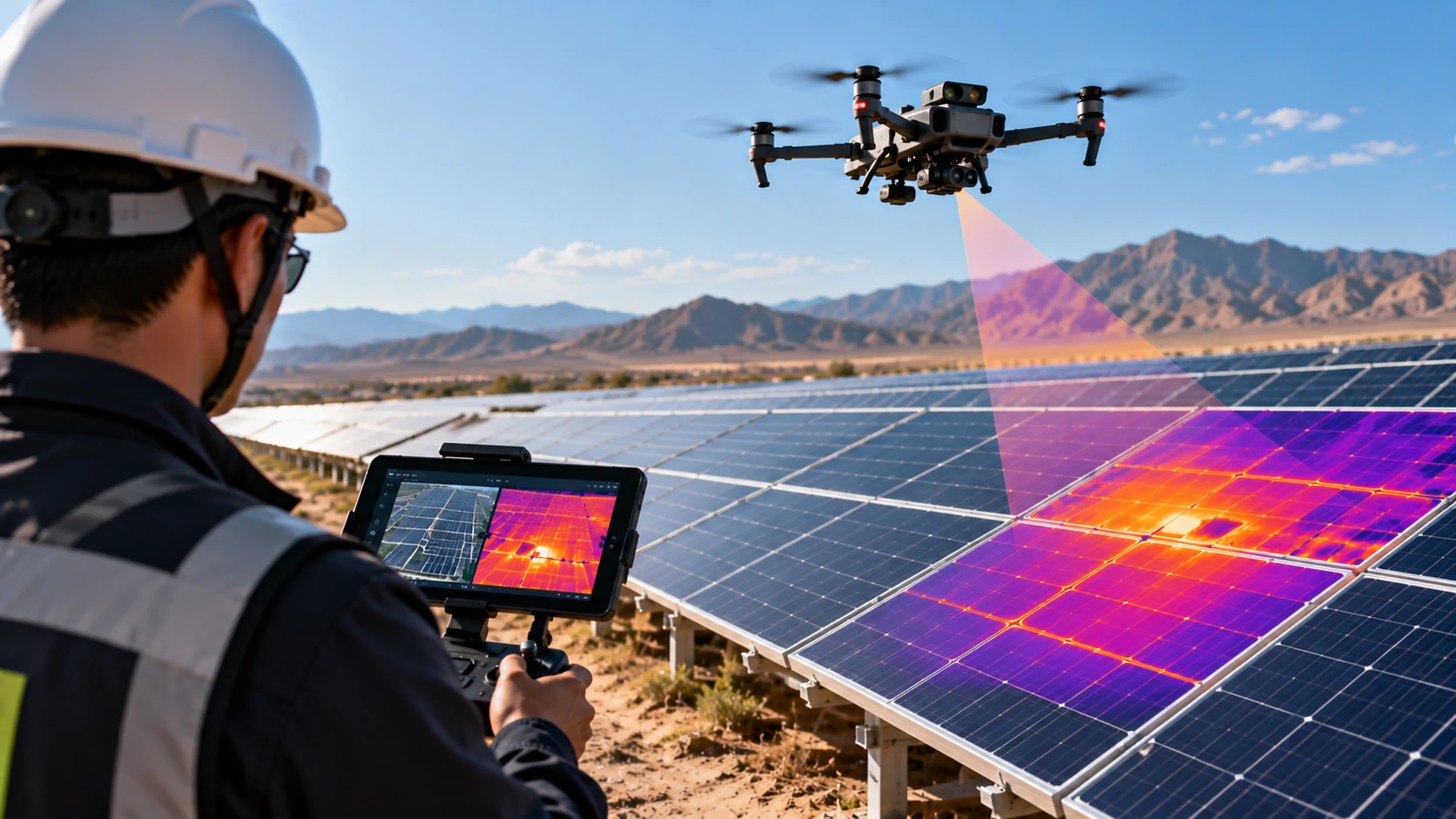
Drones inspect PV modules, wind turbines, and outdoor assets, while robots handle scheduled indoor equipment inspections.
Closed-loop alarm handling
Smoke, fire, temperature, intrusion, unsafe behavior, and equipment alarms are pushed, confirmed, dispatched, resolved, and archived.
Project results
The system supported normalized unmanned operation across 10 renewable energy stations. PV inspection frequency improved from monthly or quarterly cycles to daily or weekly schedules, with remote emergency inspections available after extreme weather.
Hotspot recognition accuracy reached 95%, helping the customer shift from reactive repair to proactive prevention. By optimizing staffing and inspection workflows, the project reduced outsourced personnel by 10 and O&M personnel by 12 year over year, delivering million-yuan-level annual labor cost savings.
10 unmanned sites
Multiple renewable energy stations now support normalized unmanned operation from a regional operations center.
Higher inspection frequency
Routine PV inspection can be scheduled daily or weekly, with emergency inspection after extreme weather.
95% hotspot recognition
AI-assisted inspection improves risk identification and supports proactive maintenance.
Lower staffing cost
Optimized workflows reduced field staffing pressure and helped cut annual labor costs.
This Xinjiang renewable energy case shows how regional smart station management can help operators unify distributed assets, reduce manual workload, improve inspection efficiency, and build a scalable path toward centralized O&M and intelligent field operations.
Frequently asked questions
Why do multiple renewable energy stations need a regional control platform?
A regional platform connects video, drones, robots, access control, fire protection, production data, alarms, inspection, and maintenance into one workflow.
Can the station still operate if the network is unstable?
Yes. Station-side edge nodes can continue local device access, video analysis, alarms, and data caching, then synchronize data after the network is restored.
Does unmanned operation mean no staff are needed?
No. It means routine monitoring and inspection are handled remotely and automatically, while field teams focus on on-demand maintenance and emergency response.