A smart PV power station ties solar assets, field devices, AI analytics, drones, cameras, edge computing, and centralized O&M workflows into a single operating layer. For utility-scale solar plants, that connected layer is where basic monitoring ends and genuinely efficient PV operations begin.
Why PV power stations need more than basic monitoring
Utility-scale PV power stations keep getting larger, more distributed, and operationally more complex. A modern solar plant packs in thousands of PV modules, multiple inverter stations, combiner boxes, weather sensors, security cameras, access roads, perimeter systems, communication devices, and a control center that has to hold all of it together.
Basic monitoring can tell operators when something’s wrong. What it usually can’t tell them is what caused the issue, where the problem started, how serious it is, or what the maintenance team should do next. That gap creates delays. A string-level fault looks like a production drop. A hotspot stays hidden until someone finally reviews the drone footage. A fire or intrusion sits in a separate camera system with no line into the O&M workflow.
A smart PV power station system is built to close that gap — bringing solar PV monitoring, AI inspection, safety monitoring, communication, edge computing, and maintenance decision-making into one connected framework.
The point of a smart PV system isn’t more data. It’s turning site data into faster, clearer, more useful operational decisions.
What is a smart PV power station system?
A smart PV power station system is an integrated platform for managing solar plant performance, safety, inspection, communication, and maintenance. It ties the physical solar field to digital tools like AI vision, thermal analysis, edge computing, 5G IoT, centralized monitoring, and automated O&M workflows.
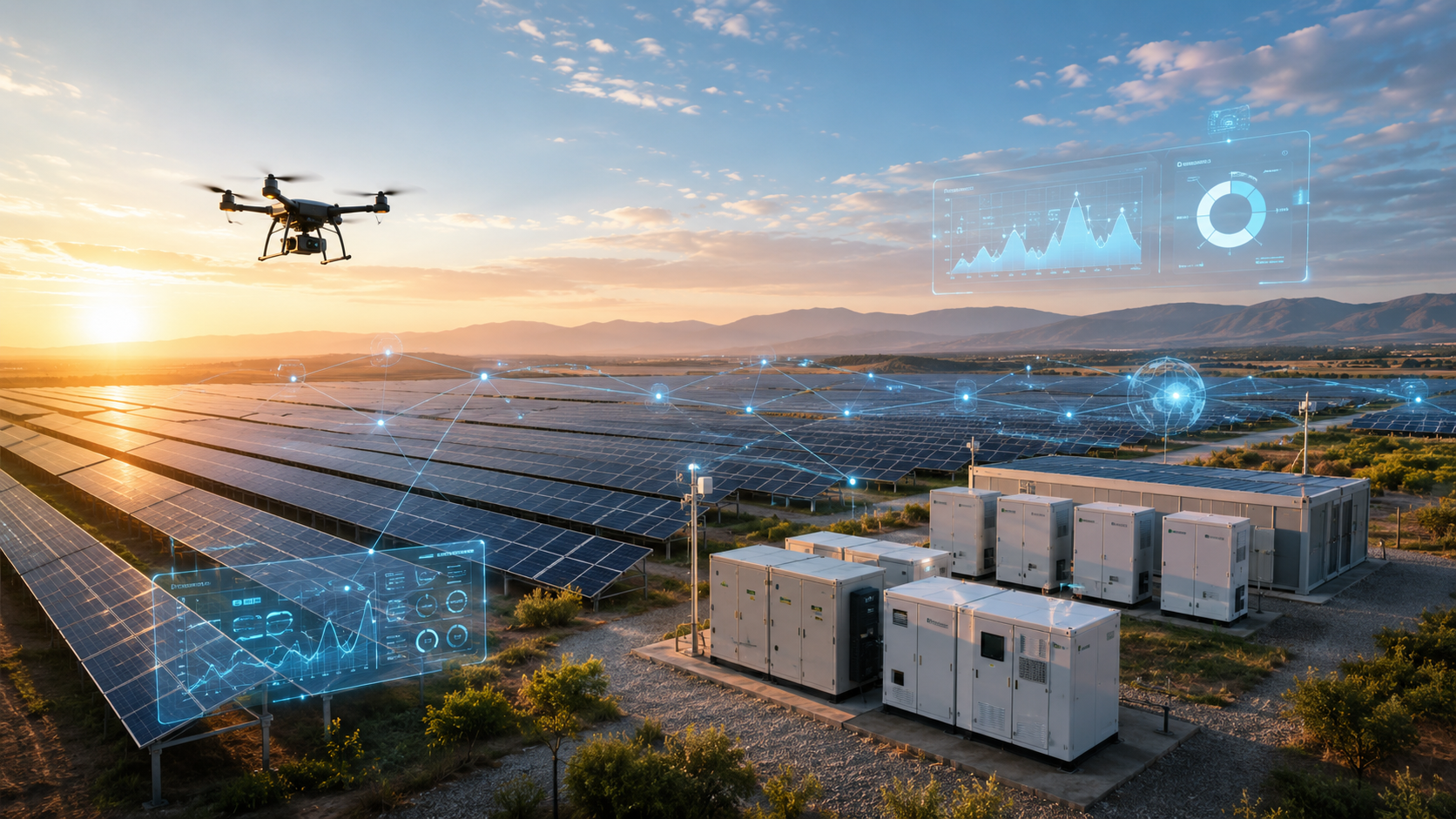
Instead of treating every device as its own island, a smart PV power station creates one operating view. Inverter data, drone inspection results, thermal imagery, camera feeds, equipment alarms, environmental data, and maintenance records all pull in the same direction. That’s what lets operators see the plant as a complete asset — not a collection of disconnected devices.
WThink’s smart PV power station system is built around exactly this connected approach — helping solar operators sharpen PV inspection, AI defect detection, real-time monitoring, smart field operations, and centralized O&M management.
Key components of a smart PV power station
A strong smart PV system is built from several connected layers. Each one has a job. The real payoff shows up when they work together.
Solar PV monitoring
Tracks generation data, inverter status, alarms, weather impact, equipment condition, and site performance across the plant.
AI inspection
AI vision and thermal analysis catch PV hotspots, module defects, soiling, shading, string issues, and abnormal patterns.
Smart field station
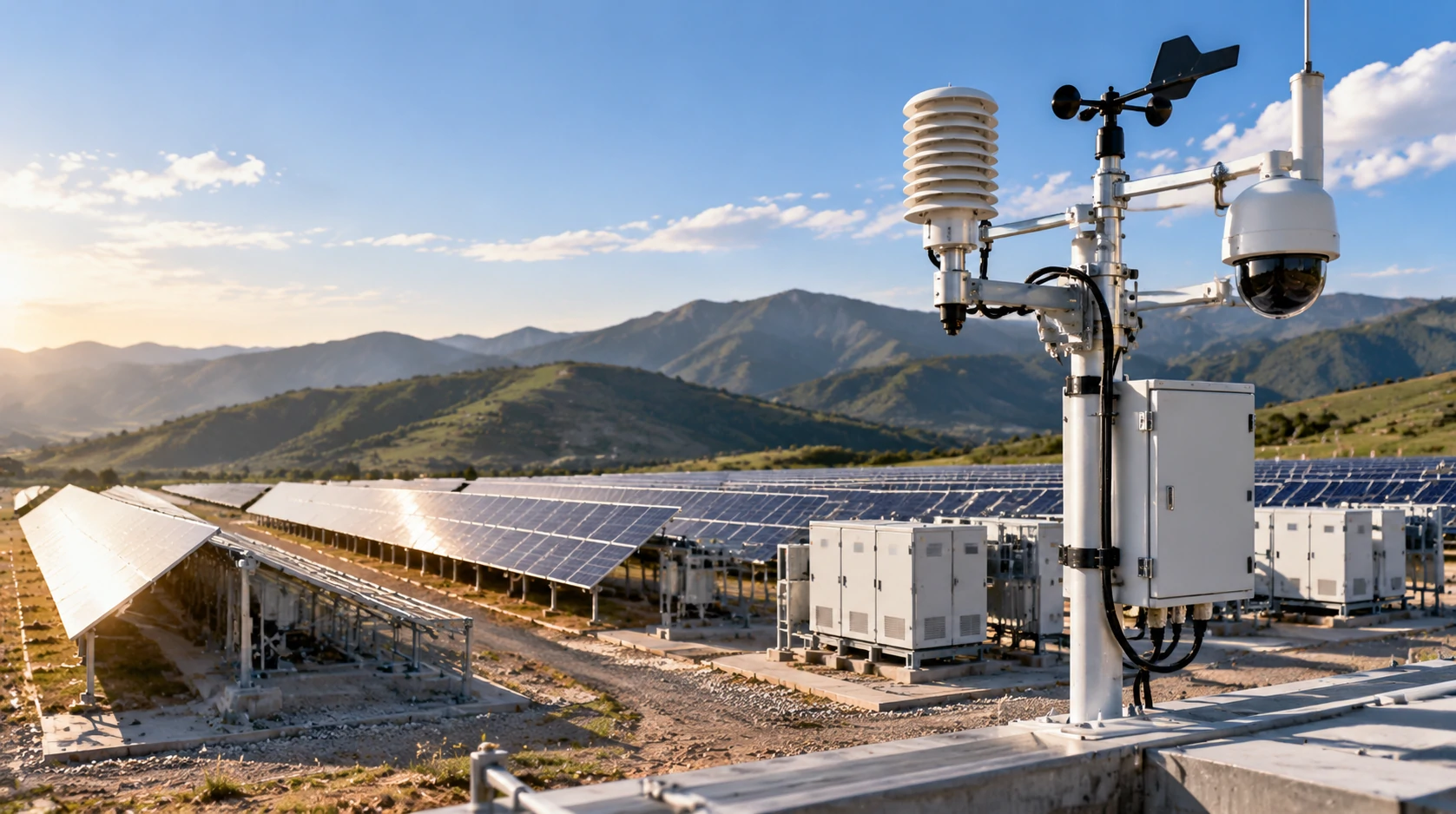
Ties field cameras, edge AI hardware, communication devices, sensors, and local processing tools together for sharper site operations.
AI safety monitoring
Fire and smoke detection, intrusion alerts, restricted-area monitoring, PPE checks, and abnormal behavior flagging across the site.
Edge computing
Processes video, imagery, alarms, and inspection data close to the solar field for faster alerts and dramatically lower response latency.
Centralized O&M platform
Organizes alerts, inspection findings, maintenance tasks, historical records, and asset performance into one management workflow.
Why AI matters in smart PV operations
AI matters because large PV plants generate more data than any human team can review at pace. A single drone flight produces thousands of images. A camera system streams video all day, every day. Inverters, sensors, and field devices push out a constant flow of alarms and operating data. Without intelligence sitting between the data and the operator, teams end up buried under their own information.
AI filters and structures that flood. It flags abnormal heat patterns, catches visible module damage, recognizes soiling and shading, spots smoke or flame, and surfaces abnormal site activity. That lets maintenance teams spend less time hunting for problems and more time actually solving the ones that matter.
For PV operators, AI also brings consistency. Instead of relying on manual judgment that varies from crew to crew, AI classifies findings by type, location, severity, and probable operational impact — every time, the same way.
AI doesn’t make a solar plant smart on its own. It earns its keep when it’s connected to inspection data, field assets, O&M workflows, and the people running the plant.
How smart PV systems improve solar O&M
Solar O&M isn’t just routine cleaning, inverter checks, and scheduled patrols anymore. Operators have to detect faults earlier, respond faster, cut unnecessary field work, and keep performance losses from spreading through the plant.
A smart PV power station links monitoring and inspection data directly to maintenance decisions. When a thermal scan catches a hotspot, the platform ties that finding to a field zone, module group, inspection image, severity level, and maintenance task — automatically. When a camera picks up smoke or intrusion, the alert lands in the same operating workflow instead of getting lost in a separate security system.
The result is targeted O&M. Crews focus on the issues that actually affect generation, safety, and asset reliability — not the noise of treating every alarm and inspection image the same.
Problems a smart PV system can manage
Solar plant performance loss comes from electrical faults, environmental factors, inspection delays, safety events, or plain old lack of visibility. Smart PV systems help operators surface and manage every one of those categories.
PV hotspots
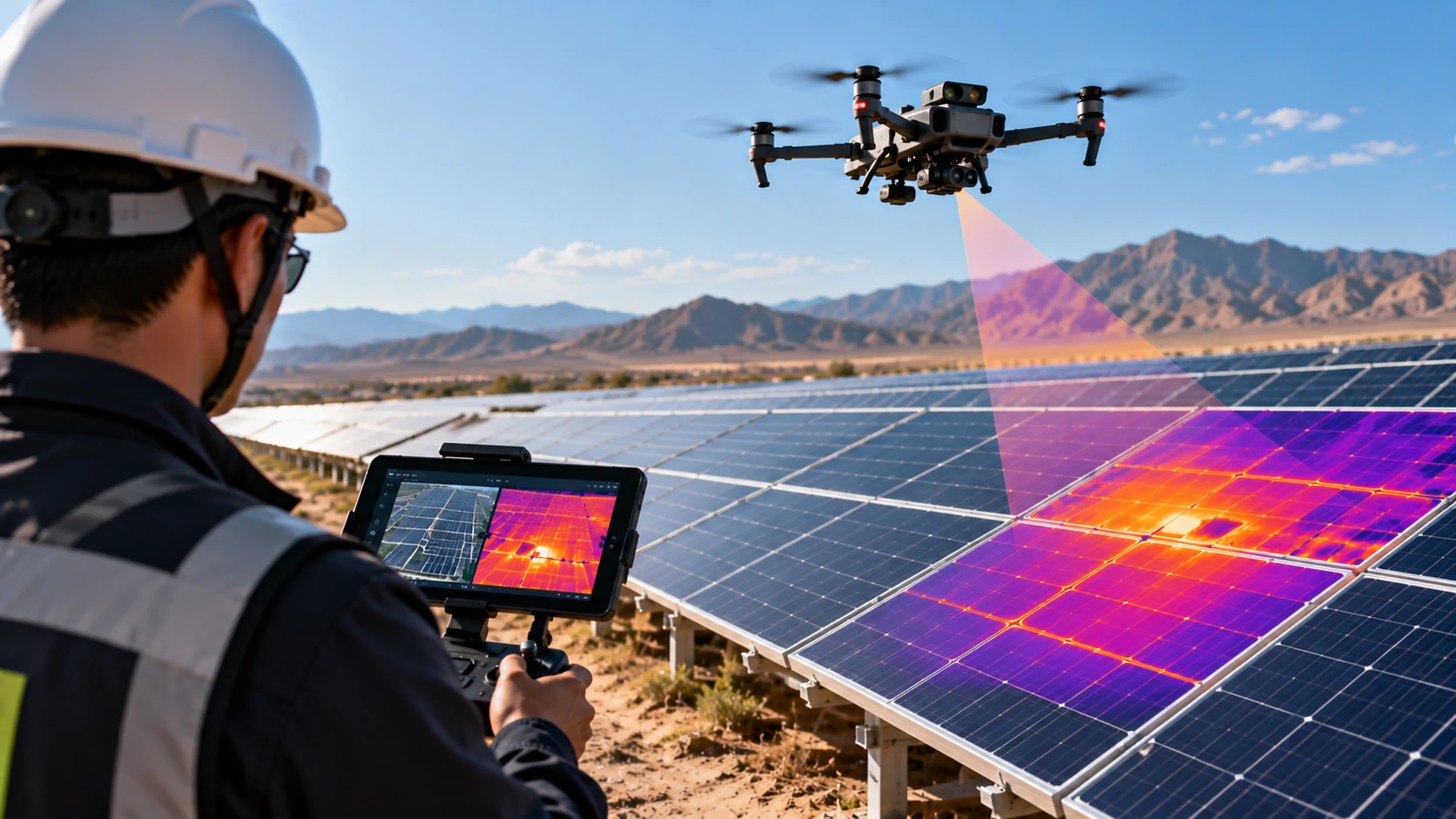
Thermal imaging and AI analysis flag abnormal heat patterns pointing to module defects, string faults, or localized performance loss.
Module defects
AI vision catches cracked glass, discoloration, delamination signs, broken cells, frame damage, and abnormal surface conditions.
Soiling and shading
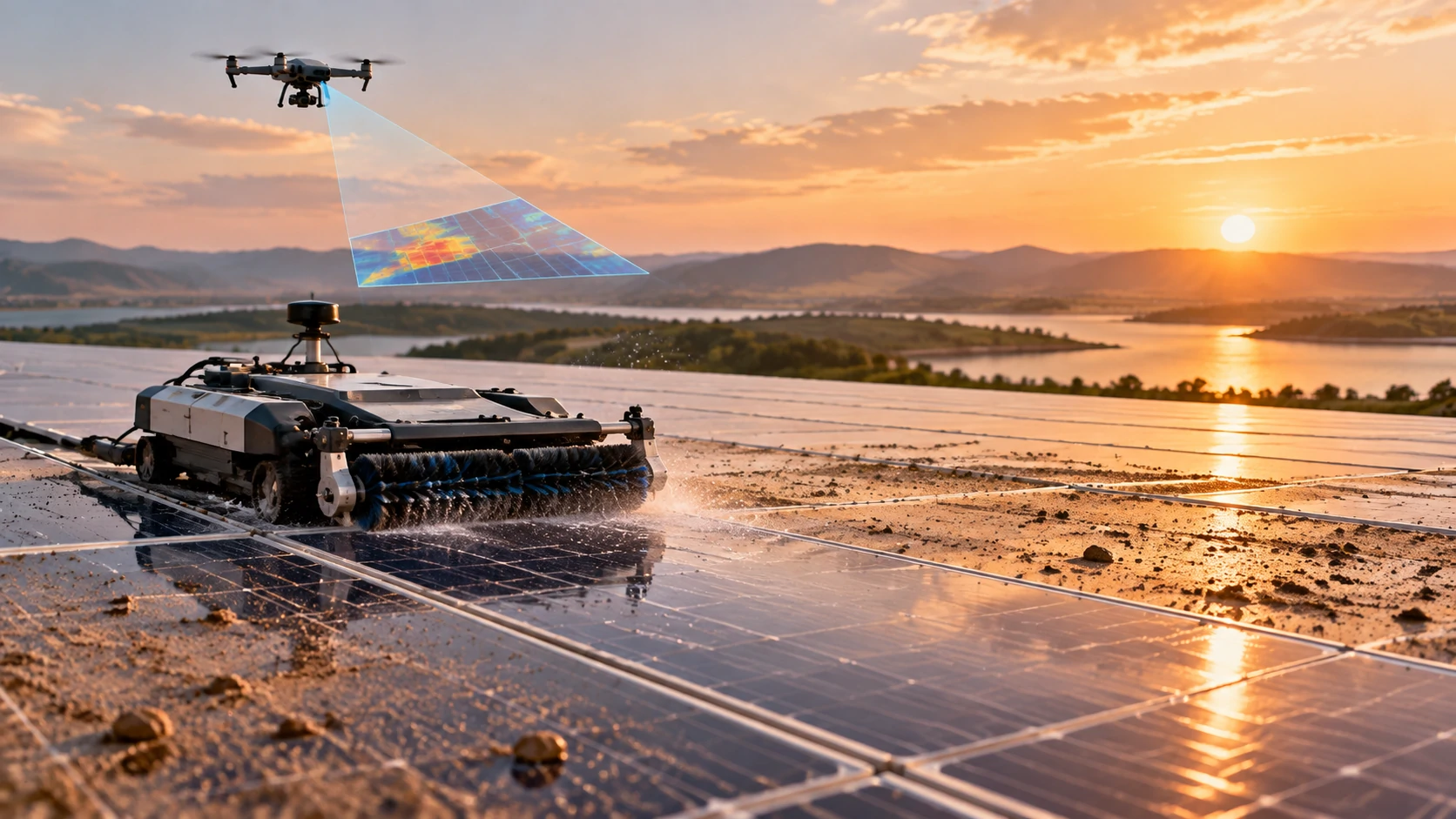
Dust buildup, vegetation shadow, row shading, bird droppings, and other field conditions quietly eating into energy output.
Inverter and string issues
Equipment data, alarms, generation trends, and inspection findings combined to speed up root-cause analysis.
Fire and safety risks
AI video analytics detect smoke, flame, abnormal temperature, restricted-area breaches, and unsafe activity across the site.
Security events
Intrusion detection, perimeter monitoring, abnormal movement alerts, and remote visibility for unmanned or remote PV sites.
The role of drones and autonomous inspection
Drones earn their spot in smart PV power stations because they inspect large solar fields fast and repeatably. They capture visual and thermal data from consistent angles — the kind of coverage needed to actually detect hotspots, module damage, soiling, shading, row-level anomalies, and site-wide patterns.
The catch: a drone report on its own only goes so far. Connect that drone data to the rest of the PV system, and it becomes something genuinely powerful. Images tie to asset locations. Findings compare over time. AI runs on the raw data. Results feed straight into maintenance planning.
WThink’s Autonomous Inspection System is designed exactly for that connected workflow — linking route planning, image capture, AI findings, reporting, and O&M decision-making into a repeatable process instead of a one-off flight.
Why edge computing and 5G IoT matter
Most solar plants get built in the middle of nowhere — remote, sparse coverage, real limits on site access and response time. If every video stream, inspection image, and alarm has to wait on a cloud round-trip, the whole system slows to a crawl right when it needs to move fastest.
Edge computing shifts the first pass of processing to the field. That drives faster AI video analytics, preliminary defect detection, fire and smoke alerts, intrusion detection, image quality checks, and abnormal event filtering — all happening on-site. 5G IoT and industrial wireless then carry inspection data, telemetry, device status, and alerts back to the centralized platform without the usual bandwidth bottleneck.
Together, edge and 5G give a smart PV power station the response speed it needs to run remote operations without compromise.
A practical smart PV power station workflow
Bring field assets into one system
Cameras, sensors, inverters, drones, edge AI devices, communication modules, and monitoring platforms tie into a unified PV operating workflow.
Track site status in real time
Generation data, video streams, alarms, environmental data, device status, and inspection records all monitored from one platform.
Collect visual and thermal data
Drones and cameras capture PV module condition, equipment views, field zones, thermal anomalies, and site activity for AI analysis.
Use AI to identify risks
AI catches hotspots, module defects, soiling, shading, fire risk, intrusion, abnormal equipment behavior, and performance loss.
Rank tasks by operational impact
Findings organized by location, severity, equipment type, generation impact, safety risk, and recommended maintenance priority — ready to dispatch.
Track results over time
Historical inspection and performance data confirm maintenance outcomes and sharpen long-term solar plant reliability.
Why smart PV systems matter for owners
For solar plant owners, the payoff of a smart PV power station comes down to better visibility, faster response, safer operations, and stronger asset performance. It shows teams where energy is being lost, which equipment needs attention, and how to cut the manual work that isn’t paying off.
It also unlocks portfolio-level management. For companies running multiple PV plants, a consistent smart monitoring and O&M framework makes it easy to compare sites, standardize reporting, manage recurring issues, and plan maintenance across regions without reinventing the process every time.
Solar capacity is only going one direction. Operators will need systems that scale with the size and complexity of their assets. Smart PV systems are the digital foundation that scale sits on.
What to think about before deployment
Before rolling out a smart PV power station system, operators need to be clear on the operational problems they want to solve first. Some sites need better inspection efficiency. Others need fire and safety monitoring, centralized multi-site management, faster fault detection, smarter cleaning decisions, or stronger field connectivity. Chasing everything at once usually means catching nothing well.
Data integration is the other big question. A smart system can’t be another isolated dashboard. It has to hook into existing plant systems, field devices, inspection workflows, and maintenance processes — the value is in making operations easier to run, not adding another screen for someone to babysit.
Operators also need to weigh scalability, cybersecurity, network coverage, edge computing requirements, device compatibility, and how AI findings will actually reach the engineering and O&M teams that act on them.
Where WThink fits in
WThink builds smart PV power station systems on Industrial AI, 5G IoT, edge computing, autonomous inspection, AI video analytics, and centralized software platforms. Together they help PV operators connect field data, catch risks, sharpen inspection workflows, and manage solar assets with the kind of visibility manual O&M can’t match.
By tying drones, cameras, sensors, edge AI devices, communication modules, and software platforms into one system, WThink helps operators move from manual solar plant management to genuinely automated PV operations. Explore WThink’s Industrial AI and 5G IoT products to see what’s available for smart field deployment.
A smart PV power station matters because modern solar plants need more than basic alarms and periodic inspections. They need connected intelligence spanning equipment, inspection, safety, communication, and O&M workflows. Bring AI, drones, edge computing, 5G IoT, smart field stations, and centralized monitoring together, and operators catch problems earlier, cut field workload, improve site safety, and manage PV assets with the kind of confidence that used to require twice the crew.
Frequently asked questions
What is a smart PV power station system?
It’s a connected system that ties solar equipment, cameras, sensors, drones, edge AI, communication devices, and monitoring platforms together to sharpen PV operations, inspection, safety, and maintenance.
Why does a smart PV system matter?
It helps operators detect faults earlier, run leaner solar O&M, cut manual workload, monitor site safety, and manage PV assets with data instead of guesswork.
How does AI improve a PV power station?
AI catches PV hotspots, module defects, soiling, shading, fire risk, intrusion, abnormal equipment behavior, and performance loss — pulling them out of massive volumes of field data at a speed manual review can’t match.
What role do drones play in smart PV operations?
Drones capture visual and thermal data across large solar fields, letting operators inspect modules faster and surface hotspots, damage, soiling, and field-level anomalies you’d never spot on foot.
How do edge computing and 5G IoT support smart solar plants?
Edge computing processes data close to the field for faster alerts. 5G IoT moves video, inspection data, device status, and alarms in real time. Together they cut the lag that used to define remote solar operations.