Solar SCADA and AI Monitoring: Building a Smarter PV Control System
Modern photovoltaic (PV) power plants generate large volumes of operational data every day. Inverter output, voltage, current, solar irradiance, equipment temperature, and alarm records all provide valuable information about plant performance.
However, collecting data is only the first step. Operators also need to understand what the data means, identify abnormal conditions, and respond before minor issues lead to significant energy losses or equipment downtime.
This is where Solar SCADA and AI monitoring work together. SCADA provides centralized supervision and control, while artificial intelligence (AI) helps analyze operating patterns, identify anomalies, and prioritize potential problems.
By combining these technologies, solar operators can build a smarter PV control system that supports faster decisions, more efficient maintenance, and more reliable plant operation.
What Is a Solar SCADA System?
SCADA stands for Supervisory Control and Data Acquisition. It is an industrial system used to collect equipment data, display operating conditions, generate alarms, and support authorized remote control.
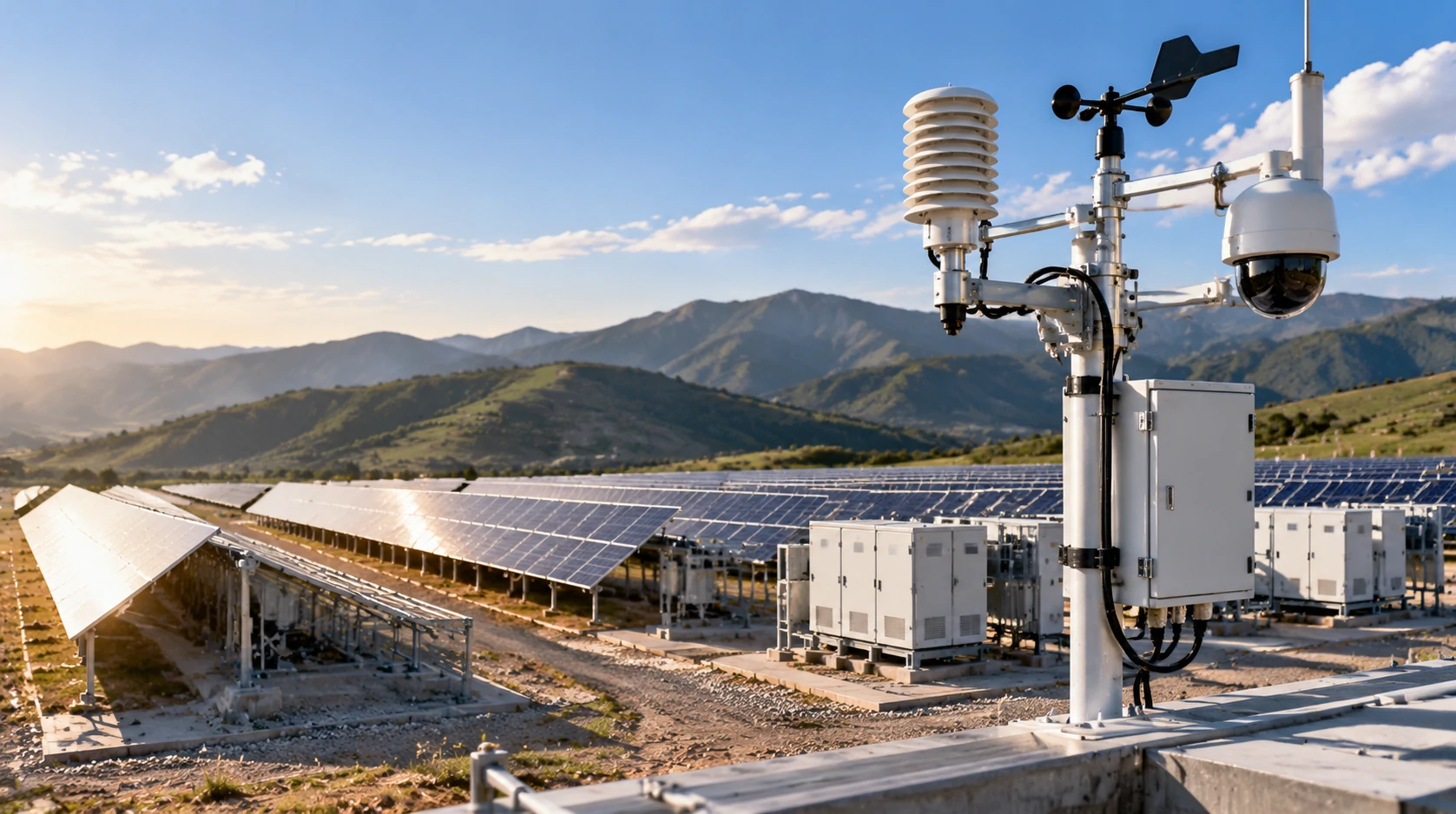
In a solar power plant, a SCADA system typically connects to inverters, meters, weather stations, electrical equipment, and other monitoring devices.
Its core functions include:
Data Acquisition
Collecting real-time measurements and equipment status.
Centralized Visualization
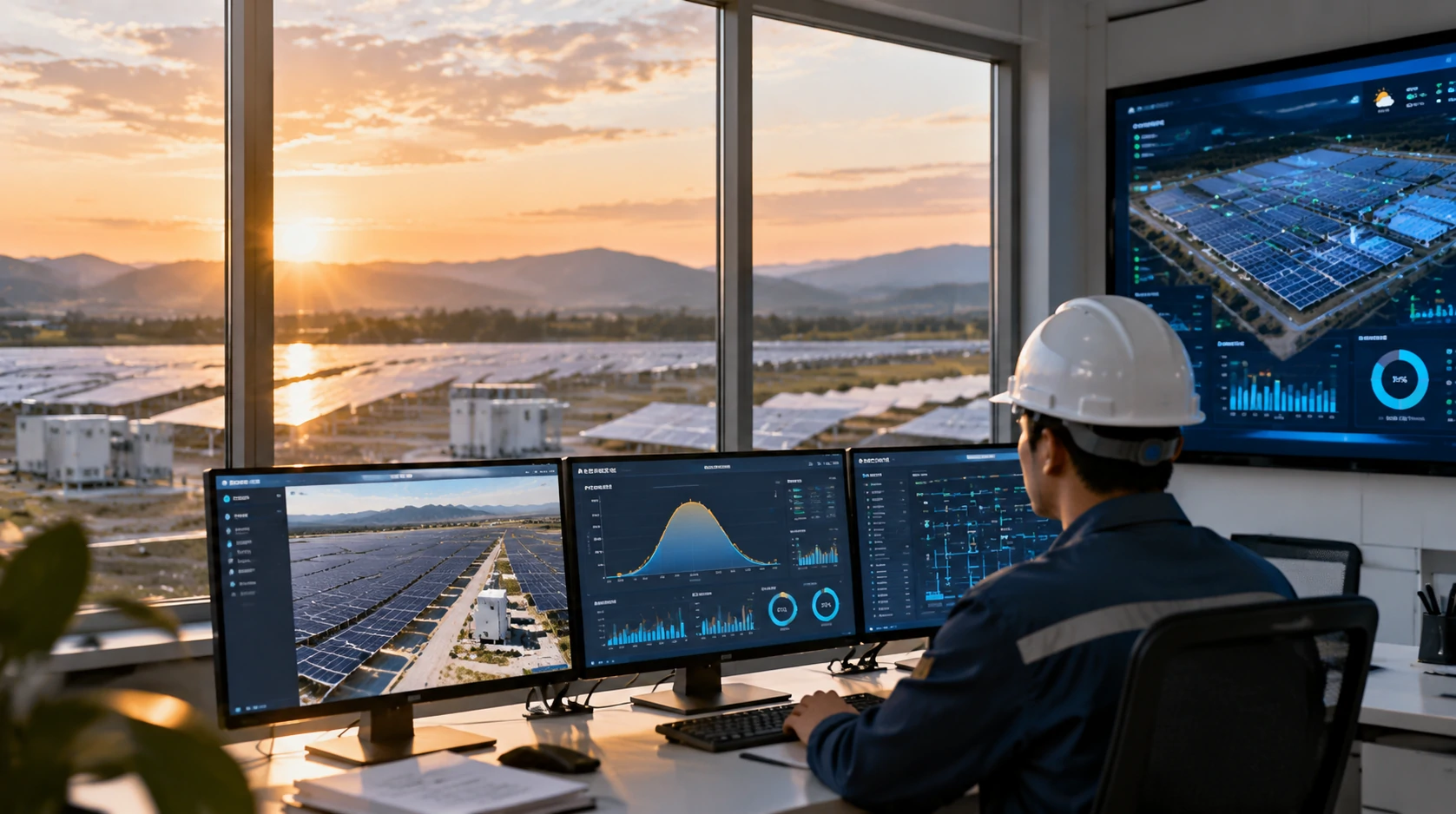
Displaying plant performance through dashboards and diagrams.
Alarm Management
Notifying operators when monitored values or equipment states require attention.
Remote Supervision and Control
Supporting authorized operating actions where the equipment and system configuration permit them.
Historical Records
Storing operational data for reporting, troubleshooting, and performance analysis.
A traditional SCADA system provides essential operational visibility. Adding AI analytics can extend its capabilities by identifying patterns that may be difficult to detect through fixed thresholds alone.
Why Traditional Solar Monitoring Needs AI
Large-scale PV plants can contain thousands of modules, multiple inverter stations, and distributed electrical and communication equipment. Reviewing every data point manually becomes increasingly difficult as plant capacity grows.
Traditional monitoring also has limitations. Fixed alarm thresholds can identify known abnormal conditions, but they may not detect gradual performance changes or unusual relationships between multiple variables.
For example, an inverter may continue operating without triggering a critical alarm while producing less power than comparable inverters under similar irradiance and temperature conditions.
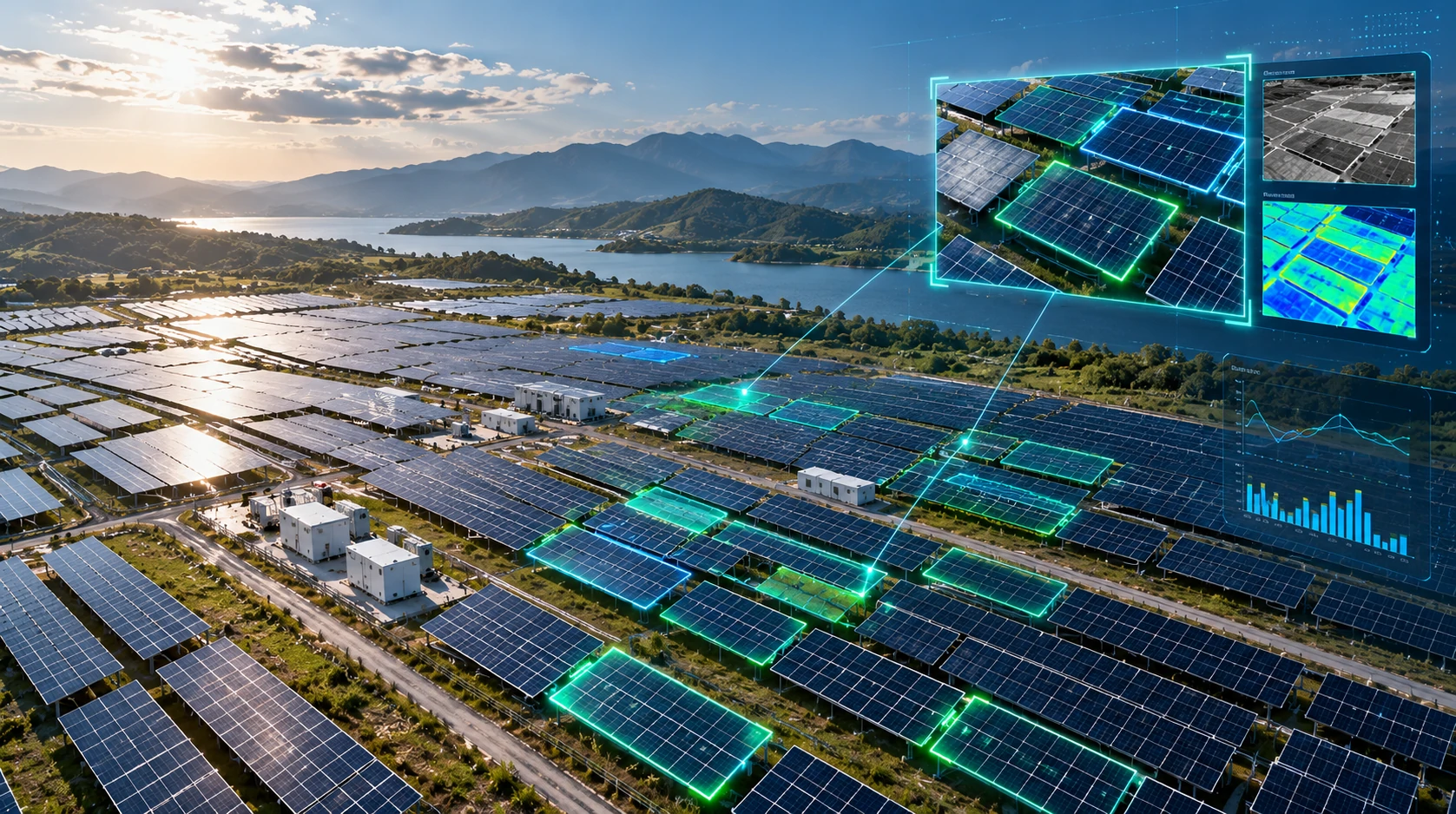
AI monitoring helps address this gap by analyzing historical and real-time data together. Rather than looking at a single measurement in isolation, an AI model can learn normal operating patterns and flag deviations for further investigation.
AI should complement—not replace—SCADA alarms, engineering rules, and operator judgment. Its value lies in helping teams identify and prioritize issues, not automatically treating every unusual reading as a confirmed fault.
How AI Monitoring Improves Solar PV Control
Real-Time Performance Analysis
AI monitoring evaluates operating data from inverters, meters, and environmental sensors to understand how a PV plant performs under changing conditions.
Solar generation naturally varies with sunlight, cloud cover, module temperature, and other environmental factors. A useful monitoring system must account for these conditions before deciding that lower output indicates a problem.
By comparing actual generation with expected performance under similar conditions, AI models can help identify persistent output deviations and equipment that may require inspection.
Intelligent Fault and Anomaly Detection
An anomaly is a measurement or operating pattern that differs significantly from what is expected. It does not necessarily mean equipment has failed, but it may indicate a condition worth investigating.
AI models can analyze:
- Unusual inverter output patterns
- Unexpected changes in temperature or current
- Repeated alarms and equipment status changes
- Abnormal communication or data patterns
- Gradual declines in operating efficiency
For example, machine learning models trained on historical SCADA data can compare predicted operating behavior with actual measurements. Large or persistent differences can trigger an alert for further diagnosis. Research has demonstrated this approach for identifying potential PV system faults using irradiance and power-generation data.
Smarter Alarm Prioritization
A busy solar control room may receive numerous alarms from different devices. If every event is presented with the same urgency, operators can struggle to determine which issues need immediate attention.
AI analytics can help group related events, identify recurring patterns, and rank potential issues according to severity, persistence, and possible impact.
For example, several alarms associated with the same inverter may be linked to one underlying issue rather than treated as unrelated events.
The final priority should still follow the plant’s safety procedures, engineering rules, and operational requirements.
Data-Driven Remote Control
SCADA can support authorized remote actions, such as adjusting supported operating settings or issuing commands to compatible equipment. AI can provide additional context by analyzing plant conditions before an operator makes a decision.
Depending on the equipment, grid requirements, and approved control strategy, this may support more informed responses to abnormal operating conditions.
AI does not automatically make every PV plant capable of autonomous control. Actual control functions depend on device compatibility, validated logic, access permissions, communication reliability, and applicable grid requirements.
Key Capabilities of an AI-Enabled Solar SCADA Platform
Real-Time Operational Monitoring
Collects and visualizes inverter measurements, plant output, environmental conditions, and equipment status through a centralized interface.
AI Anomaly Detection
Analyzes operating patterns and highlights deviations that may indicate hidden performance losses or developing faults.
Intelligent Alarm Management
Helps operators identify recurring events, prioritize important alarms, and investigate related equipment conditions.
Historical Performance Analytics
Uses historical records to compare equipment performance, track trends, and support maintenance planning.
How an AI-Enabled PV Control System Works
An AI-enabled PV control system connects field data collection, data validation, intelligent analysis, alert generation, and operator verification into a structured workflow.
Collect Operating Data
Gather measurements and status information from inverters, meters, sensors, and compatible field devices.
Validate and Process Data
Check data quality, timestamps, missing values, and sensor consistency before analysis.
Analyze Performance with AI
Compare operating conditions with historical patterns and flag potential anomalies for investigation.
Generate Actionable Alerts
Present the suspected issue, relevant measurements, equipment location, and supporting historical information.
Verify and Improve
Operators investigate the alert, take approved action, and record the outcome to support future analysis.
Benefits of Solar SCADA and AI Monitoring
Improved Operational Visibility
A centralized SCADA platform gives operators a unified view of equipment status, energy production, and plant alarms. AI analytics adds another layer of insight by identifying patterns that may otherwise be difficult to recognize.
Earlier Fault Detection
Continuous data analysis helps identify potential equipment problems before they develop into more serious operational issues. Earlier investigation can reduce the time between the first warning sign and maintenance action.
More Efficient Maintenance
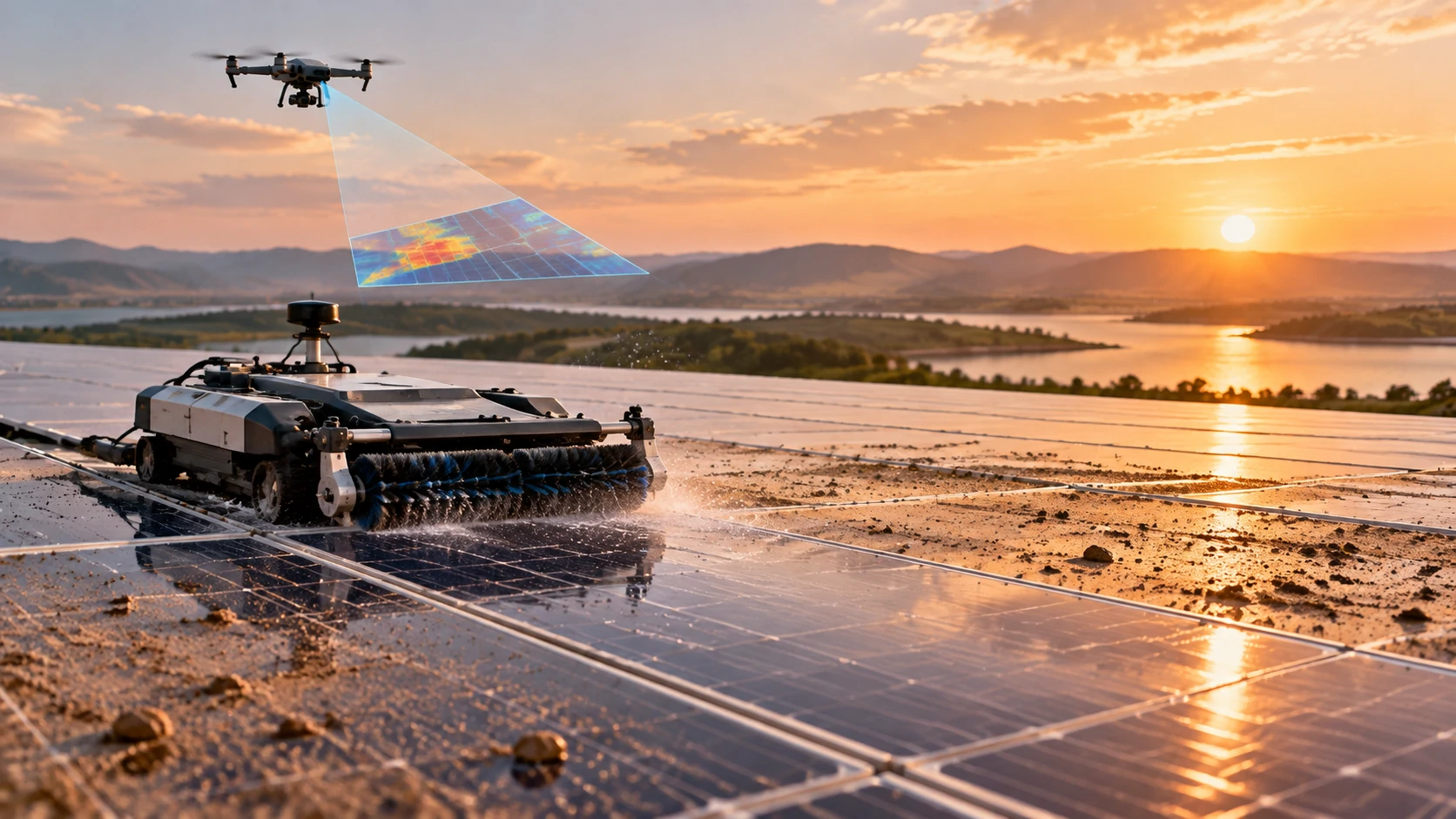
Instead of checking every device at the same frequency, maintenance teams can use anomaly alerts and historical performance data to prioritize inspections.
Better Energy Performance
By identifying abnormal output, equipment underperformance, and persistent efficiency deviations, operators can investigate avoidable energy losses and make more informed maintenance decisions.
More Consistent Asset Management
Standardized data collection and analysis make it easier to compare equipment across different plant sections or sites, track performance over time, and maintain consistent operational records.
These benefits depend on reliable measurements, suitable analytical models, and well-defined maintenance procedures. The National Renewable Energy Laboratory emphasizes that monitoring data quality and measurement practices are fundamental to effective PV performance analysis.
Important Considerations When Integrating AI with Solar SCADA
AI monitoring is only as useful as the data and operational processes behind it. Before deploying an AI-enabled control system, solar operators should consider several practical requirements.
- Data quality: Incorrect sensor readings, missing data, and inconsistent timestamps can produce misleading alerts.
- Environmental conditions: Solar irradiance, module temperature, cloud cover, and grid curtailment must be considered when evaluating generation performance.
- System compatibility: Equipment protocols and data formats should be checked before integrating inverters, sensors, and existing SCADA platforms.
- Cybersecurity: Access controls, network segmentation, secure communications, and appropriate authorization are important for protecting industrial monitoring and control systems.
- Human verification: AI-generated alerts should be validated against operating conditions and engineering procedures before consequential maintenance or control actions are taken.
A practical implementation often begins with monitoring and anomaly detection, then expands into more advanced diagnostics and approved control workflows as the models and integrations are validated.
The Future of Intelligent Solar Plant Control
As photovoltaic plants expand in capacity and complexity, SCADA systems are evolving from basic monitoring interfaces into more intelligent operational platforms.
The combination of SCADA, AI analytics, edge computing, and digital asset management can help operators connect real-time conditions with historical performance and maintenance workflows.
SCADA Integration
Connects equipment monitoring, operational information, and supervisory control within a centralized platform.
AI Analytics
Helps identify unusual operating patterns and direct attention toward potential equipment issues.
Edge Computing
Supports local analysis where low-latency responses are important.
Digital Asset Management
Helps connect operational conditions, historical performance, and maintenance workflows.
For example, edge computing can support local analysis where low-latency responses are important, while centralized platforms provide a broader view across multiple PV sites. AI can then help identify unusual behavior and direct operators toward the equipment that needs attention.
WThink supports intelligent renewable energy operations through integrated monitoring, AI analytics, and digital management technologies. Learn more about its smart solar O&M solutions.
Conclusion
Solar SCADA and AI monitoring combine centralized supervision with intelligent data analysis to improve photovoltaic plant management. SCADA collects operating information, displays equipment conditions, and supports authorized control, while AI helps detect anomalies, identify performance deviations, and prioritize maintenance activities.
By integrating reliable data collection, intelligent analysis, and structured response workflows, solar operators can build a smarter PV control system that supports earlier fault detection, more efficient O&M, and more reliable renewable energy production.
Frequently Asked Questions
What is Solar SCADA?
Solar SCADA is a supervisory control and data acquisition system used to monitor photovoltaic equipment, collect operating measurements, display alarms, store historical data, and support authorized remote control.
How does AI improve solar SCADA monitoring?
AI analyzes operating data and historical patterns to identify unusual behavior, detect potential performance losses, and help operators prioritize alarms and maintenance activities.
Can AI predict solar inverter failures?
AI can identify patterns associated with potential equipment problems and provide early warnings. Its predictive capability depends on data quality, model validation, equipment conditions, and the availability of relevant historical records. An alert is not, by itself, confirmation that a failure will occur.
What data does an AI-enabled solar SCADA system need?
Typical inputs include inverter power, voltage, current, equipment status, solar irradiance, module or ambient temperature, alarm records, and historical generation data. Additional data can be incorporated when it is available and relevant.
Does AI replace traditional SCADA alarms?
No. AI complements conventional alarms and engineering rules. Combining established protection mechanisms with AI-based anomaly detection provides a broader approach to monitoring and fault investigation.
What is the difference between solar SCADA and AI monitoring?
SCADA focuses on data acquisition, visualization, alarms, and supervisory control. AI monitoring analyzes operational data to recognize patterns and potential anomalies. Together, they support more informed operational decisions.