WThink helps photovoltaic operators improve power generation efficiency through solar energy analytics, transforming complex PV operating data into actionable insights for performance optimization, anomaly detection, and smarter O&M decisions.
Why Solar Energy Analytics Matters for PV Power Plants
Modern photovoltaic power plants generate massive amounts of operational data every day. From inverter performance and energy output to weather conditions, equipment status, and historical operating records, this data contains valuable information about plant efficiency and potential risks.
However, collecting data alone does not improve solar generation. The real challenge is transforming complex PV operating information into actionable insights that help operators identify problems earlier, optimize performance, and make better maintenance decisions.
Solar energy analytics provides the connection between raw photovoltaic data and smarter operational management, helping operators move from reactive maintenance toward proactive optimization.
Why PV Performance Requires Data-Driven Analysis
Large-scale photovoltaic plants are becoming increasingly complex. A utility-scale PV project may include thousands of solar modules, multiple inverter stations, monitoring devices, weather sensors, communication systems, and electrical equipment.
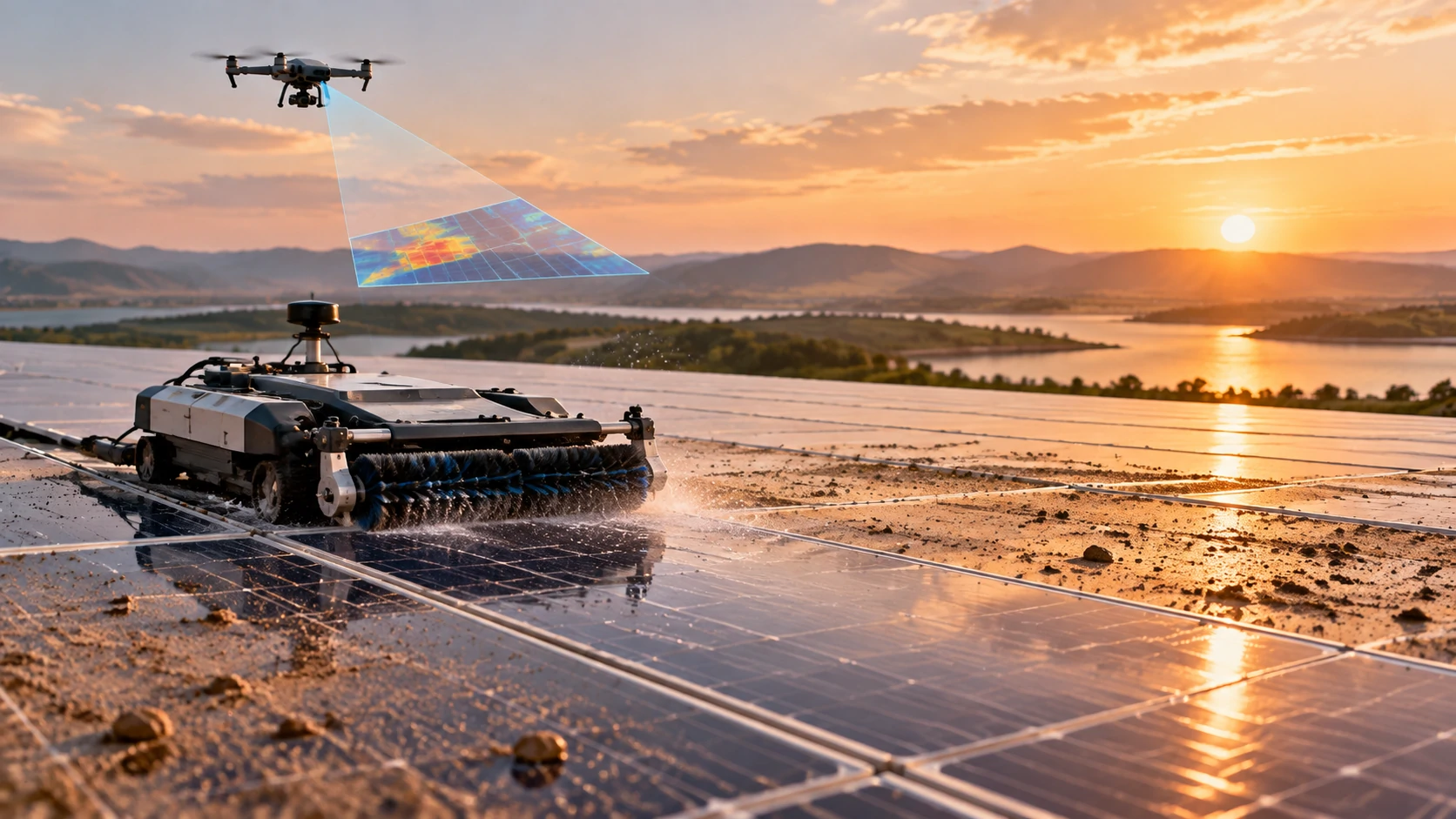
During long-term operation, PV performance can be affected by many factors, including module degradation, dust accumulation, shading conditions, inverter efficiency reduction, equipment aging, environmental changes, and communication or sensor issues.
Some problems may not immediately trigger equipment alarms. A photovoltaic system can continue operating while gradually losing generation efficiency.
Without advanced data analysis, these hidden performance losses are difficult to identify through traditional monitoring methods.
What Is Solar Energy Analytics?
Solar energy analytics refers to the use of data processing, artificial intelligence, machine learning, and performance analysis technologies to evaluate photovoltaic system operation.
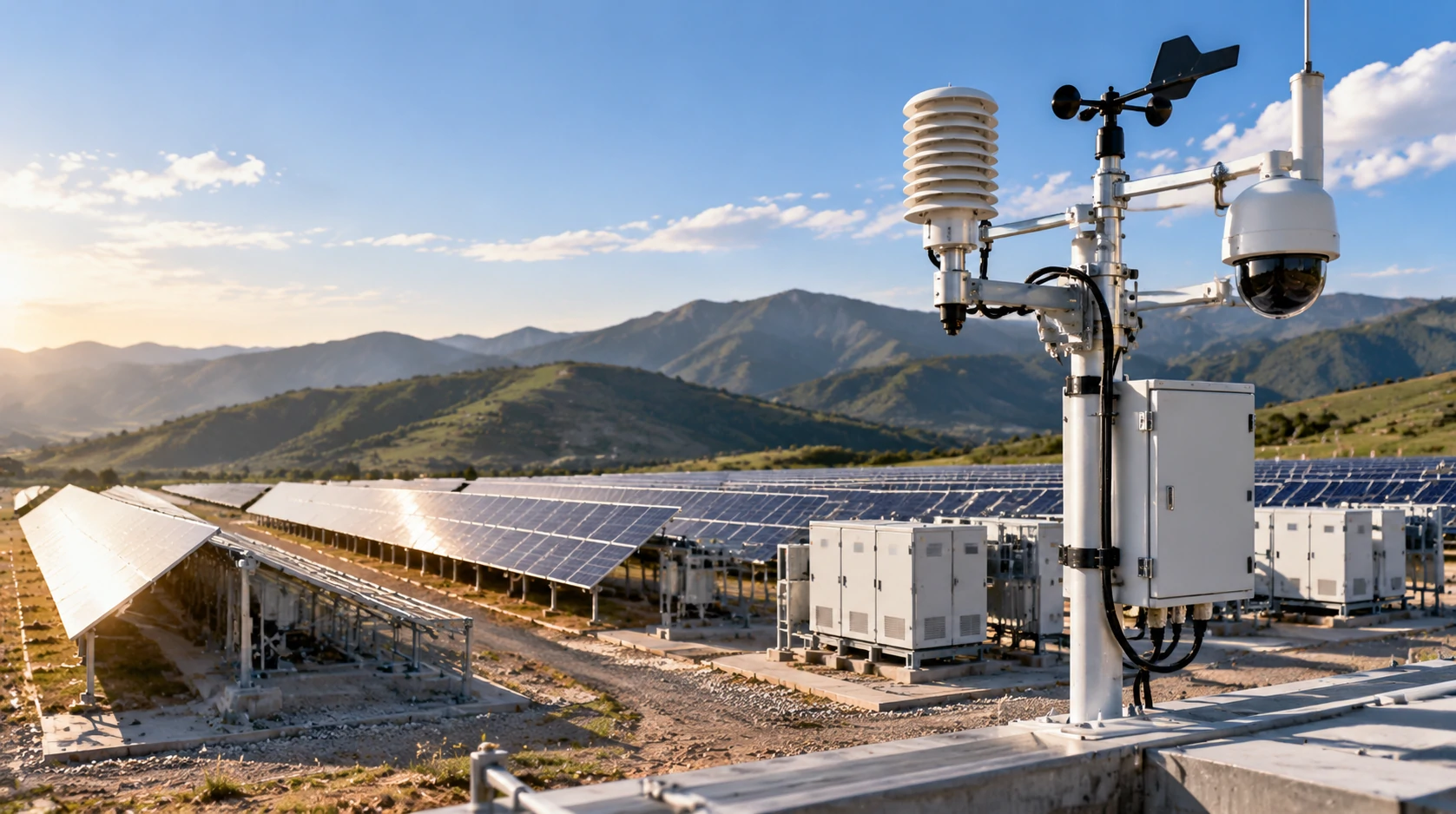
A solar analytics platform typically collects data from solar inverters, PV modules and strings, weather monitoring systems, energy meters, SCADA platforms, inspection devices, and historical operation records.
The collected information is analyzed to understand how efficiently the PV plant is operating, which equipment is underperforming, where energy losses occur, and what maintenance actions should be prioritized.
Instead of simply displaying numbers, analytics systems transform PV data into operational recommendations.
How Data Improves PV Power Generation
Traditional photovoltaic monitoring systems usually focus on equipment alarms and fixed operating thresholds. However, many PV performance issues develop gradually and may not trigger immediate warnings.
For example, one inverter may produce less energy than similar units, a PV string may show abnormal output patterns, or a section of modules may experience reduced efficiency due to environmental or equipment-related factors.
Solar energy analytics compares current operating conditions with historical data and similar equipment groups to identify these differences. By analyzing performance trends, operators can discover hidden problems before they create significant generation losses.
This data-driven approach helps PV operators understand not only what happened, but also where the problem occurred and what actions should be taken next.
Key Capabilities of Solar Energy Analytics Platforms
Data integration
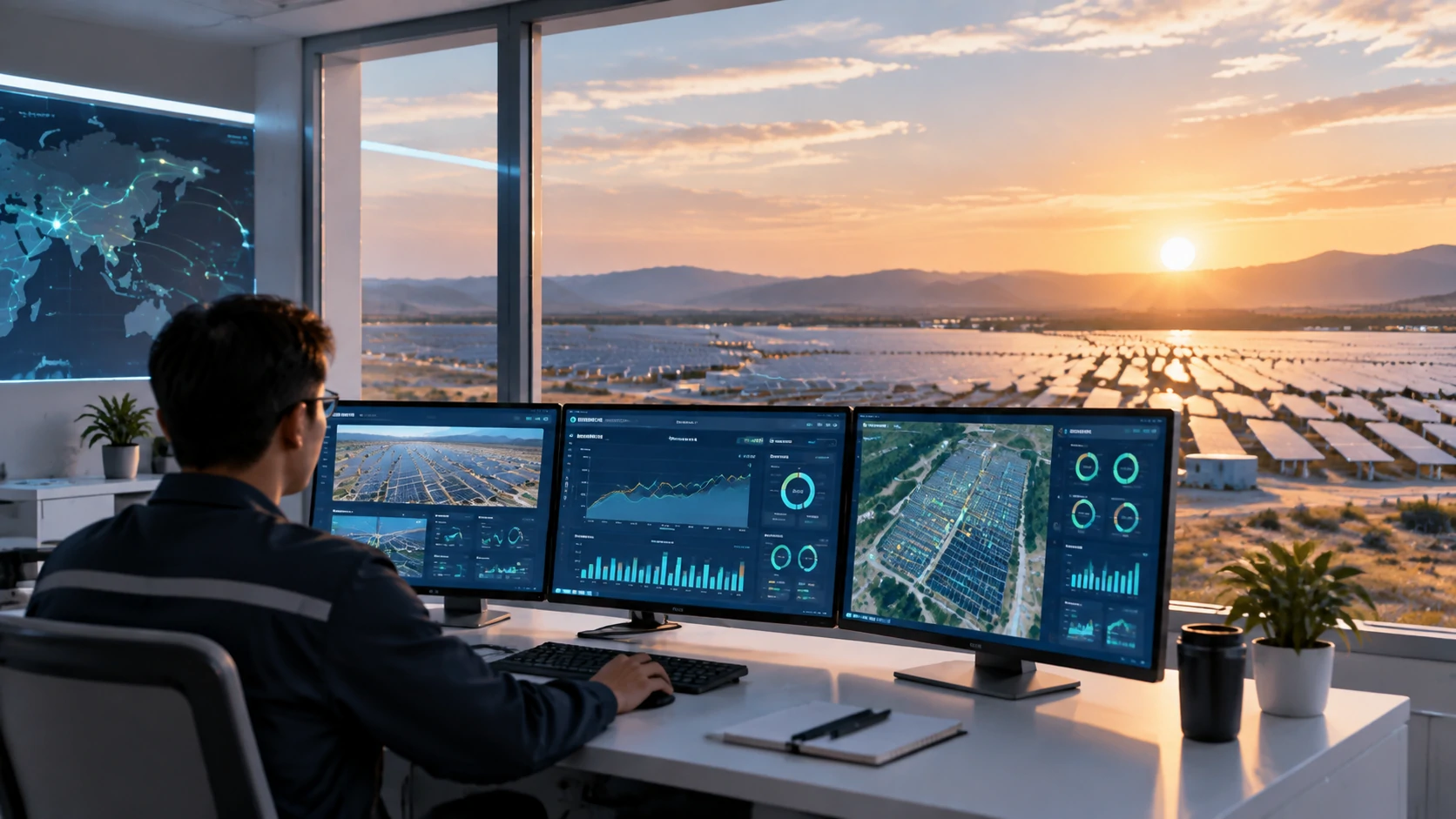
A solar analytics platform connects multiple PV data sources, including inverters, sensors, SCADA systems, inspection devices, and historical records, into one centralized environment.
Performance benchmarking
Analytics systems compare equipment performance horizontally and vertically to identify abnormal behavior and efficiency differences.
AI-based anomaly detection
Artificial intelligence algorithms recognize complex operating patterns and identify unexpected output reduction, equipment behavior changes, and potential risks.
Smart O&M decision support
Analytics results help maintenance teams prioritize actions based on performance impact, urgency, and operational conditions.
How Solar Analytics Supports Predictive Maintenance
Predictive maintenance uses operational data to identify early warning signals before equipment failures occur. Instead of waiting for a fault alarm, operators can analyze changing equipment behavior and take preventive action.
Solar energy analytics can evaluate temperature changes, repeated alarm patterns, output fluctuations, efficiency decline trends, and equipment behavior changes.
By understanding these patterns, maintenance teams can schedule inspections at the right time, reduce unnecessary field work, and improve the reliability of photovoltaic assets.
Solar Energy Analytics Workflow
Collect PV operating data
PV systems collect operational information from inverters, sensors, monitoring platforms, inspection devices, and other field equipment.
Process and standardize data
Collected information is cleaned, organized, and prepared for analysis to ensure consistent evaluation across different PV assets.
Evaluate performance trends
Analytics models analyze equipment behavior, generation efficiency, and historical operating patterns to identify abnormal conditions.
Identify potential risks
The system highlights hidden performance losses, abnormal equipment conditions, and areas requiring further inspection.
Improve maintenance decisions
Operators use analytical insights to optimize inspection planning, reduce downtime, and improve photovoltaic system performance.
Benefits of Solar Energy Analytics
Improved power generation efficiency
Data-driven analysis helps identify hidden energy losses and provides insights for improving photovoltaic system performance.
Faster problem detection
Operators can discover abnormal trends earlier and reduce the impact of equipment problems on power generation.
Reduced O&M costs
Intelligent analytics reduces unnecessary inspections and helps maintenance teams allocate resources more efficiently.
Better asset management
Historical operating data supports long-term photovoltaic asset optimization and more reliable operational planning.
The Future of Data-Driven Solar Operations
As global photovoltaic capacity continues to expand, solar operators need more intelligent methods to manage increasingly complex assets.
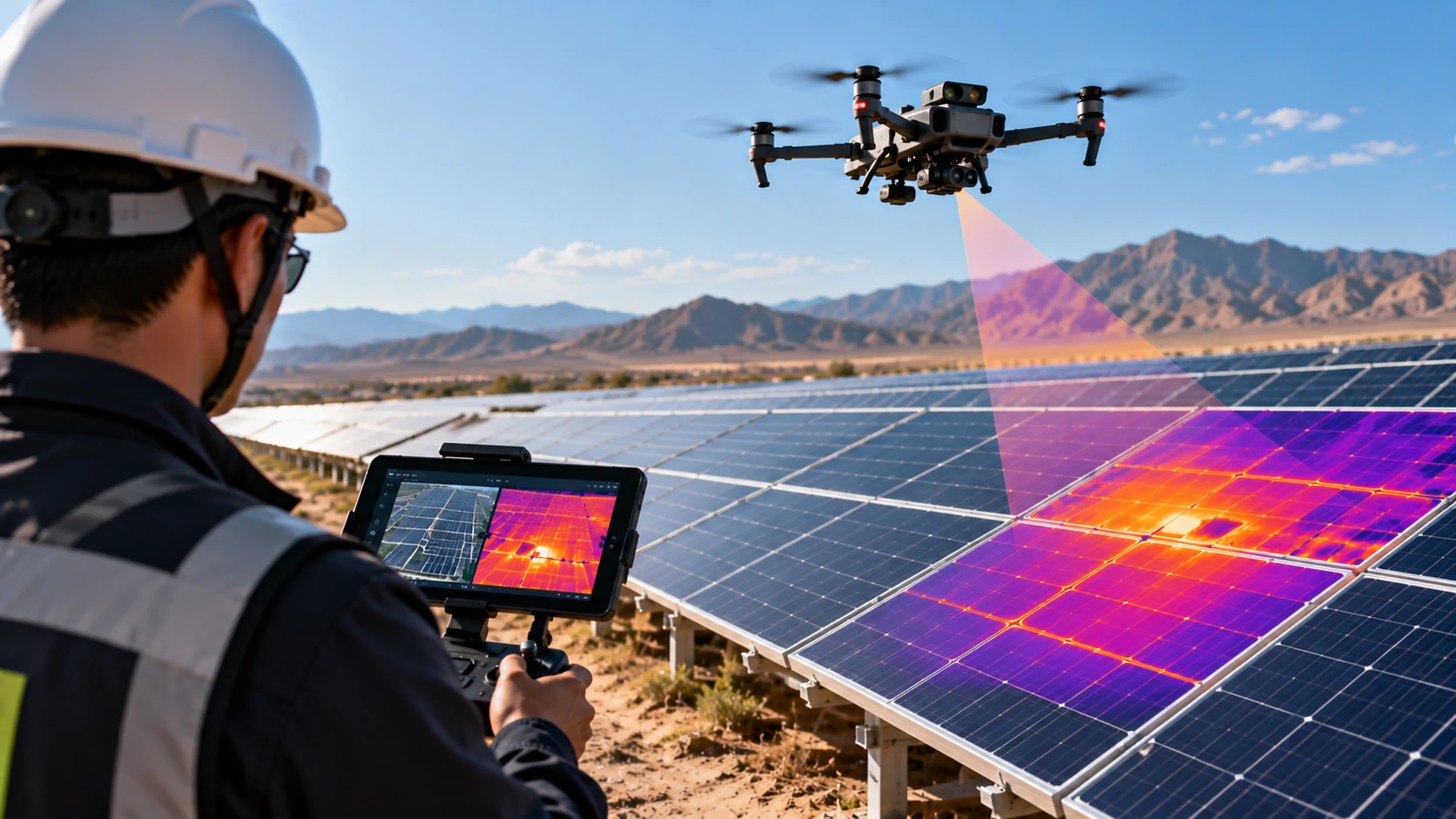
Future PV power plants will combine solar energy analytics, AI monitoring, edge computing, drone inspection, digital platforms, and predictive maintenance technologies.
These technologies will help operators improve efficiency, reduce operational risks, and maximize renewable energy production throughout the photovoltaic asset lifecycle.
WThink provides intelligent renewable energy solutions that combine data analytics, smart monitoring, AI technologies, and digital management platforms to support the next generation of photovoltaic operations.
Solar energy analytics transforms photovoltaic data into valuable operational intelligence. By analyzing equipment performance, identifying hidden losses, and supporting smarter maintenance decisions, data-driven solutions help PV operators improve power generation efficiency and build more reliable solar assets.
Frequently asked questions
What is solar energy analytics?
Solar energy analytics uses data processing, AI, machine learning, and performance analysis technologies to evaluate photovoltaic system operation and identify opportunities for optimization.
Why is data important for PV power generation?
PV operational data helps operators understand equipment performance, detect hidden losses, identify abnormal conditions, and make better maintenance decisions.
How does AI improve photovoltaic performance analysis?
AI analyzes large volumes of operational data and recognizes abnormal patterns that may indicate efficiency reduction, equipment issues, or potential risks.
What data does a solar analytics platform collect?
A solar analytics platform can collect inverter data, PV string performance, weather information, energy measurements, SCADA data, inspection records, and historical operation information.
How does solar analytics support PV O&M?
Solar analytics helps operators prioritize maintenance tasks, detect problems earlier, reduce unnecessary inspections, and improve photovoltaic asset reliability.