Turning PV Plant Data into Maintenance Decisions
As photovoltaic power plants continue to expand in scale, operators face increasing challenges in managing thousands of solar modules, inverters, transformers, sensors, and other critical assets. While modern PV plants generate massive amounts of operational data every day, collecting data alone is not enough to improve performance.
Introduction
The real value of solar asset monitoring comes from transforming raw operational information into meaningful insights that help operators identify risks, optimize maintenance schedules, and improve long-term energy production.
By combining intelligent monitoring, AI analytics, equipment performance analysis, and centralized management platforms, solar asset monitoring systems help PV operators move from traditional reactive maintenance toward proactive asset management.
Why Solar Asset Monitoring Is Essential for PV Plants
Large-scale photovoltaic plants operate in complex environments where equipment performance can be affected by weather conditions, component aging, soiling, shading, electrical faults, and operational limitations.
Traditional O&M methods often depend on periodic inspections and manual analysis of system alarms. However, many performance issues do not immediately trigger obvious faults.
For example:
- A single inverter may gradually lose efficiency without generating a critical alarm.
- Individual PV strings may produce less power due to connector issues or module degradation.
- Environmental changes may reduce output even when equipment remains online.
Without continuous data analysis, these hidden losses can accumulate and reduce overall plant efficiency.
Solar asset monitoring provides operators with continuous visibility into equipment status, performance trends, and potential risks.
What Is a Solar Asset Monitoring System?
A solar asset monitoring system is a digital platform that collects, analyzes, and manages operational data from photovoltaic assets.
Unlike traditional monitoring systems that mainly display real-time parameters and alarms, intelligent solar monitoring platforms analyze relationships between different data sources to identify abnormal patterns and support maintenance decisions.
A typical solar asset monitoring solution integrates:
- PV generation data
- Inverter operating status
- Weather and environmental information
- Equipment alarms
- Historical performance records
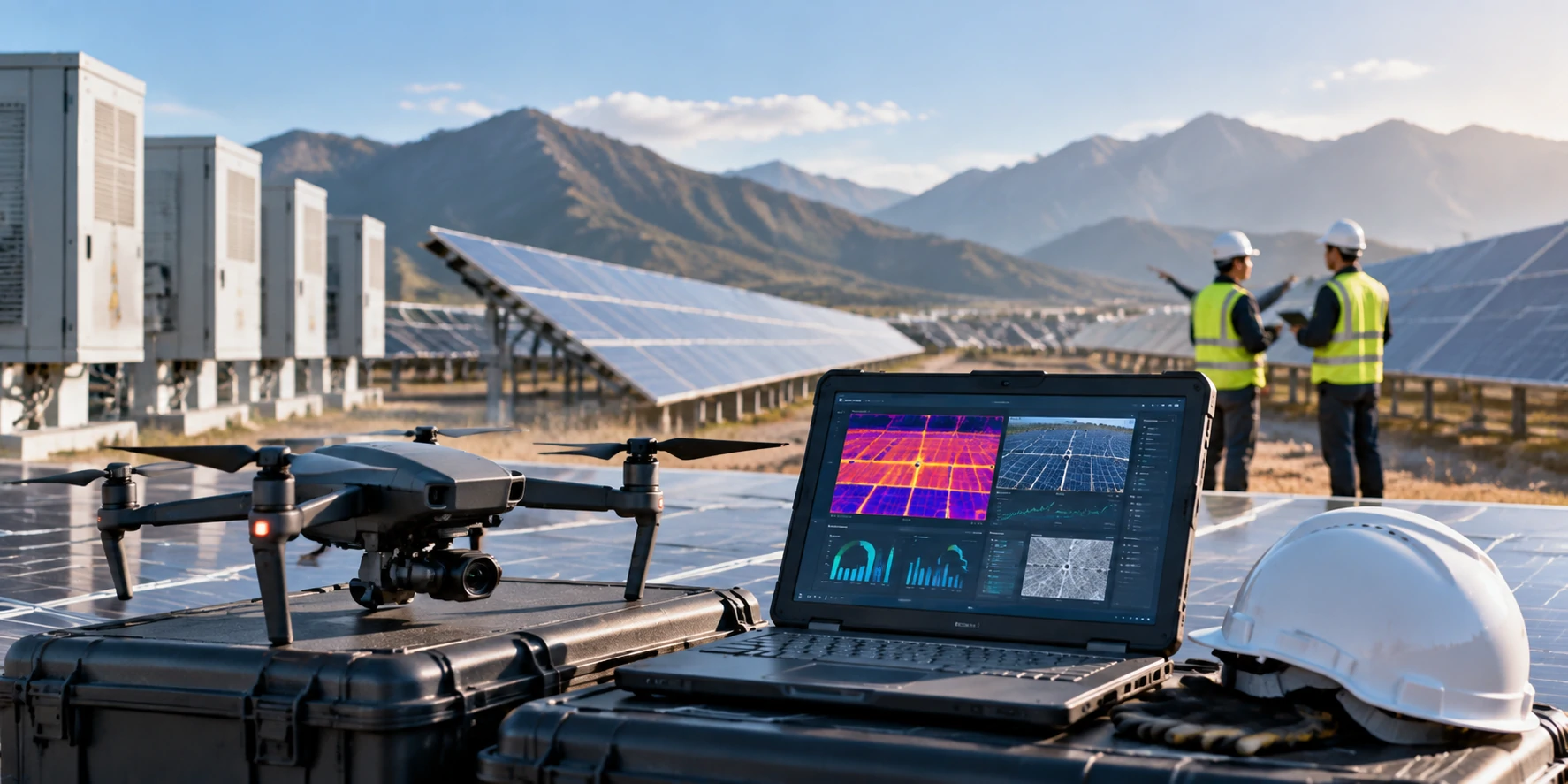
- Inspection images and video data
- AI-based diagnostic results
By connecting these data sources, operators can understand not only what happened, but also why it happened and what action should be taken next.
How PV Plant Data Becomes Maintenance Decisions
Data Collection and Integration
Solar asset monitoring platforms first collect operational data from different equipment and systems.
Data sources may include:
- Solar inverters
- Combiner boxes
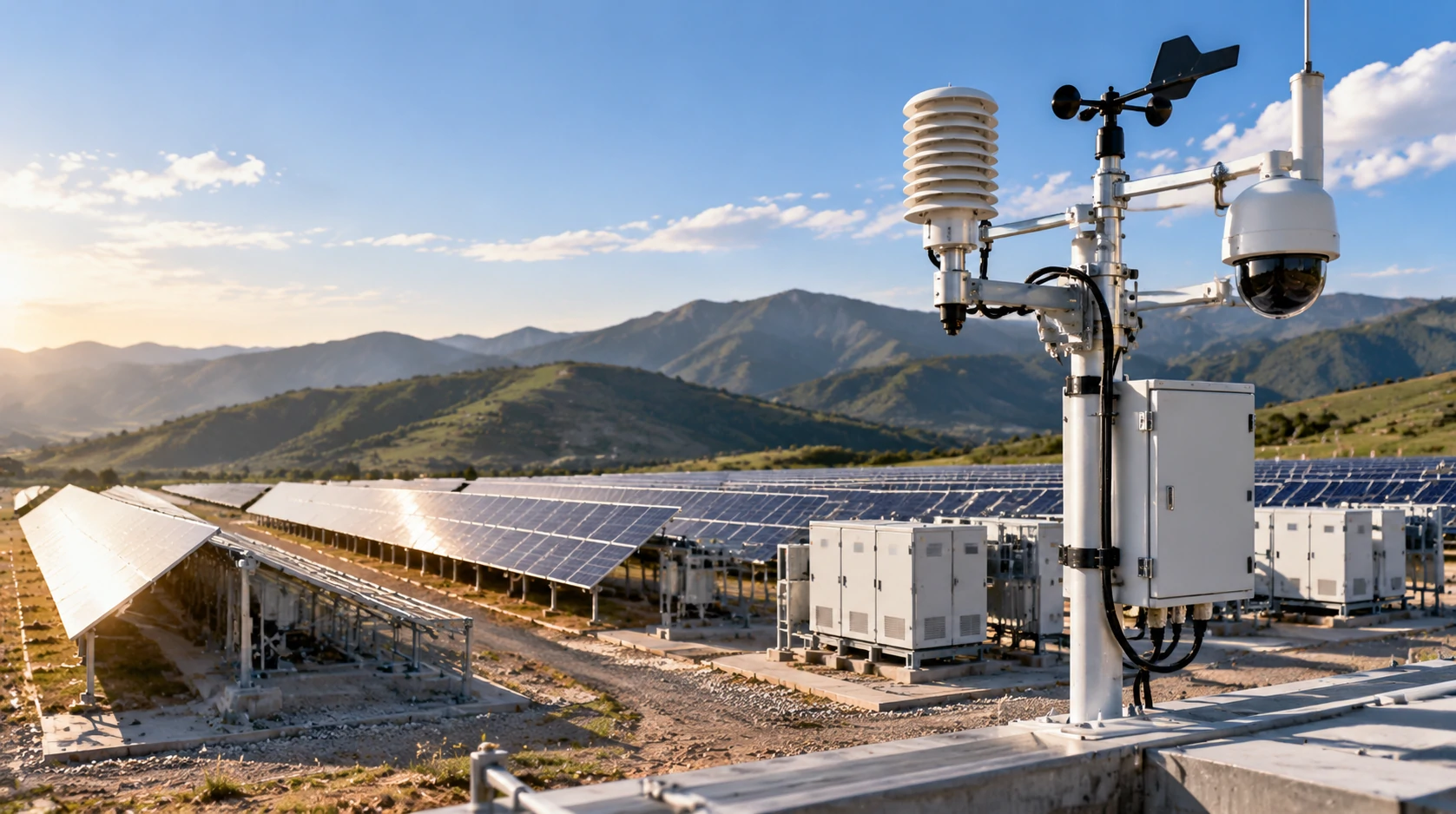
- Weather stations
- Energy meters
- Monitoring devices
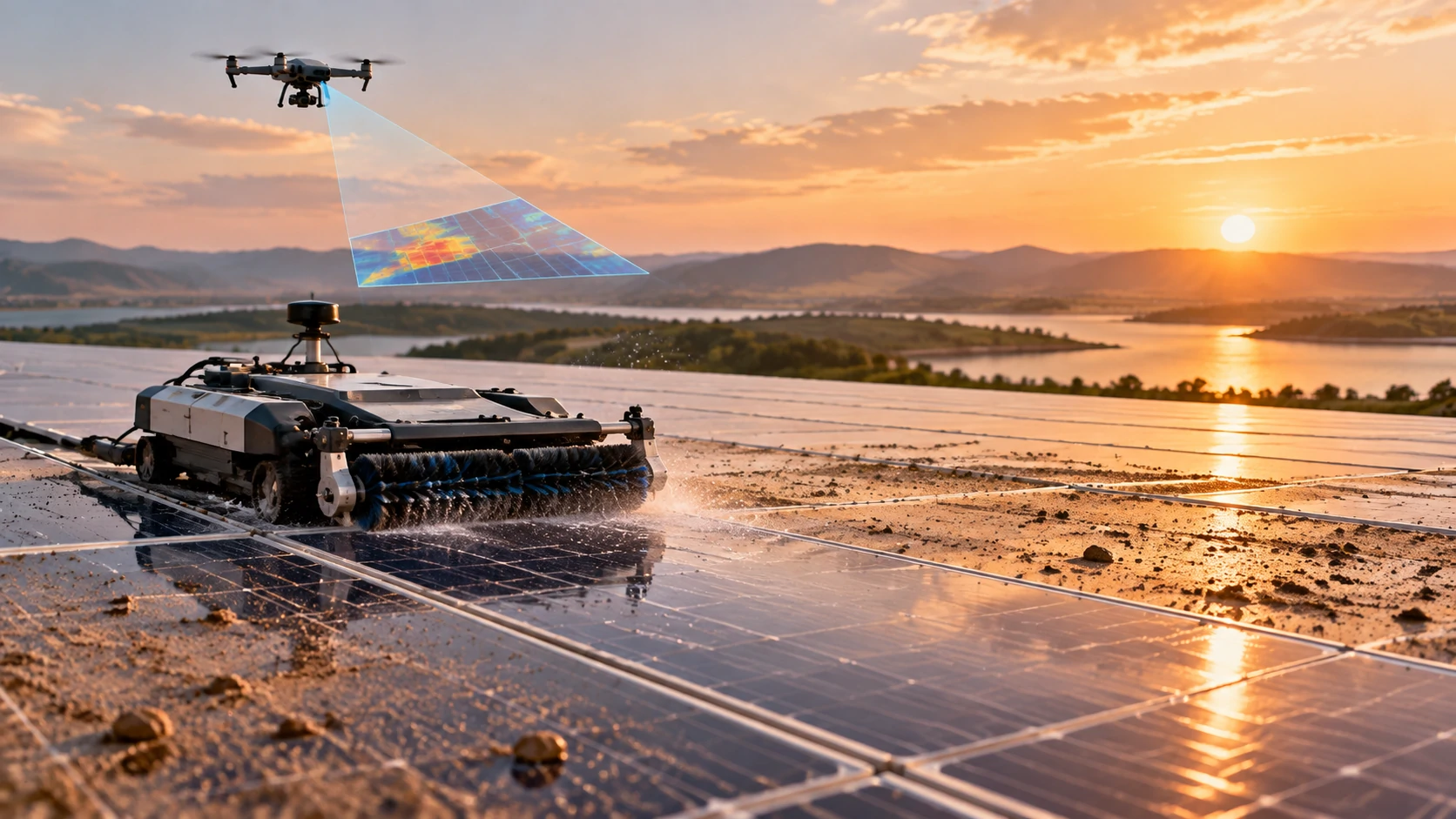
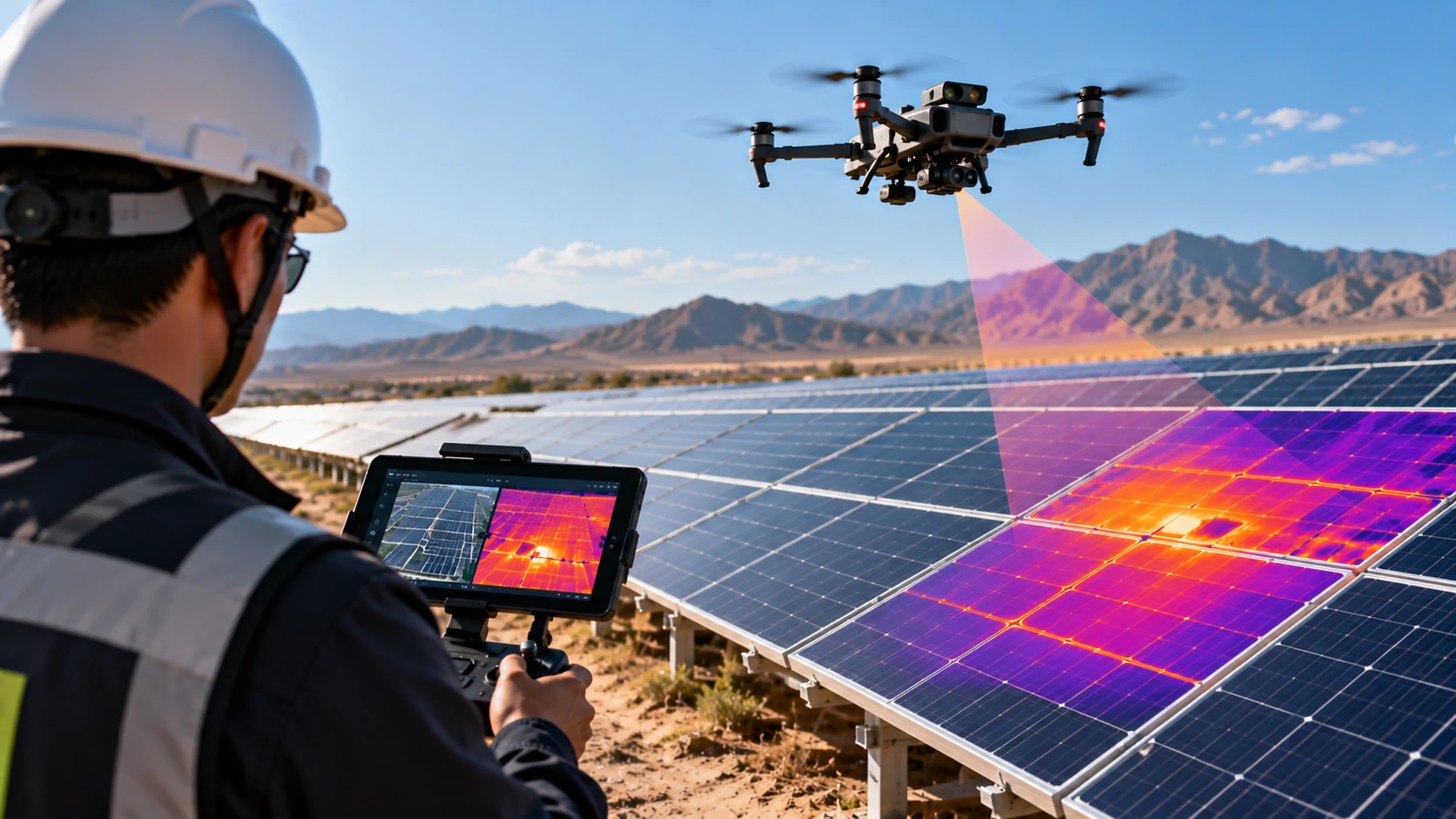
- Drone inspection systems
The collected data is standardized and organized to create a unified view of PV plant operation.
Performance Analysis and Comparison
PV plants contain thousands of similar components, making performance comparison an effective way to identify abnormal assets.
The system can compare:
- Different inverters under similar conditions
- PV strings within the same area
- Historical output trends
- Actual generation versus expected performance
When one asset performs significantly below comparable equipment, the system can highlight potential efficiency problems for further inspection.
AI-Based Anomaly Detection
AI analytics help identify issues that traditional threshold-based monitoring may miss.
By analyzing operational patterns, AI can detect:
- Unexpected power reduction
- Abnormal inverter behavior
- Performance deviation between similar assets
- Long-term efficiency decline
- Potential equipment degradation
Instead of waiting for equipment failure, operators can take preventive action based on early warning signals.
Maintenance Prioritization
Not every abnormal condition requires immediate field intervention.
Solar asset monitoring helps maintenance teams prioritize issues based on:
- Performance impact
- Equipment importance
- Risk level
- Historical failure patterns
This allows operators to focus resources on problems that have the greatest influence on power generation and asset reliability.
Key Capabilities of Smart Solar Asset Monitoring
Centralized Asset Management
A centralized platform provides unified visibility across multiple PV plants, allowing operators to monitor equipment status, alarms, and performance indicators from one interface.
Intelligent Performance Evaluation
The system analyzes generation efficiency, equipment behavior, and historical trends to identify underperforming assets.
Early Warning Management
Abnormal conditions are detected automatically and converted into actionable alerts for faster response.
Data-Driven Maintenance Support
Historical records and diagnostic results support predictive maintenance strategies and long-term asset optimization.
Benefits of Solar Asset Monitoring
Improve PV Plant Efficiency
Continuous performance analysis helps identify hidden energy losses and improve overall generation capability.
Reduce Manual Monitoring Pressure
Large volumes of operational data are automatically analyzed, reducing the need for operators to manually review multiple systems.
Shorten Fault Response Time
Early warnings allow maintenance teams to locate problems faster and reduce unnecessary downtime.
Support Predictive O&M
Historical operating data provides a foundation for forecasting equipment conditions and planning maintenance activities.
The Future of PV Asset Management
As photovoltaic projects continue to grow in size and complexity, intelligent asset management will become increasingly important.
Future PV operations will rely on the combination of:
- AI-powered analytics
- Digital monitoring platforms
- Drone inspection
- Edge computing
- Automated decision support
These technologies enable operators to manage renewable energy assets more efficiently while improving reliability and long-term returns.
WThink provides intelligent photovoltaic solutions that combine monitoring, analytics, and digital management technologies to help solar operators build smarter and more efficient PV power stations.
Solar asset monitoring transforms PV plant data into meaningful maintenance insights, helping operators identify risks, prioritize maintenance activities, and improve long-term asset performance.
Frequently Asked Questions
What is solar asset monitoring?
Solar asset monitoring is a digital approach that collects and analyzes PV plant operational data to track performance, detect abnormalities, and support maintenance decisions.
How does solar monitoring improve PV maintenance?
It helps maintenance teams identify hidden performance losses, prioritize problems, and take action before small issues become larger failures.
What data does a solar asset monitoring platform analyze?
It can analyze power generation data, inverter status, environmental conditions, alarms, inspection results, and historical operating trends.
Can solar asset monitoring support multiple PV plants?
Yes. Centralized monitoring platforms can integrate data from multiple photovoltaic sites and provide unified management for distributed renewable energy assets.
What is the difference between monitoring and intelligent O&M?
Traditional monitoring mainly displays operating information, while intelligent O&M uses analytics and AI to interpret data and support proactive maintenance decisions.