WThink helped upgrade a 135MW existing PV station in Xinjiang into an unmanned smart station by connecting drones, rail robots, dual-spectrum monitoring, digital meters, access control, fire protection, and AI behavior analysis into one unified operations platform.
Project background
The customer operated an existing PV station with about 135MW of installed capacity and a site area of approximately 4.26 million square meters. The station already had video surveillance, fire protection, access control, and production monitoring systems, but each system worked mostly on its own.
The large PV field made manual patrols difficult to scale. At the booster station, staff still had to check meters, switch positions, indicator lights, and equipment temperatures one by one. After strong wind, snow, rain, or other extreme weather, the operator also needed a faster way to verify the condition of PV modules, lines, and key equipment.
The upgrade was designed to support unmanned operation while reusing existing systems and adding the missing layers for sensing, inspection, AI analysis, alarm response, and closed-loop maintenance.
Smart station upgrade
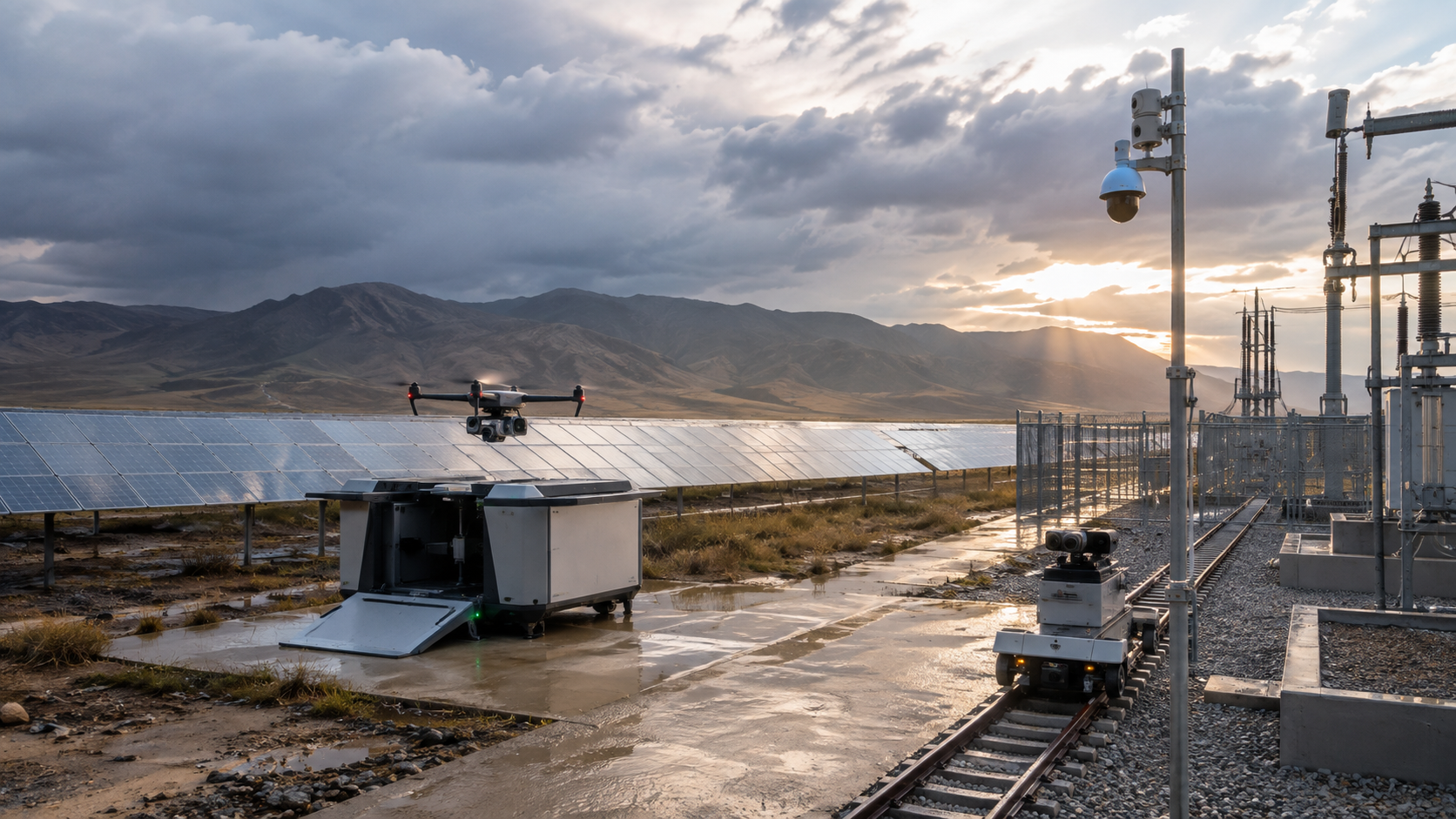
WThink deployed an integrated smart station platform that connects drone docks, rail-mounted robots, dual-spectrum cameras, close-up meter cameras, smart access control, fire protection systems, environmental monitoring, and AI analytics into one operating workflow.
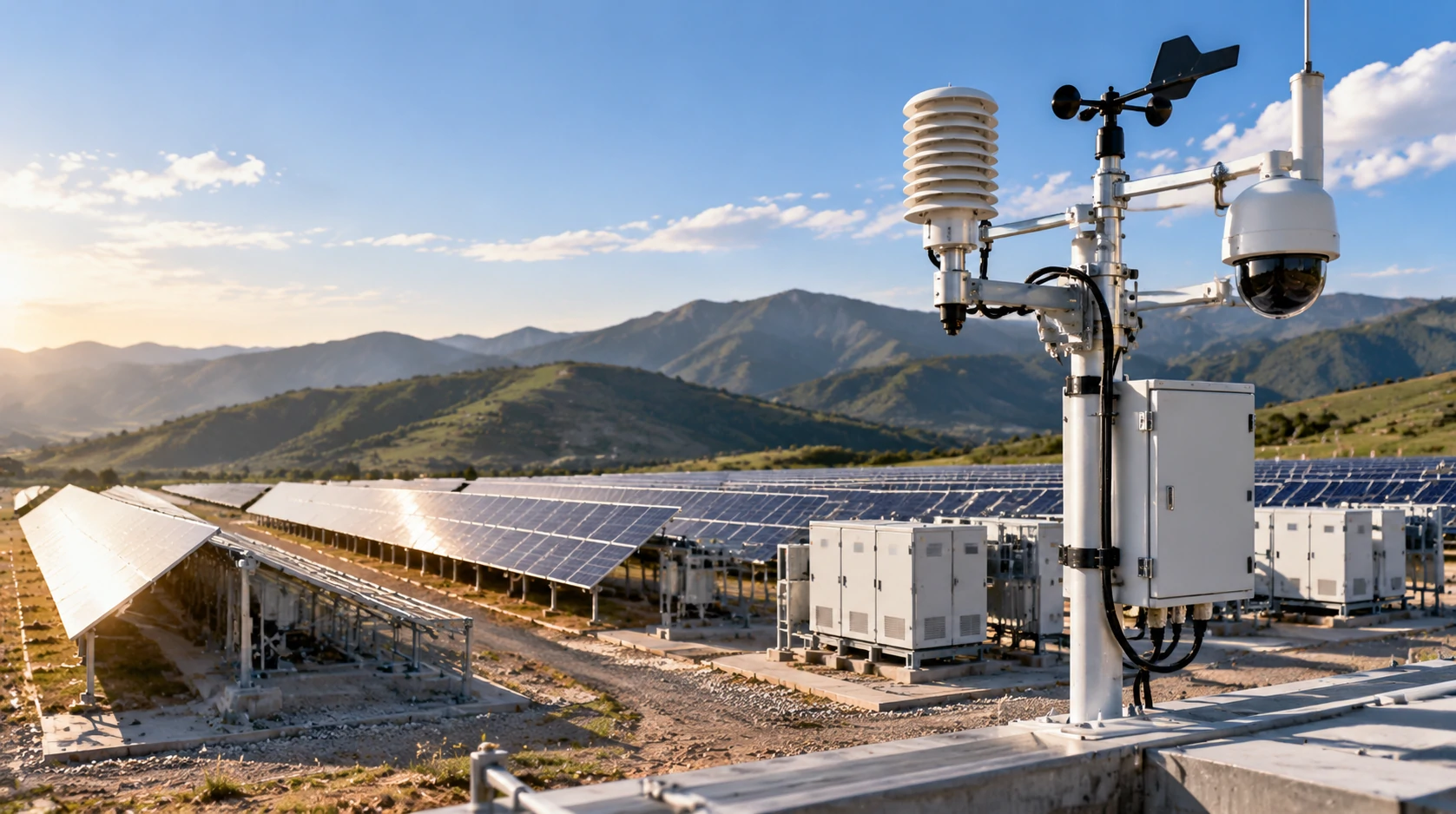
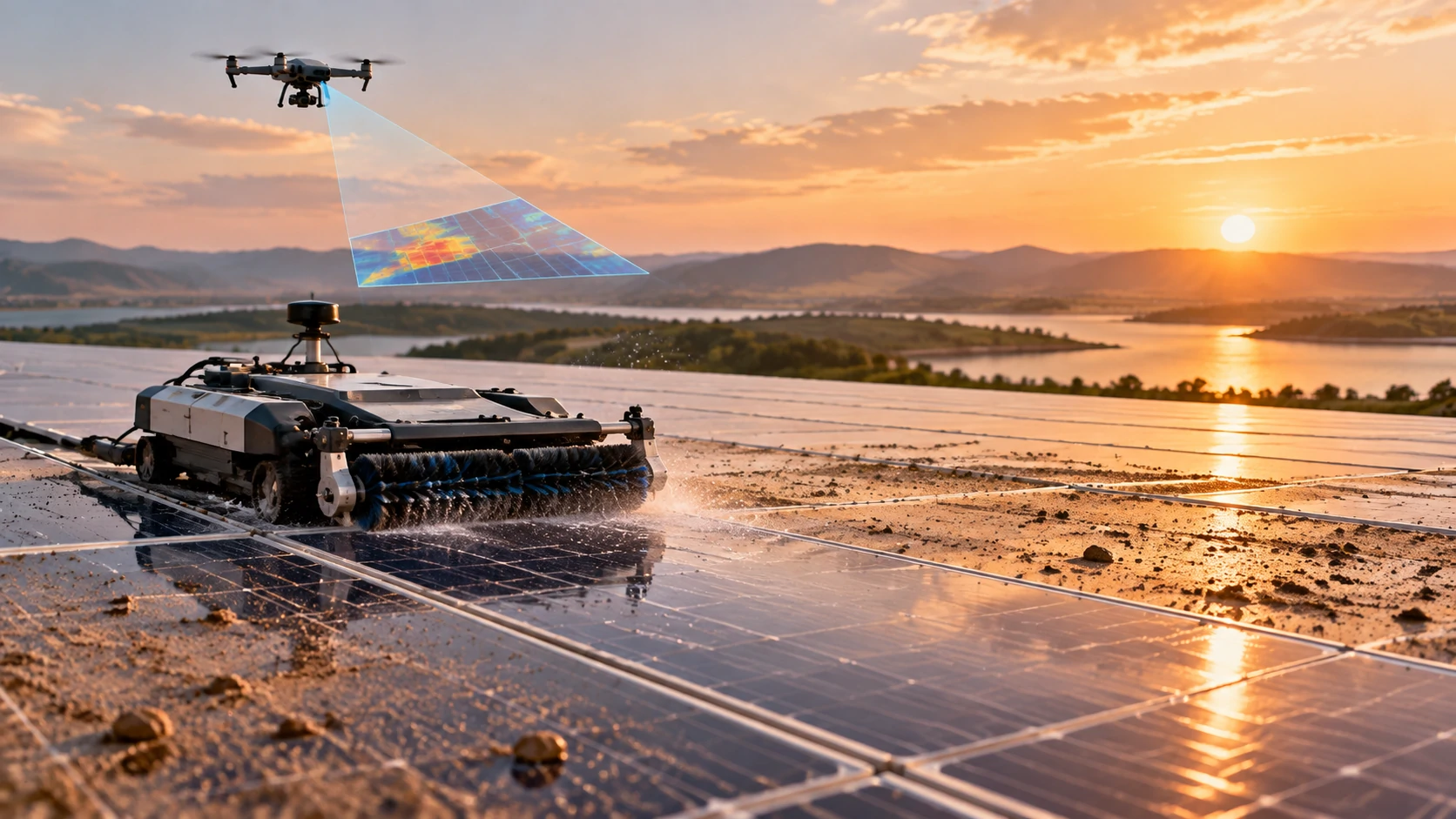
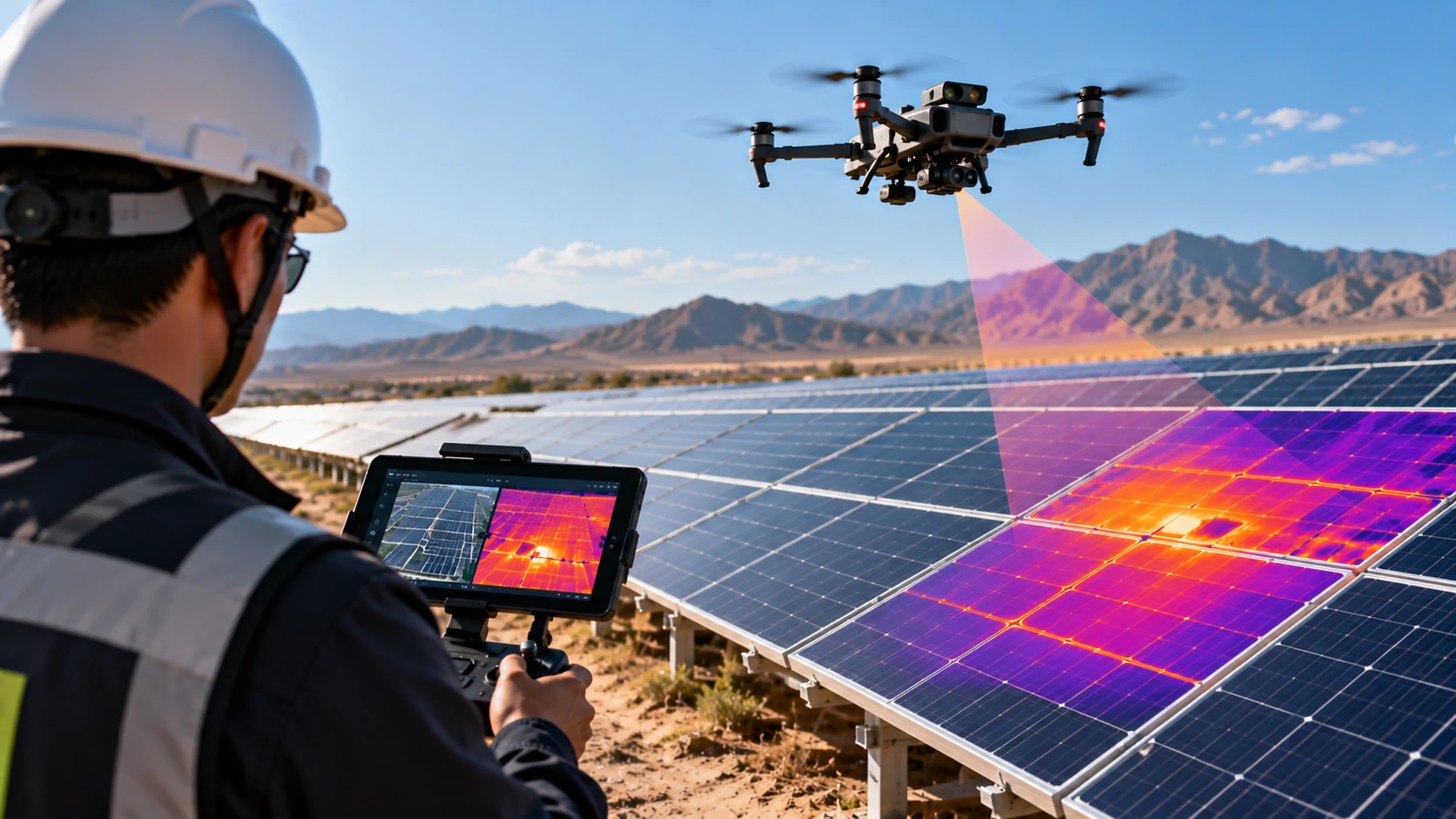
Drones handle scheduled PV module inspections and emergency inspections after extreme weather. Rail robots inspect high-voltage rooms and relay protection rooms, reading meters, checking indicator lights, and identifying equipment status. Dual-spectrum cameras monitor fire points, smoke, and abnormal temperature in the PV field and key buildings.
Key capabilities
Drone inspection
Automated flight routes support routine PV module inspection and remote emergency inspection after extreme weather.
Rail robot patrol
Indoor robots inspect high-voltage rooms and relay protection rooms, checking meters, indicators, switches, and equipment status.
Fire and temperature monitoring
Dual-spectrum cameras monitor smoke, fire points, and abnormal temperature across the PV field and key equipment areas.
Digital meter reading
Close-up cameras capture mechanical meter images, while AI recognition extracts readings and triggers threshold-based alerts.
Operational results
After the upgrade, the station supports coordinated inspection across the PV field, indoor booster station areas, and key equipment points. Routine inspections can run automatically on schedule, while emergency inspections can be launched remotely before sending personnel to the site.
Fire, temperature, intrusion, and unsafe behavior risks are actively detected and pushed to operators, reducing dependence on after-the-fact video review. Mechanical meter reading and indoor inspection are digitized, cutting repetitive field work and improving inspection consistency.
Less repetitive field work
Drones, robots, and digital meters reduce routine manual patrols and repeated on-site checks.
Faster risk response
Fire, temperature, intrusion, and behavior alerts can be detected and pushed to operators in time.
Better emergency visibility
After extreme weather, remote drone inspection helps operators verify site conditions before dispatching crews.
Reduced on-site staffing
The upgraded model reduced six permanent on-site positions while improving daily inspection and response capability.
This 135MW PV smart station upgrade shows how drones, rail robots, dual-spectrum monitoring, digital meters, AI behavior analysis, and a unified platform can help existing solar stations move toward unmanned operation. For large PV assets, the value is not only fewer manual patrols, but faster risk detection, better inspection coverage, and a more scalable O&M model.