

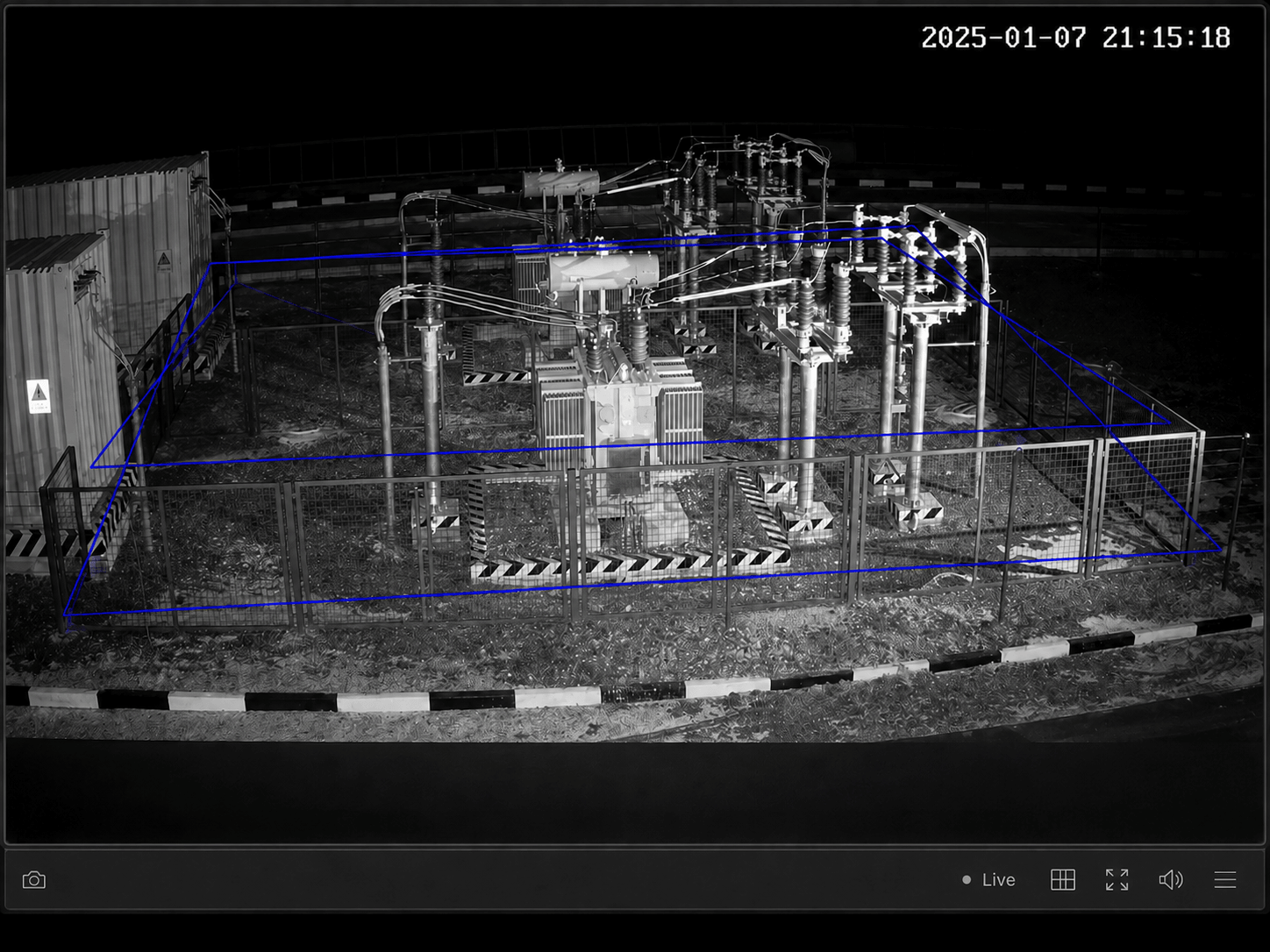
Project Background and the Complex Hazards of Thermal Generation
Operating a high-capacity thermal power plant involves managing intense physical environments characterized by high temperatures, extreme steam pressures, and massive electrical currents. At a 2x660MW coal-fired power facility, the high-voltage transformer yards, turbine halls, and high-pressure steam piping networks represent critical nodes where safety and reliability are paramount. Under these demanding conditions, small operational anomalies can escalate rapidly. Traditional safety monitoring relied heavily on manual walk-throughs by maintenance staff or passive CCTV surveillance, which required operators to watch multiple screens continuously. This passive approach often failed to detect early indicators of equipment failure, such as micro-leaks, localized structural shifting, or slow temperature rises, exposing the plant to severe operational and safety risks.
The Limits of Passive Monitoring and Manual Audits
The drawbacks of manual safety audits were particularly evident during nighttime operations and inside sprawling outdoor substation yards. Overheating components in high-voltage transformers or minor oil and steam leaks along high-pressure lines are often invisible to the naked eye under normal lighting. If left undetected, localized overheating can trigger catastrophic electrical fires, while oil or steam leaks can cause severe damage to adjacent equipment and threaten the safety of field personnel. Furthermore, ensuring continuous compliance with safety protocols, such as verifying that personnel wear proper personal protective equipment (PPE) and avoid restricted high-voltage zones, was extremely difficult to enforce across a sprawling, multi-hectare facility without continuous automated assistance.
Deploying WThink’s Intelligent Edge-Computing Safety System
To establish a proactive safety network, the thermal plant deployed WThink’s AI-Powered Safety & Fault Detection system. This comprehensive solution utilizes high-resolution dual-spectrum (optical and thermal infrared) smart cameras strategically positioned around the plant’s high-risk infrastructure. These intelligent sensors are linked directly to an on-site edge-computing platform running specialized convolutional neural networks. By analyzing multiple high-definition video feeds locally, the system performs real-time, multi-task safety assessments, transforming the plant’s surveillance infrastructure from a simple recording tool into an active, automated protective shield.
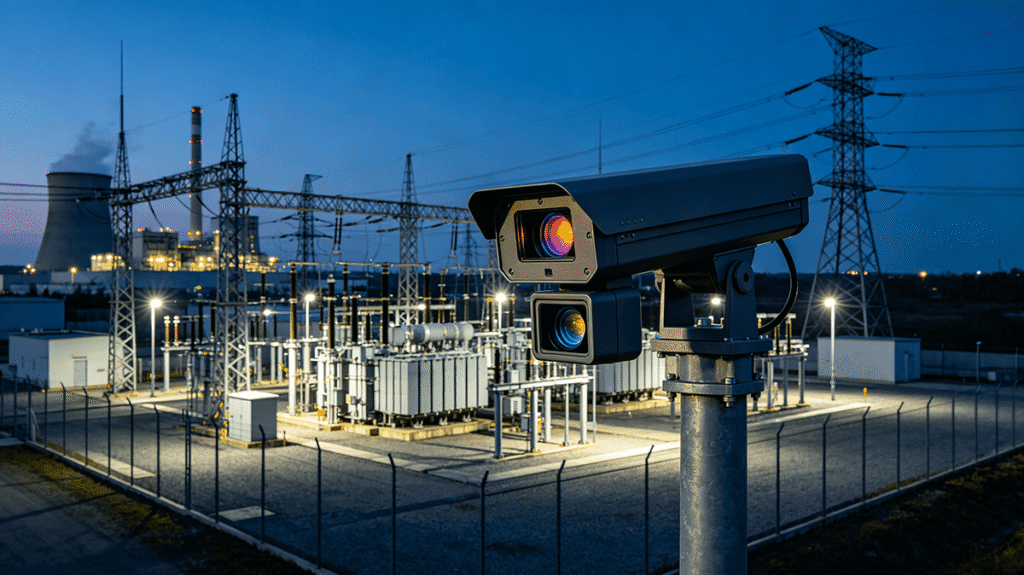
Multi-Threat Identification and Virtual Fencing
The intelligent detection platform continuously monitors high-risk areas using specialized, multi-layered visual analytics. The system establishes dynamic three-dimensional virtual fences around the perimeter of high-voltage enclosures, automatically detecting any unauthorized human or animal entry while filtering out non-threatening movements like blowing wind or small debris. Simultaneously, the thermal imaging channel performs continuous radiometric surface temperature scans of critical transformer connections and high-pressure steam pipelines. If a component exhibits anomalous heat accumulation, the platform flags the temperature rise as an early warning of potential failure. Furthermore, specialized optical AI models analyze the visible spectrum to detect early-stage smoke or pressurized oil-mist leakage, allowing operators to intervene long before a physical fire ignites.
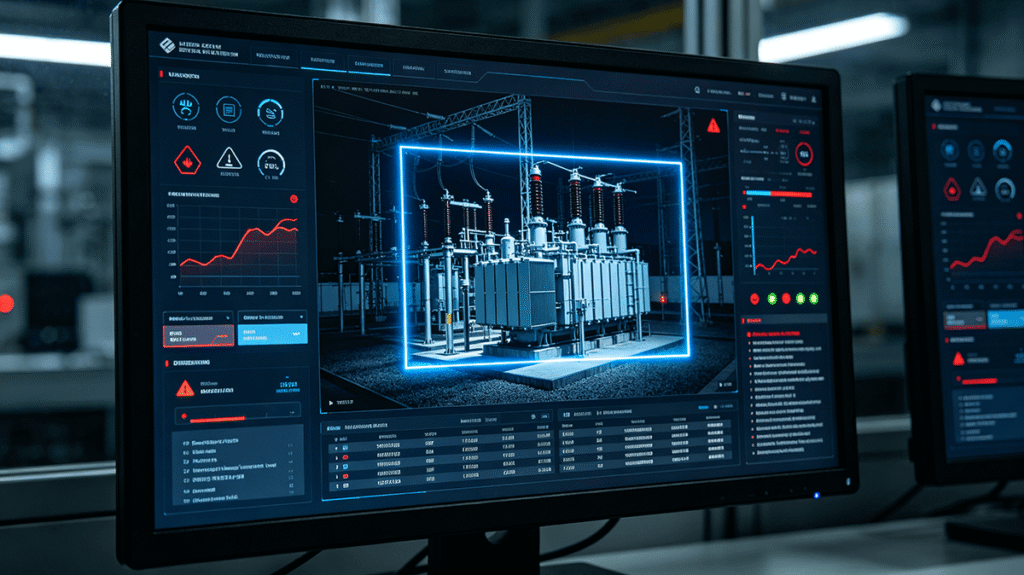
Operational Results and Asset Protection
The implementation of WThink’s AI-Powered Safety & Fault Detection system has significantly improved the safety standards and operational resilience of the thermal power plant. The automated system has successfully converted the facility’s safety monitoring from a reactive response to a highly precise, preventative paradigm. By identifying localized hot spots and minor fluid leaks at an early stage, the platform has allowed the maintenance team to schedule targeted repairs during routine maintenance windows, preventing unplanned forced outages and protecting high-value generation assets. Additionally, safety compliance in high-hazard zones has improved markedly without requiring manual policing, establishing a robust, round-the-clock safety standard for modern thermal power infrastructure.