

Project Background and the Challenges of Aging Wind and Storage Assets
In utility-scale wind power generation, operators are increasingly integrating wind turbines with high-voltage substations, grid controllers, and battery energy storage systems to stabilize power output and meet modern grid requirements. At a large-scale hybrid wind-storage power facility with assets approaching the mid-to-late phases of their design lives, maintaining long-term operational stability was a primary challenge. As equipment ages, components such as grid controllers, heavy-duty DC switches, and battery cells undergo natural degradation under continuous thermal and electrical stress. Traditional maintenance protocols at the facility were largely reactive, relying on manual scheduled checks that failed to capture the subtle signs of component fatigue before a failure occurred.
Limitations of Isolated Troubleshooting Records
When critical alerts occurred on-site—such as a grid controller offline error, a DC switch feedback discrepancy, or a drop in battery discharge capacity—technicians had to rely heavily on individual experience or bulky printed manuals to diagnose the issue. This manual troubleshooting process was highly inefficient and led to long repair times, keeping valuable wind turbines and storage units offline. Furthermore, because diagnostic details and successful repair methods were rarely documented in a structured, central repository, the facility struggled to build an organizational knowledge base. Without a standardized way to analyze recurring faults, the management team could not accurately predict remaining asset lifetimes or optimize their long-term capital expenditure plans.
Implementing WThink’s Lifecycle Optimization Solution
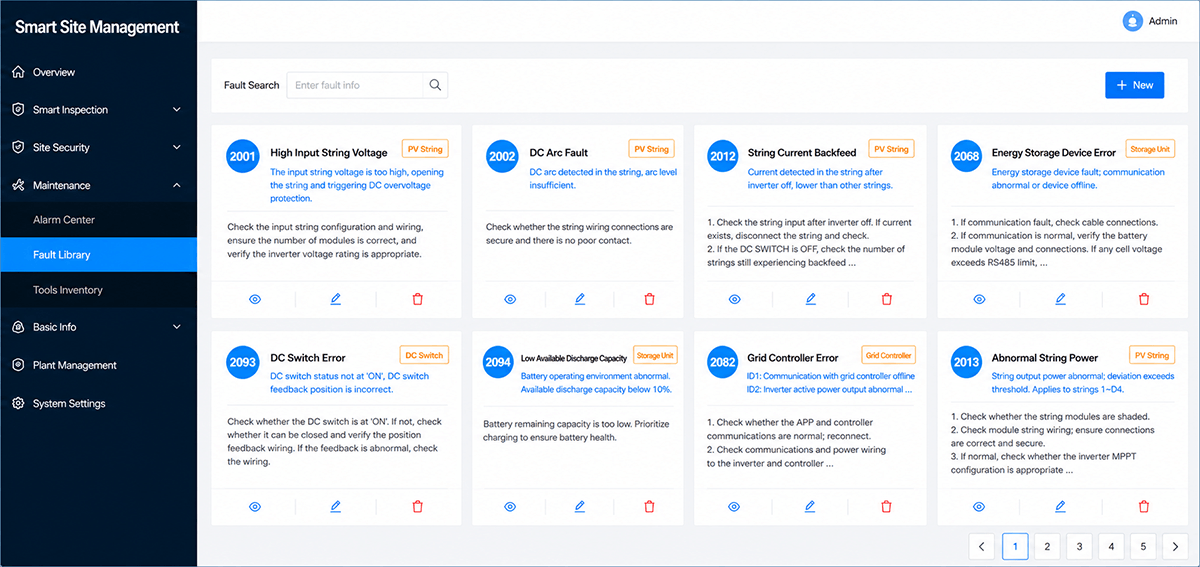
To address these diagnostic and asset planning challenges, the facility deployed WThink’s Smart Site Management system, featuring an integrated Fault Library and a centralized Lifecycle Optimization database. This platform serves as a digital knowledge center for the entire facility, consolidating sensor logs, turbine performance trends, drone inspection data, and manual repair records into a single, searchable digital repository. When an anomaly is detected anywhere in the wind-storage network, the system automatically references the Fault Library. Instead of simply generating a generic alarm code, the platform presents operators with a detailed digital card outlining the exact error definition, potential root causes, and standardized step-by-step troubleshooting instructions.
Standardized Field Remediation and Knowledge Sharing
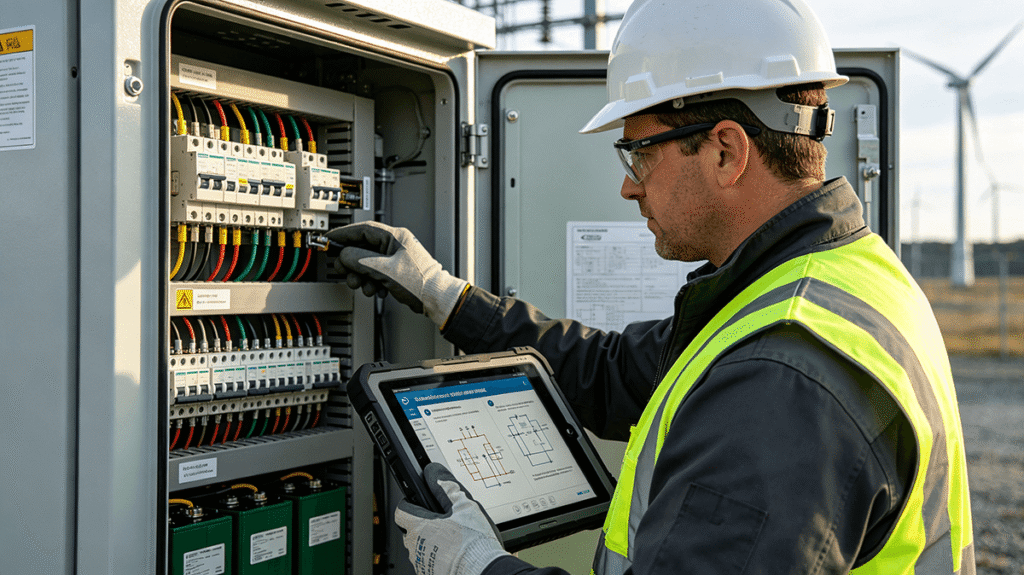
The deployment of the Fault Library has successfully standardized the troubleshooting process across the entire hybrid facility. When a critical issue like a “Grid Controller Error” or a “DC Switch Error” occurs, the platform automatically provides the technician with precise, verified instructions—such as checking the controller communications, verifying feedback wiring, or checking the hardware connections. Because these digital cards are accessible on mobile devices, field technicians can view these step-by-step schematics directly while working on-site. This instant access to collective organizational knowledge has significantly reduced repair times and minimized the risk of human error during complex electrical repairs, allowing younger technicians to work with the same precision as senior engineers.
Continuous Data-Driven Optimization and Long-Term Value
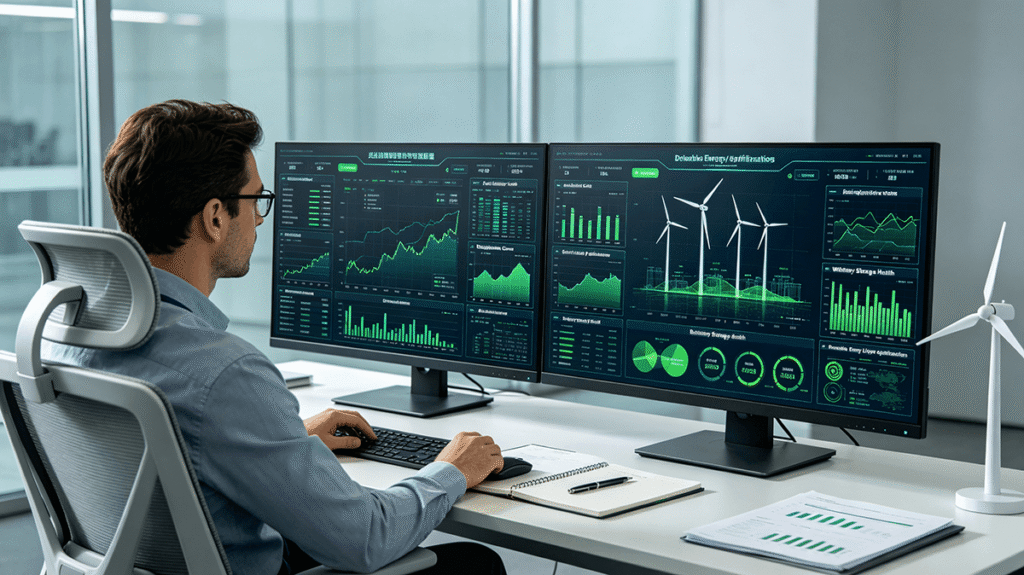
Over time, this continuous data loop facilitates deep lifecycle optimization and predictive maintenance. As technicians resolve issues and document their findings back into the system, the platform’s machine learning algorithms analyze these records to identify recurring failure trends. For instance, if the system detects frequent “Low Available Discharge Capacity” warnings in a specific storage subarray, it flags the battery string for proactive cell balancing before a catastrophic thermal event or a complete unit failure occurs. This transition from reactive repairs to data-driven predictive maintenance allows asset managers to optimize their spare parts inventory, coordinate scheduled maintenance during low-wind seasons, and make highly informed decisions regarding component overhauls or replacements, successfully extending the overall operational life of their wind and storage investments.